Table of Contents
How will Pakistan’s agricultural sector handle a changing climate? The country’s economy heavily relies on agriculture. This makes it very vulnerable to climate change impacts.
Climate change can severely harm agriculture. It can change growing seasons and damage crops. It’s vital to understand these effects to lessen agricultural losses.
This article will look at how climate change affects Pakistan’s agriculture. We’ll discuss the challenges and possible solutions.
Key Takeaways
- The impact of climate change on Pakistan’s agriculture is significant.
- Agricultural productivity is crucial to Pakistan’s economy.
- Understanding climate-related losses is key to mitigation.
- Strategies to adapt to climate change are essential.
- The future of Pakistan’s agriculture depends on climate resilience.
Understanding Climate Change and Its Economic Repercussions
It’s key to grasp the many ways climate change affects us, especially in farming.
What Is Climate Change?
Climate change means the Earth is getting warmer over time. This warming is mainly because of more greenhouse gases in our atmosphere. These gases come from things like burning fossil fuels and cutting down trees.
Climate change brings big problems like rising sea levels and more natural disasters. It also messes with our ecosystems. These issues hurt farming, causing crop productivity decline and big economic losses.
Historical Overview of Climate Effects
Climate change has hit different parts of the world hard over the years. For example, some places get too dry, while others get too wet.
- The 1930s Dust Bowl in the U.S. caused huge losses in farming.
- In 2010, Russia’s extreme heatwaves ruined a lot of wheat.
- Recently, Pakistan faced record floods that hurt farming and local businesses.
Economic Impact Scope
The economic effects of climate change are huge and diverse. Farming is especially at risk because of changing weather. This can make crops grow less and be of lower quality.
| Economic Sector | Impact of Climate Change |
|---|---|
| Agriculture | Reduced crop yields, changed growing seasons |
| Water Resources | Changes in water availability, increased risk of floods and droughts |
| Infrastructure | Damage from increased frequency of extreme weather events |
As
“Climate change is one of the most pressing issues of our time, with far-reaching consequences for economies and societies worldwide.”
The table shows how climate change affects many areas. Knowing these impacts helps us find ways to fight climate risks and protect farming.
The Agriculture Sector: At the Forefront
Pakistan’s economy heavily relies on its agricultural sector. It is key to the country’s stability and growth. The sector greatly contributes to the GDP and provides jobs for many in rural areas.
Importance of Agriculture in Pakistan
Agriculture is vital for Pakistan’s economy, making up about 20% of the GDP. It also employs around 40% of the workforce. The main crops like wheat, rice, cotton, and sugarcane are essential for both local use and exports.
Agriculture’s role in Pakistan’s economy is clear when we look at its impact on trade. The country earns a lot from exporting agricultural products. This sector also supports the lives of millions, directly or indirectly.
Key contributions of agriculture to Pakistan’s economy:
- Significant contributor to GDP
- Major source of employment
- Crucial for food security
- Provides raw materials to industries
- Important for export earnings
Effects of Climate Change on Crop Yields
Climate change is a big threat to Pakistan’s agriculture. Rising temperatures and changing weather patterns harm crop yields. These changes affect not just the quantity but also the quality of crops.
Some key effects of climate change on crops include:
- Reduced water availability due to changing precipitation patterns
- Increased frequency of droughts and heatwaves
- Shifts in growing seasons and planting times
- Increased incidence of pests and diseases
“Climate change is one of the most pressing issues of our time, and its impact on agriculture is a concern that requires immediate attention and action.”
Climate change affects different crops in different ways. For example, wheat and rice, key crops in Pakistan, are very sensitive to temperature and water changes. A study shows the need for new strategies to protect these crops from climate change.
| Crop | Impact of Climate Change | Potential Adaptation Strategies |
|---|---|---|
| Wheat | Reduced yields due to increased temperatures | Development of heat-tolerant varieties |
| Rice | Changes in water availability affecting yields | Improved water management practices |
| Cotton | Increased incidence of pests and diseases | Integrated pest management practices |
In conclusion, the agriculture sector is vital for Pakistan’s economy. Climate change, however, poses big challenges to its productivity. Understanding these challenges and finding ways to adapt are crucial to reduce economic losses from climate change.
Productivity Losses Linked to Climate Variability
Rising climate risks are causing a big drop in crop productivity. This is a big threat to Pakistan’s farming economy. The changing climate is not just an environmental issue. It’s also a big economic worry that hurts the lives of millions of farmers and their families.
Changes in Seasonal Patterns
Climate variability is changing seasonal patterns. This makes it hard for farmers to plan when to plant and harvest. For example, unexpected rains or temperature changes can harm crops, reducing yields.
- Unpredictable rainfall patterns affect water availability for crops.
- Temperature variations impact the growth cycles of crops.
- Shifts in seasonal patterns disrupt the synchronization between crop planting and optimal weather conditions.
Crop Disease and Pest Outbreaks
Climate change also makes crop diseases and pest outbreaks worse. Warmer temperatures and changing rain patterns help pests and diseases grow. This makes crops less productive.
Key factors contributing to crop disease and pest outbreaks include:
- Increased temperatures that facilitate the reproduction of pests.
- Excessive rainfall that promotes the spread of disease.
- Changes in weather patterns that disrupt natural pest control mechanisms.
It’s important to understand these changes to fight climate variability’s impact on farming. By using smart farming methods and technology, Pakistan can lessen the economic losses from climate change.
Financial Consequences for Farmers
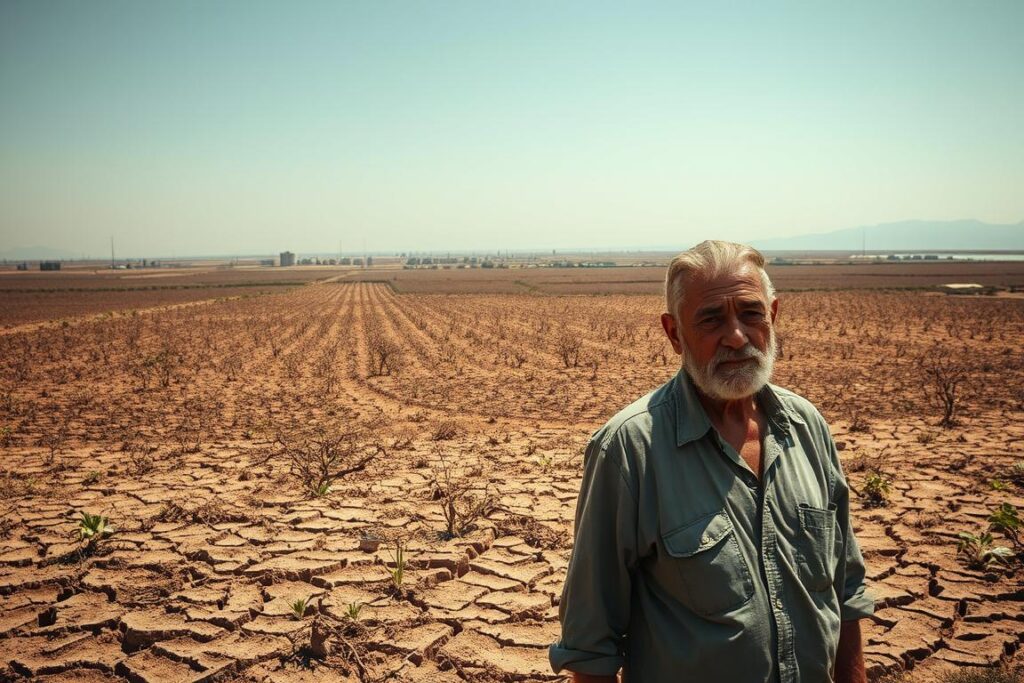
Pakistani farmers face severe financial challenges due to climate change. The effects of climate change on farming are not just environmental. They also have big economic impacts on farmers.
Increased Costs of Farming Inputs
The climate change has made farming more expensive. Farmers now spend more on irrigation because of unpredictable rain. They also use more pesticides and fertilizers to fight pests and diseases caused by climate change. And, they pay more for seeds because traditional ones don’t work as well anymore.
- Increased irrigation costs: Farmers must invest more in irrigation systems to deal with droughts and irregular rain.
- Higher expenditure on pesticides and fertilizers: The rise in temperature and changing rain patterns have led to more pests and diseases. This means farmers need to use more pesticides and fertilizers, which costs more.
- Cost of resilient seeds: Farmers are looking for seeds that can handle the changing climate. These seeds are often more expensive than the traditional ones.
Loss of Income and Livelihood
The financial burden on farmers gets worse because of lost income from crop failures and lower yields. Climate-related shocks can ruin a farmer’s life, leading to debt and poverty.
- Crop failures: Extreme weather like floods, droughts, and heatwaves can destroy crops. This leads to big financial losses.
- Reduced yields: Even if crops survive, they may not grow as much because of bad weather. This reduces farmers’ income.
The combination of these problems is a big threat to farmers’ financial stability in Pakistan. To solve these issues, we need a plan that includes farming practices that can handle the climate, financial help, and policies that protect farmers’ jobs.
Adaptation Strategies: Mitigating Economic Losses
Climate change is a big threat to Pakistan’s agriculture. It’s important to find ways to lessen its economic effects. The agricultural sector is key to Pakistan’s economy, so we need to use strong practices and policies.
Resilient Farming Techniques
Using resilient farming techniques is essential to face climate change challenges. Some effective methods include:
- Drip Irrigation: This method cuts down water waste and makes sure crops get the right moisture.
- Crop Diversification: Growing different crops helps farmers not rely on one crop. It also lowers the risk from climate changes.
- Conservation Agriculture: This method keeps the soil healthy by reducing disturbance, keeping it covered, and rotating crops.
Role of Government Policies
Government policies are key in helping farmers adapt. Good policies give farmers the tools and support they need to use resilient practices.
- Climate-Smart Agriculture Initiatives: Governments can help by offering training, resources, and financial support to farmers.
- Insurance Programs: Crop insurance can protect farmers from losses when extreme weather hits.
- Research and Development: Investing in research helps find and share farming practices that are resilient to climate change.
By using resilient farming and government support, Pakistan can reduce economic losses from climate change. This will help ensure a sustainable future for agriculture.
Case Studies: Climate Impact on Specific Crops
Pakistan’s farms face big challenges from climate change. This affects crops like wheat and rice. These crops are key for food and the economy.
Wheat: A Staple Under Threat
Wheat is very important in Pakistan. Climate changes hurt its growth. This hurts farmers and the economy.
- Yield Reduction: Studies show a 1°C rise can cut wheat yields by up to 6%.
- Changing Sowing Times: Farmers adjust sowing times. But, this can bring more pests and diseases.
Rice: Economic Significance and Challenges
Rice is also vital for Pakistan. It helps with food and exports. But, climate change makes growing rice hard.
- Water Scarcity: Warmer weather makes water harder to find for rice.
- Salinity Intrusion: Sea-level rise brings salt into rice fields in coastal areas. This lowers yields.
“The impact of climate change on rice production is a significant concern for Pakistan’s agricultural sector,” a study says.
Farmers and officials are looking into new ways to farm. They want to help the farming community.
The Role of Technology in Agricultural Resilience
Climate change is affecting farming, but technology is helping farmers stay strong. In Pakistan, farming is changing with new tech to fight climate change.
Innovative Solutions for Climate Adaptation
New tech is giving farmers the tools to handle changing weather. Some big changes include:
- Precision Farming: This uses smart irrigation and crop checks to help farmers make better choices, saving water and boosting crops.
- Climate-Resilient Crops: Scientists are creating crops that can handle harsh weather, keeping food safe despite climate risks.
- Mobile Applications: Apps give farmers updates on weather, farming tips, and market news.
Data-Driven Farming Practices
Data is changing farming by helping farmers manage their land better. With info on weather, soil, and crops, farmers can farm smarter. This leads to better crops and less loss from crop productivity decline.
Using data, farmers can:
- Get ready for bad weather
- Use water and fertilizers wisely
- Grow better crops
By using tech, Pakistan’s farms can better face climate change. This ensures a brighter future for farmers and everyone else.
Regional Disparities in Climate Effects
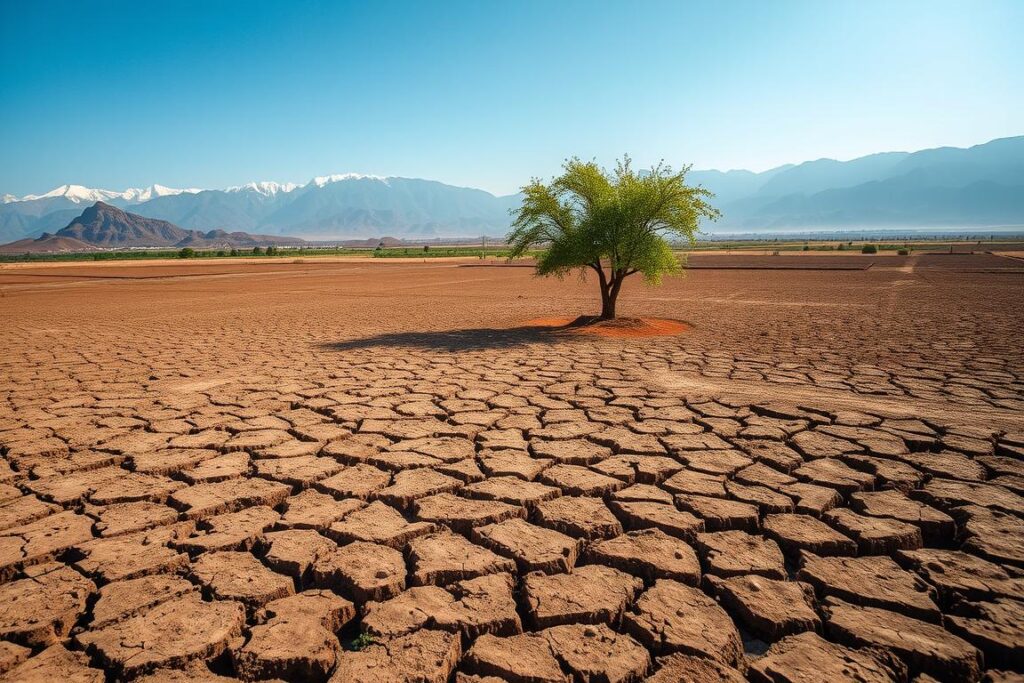
Climate change affects Pakistan differently in various parts of the country. This has big impacts on farming and people’s jobs. Pakistan’s diverse landscape means climate change hits each area in its own way.
Impacts on Southern vs. Northern Pakistan
The south, especially Sindh, faces big challenges from climate change. It deals with hotter temperatures and changes in rain patterns. This is bad news for farming, which is key to Pakistan’s economy.
On the other hand, the north, like Gilgit-Baltistan, has its own set of problems. It sees glaciers melting and faces more extreme weather. Because of these differences, each area needs its own plan to adapt.
Socioeconomic Factors
Socioeconomic factors greatly affect how different areas deal with climate change. Things like poverty, education, and the state of infrastructure vary a lot in Pakistan.
- Poverty: Poor areas struggle more with climate change because they can’t afford to adapt.
- Education: Knowing about climate change helps people prepare for it.
- Infrastructure: Good infrastructure can protect against extreme weather.
It’s key to understand these factors to make good policies. This way, we can help all parts of Pakistan deal with climate change.
Future Outlook: Preparing for Economic Challenges
Climate change is a big threat to Pakistan’s farms. It’s important to understand the future to find ways to fight its effects. Rising climate risks will likely make crops less productive, causing big economic losses.
Economic Implications and Sustainable Practices
Climate change will have long-term effects on Pakistan’s farms. To tackle these, we need to use sustainable farming methods. This means using farming techniques that can handle climate changes, using technology for better farming, and supporting policies that help adapt to climate.
Here are some steps we should take:
- Investing in climate-resilient agricultural infrastructure
- Promoting the use of climate-tolerant crop varieties
- Enhancing farmer education and training on adaptive farming practices
By taking these steps, Pakistan can lessen the economic damage from climate change. This will help farmers and the whole economy to be more sustainable in the future.