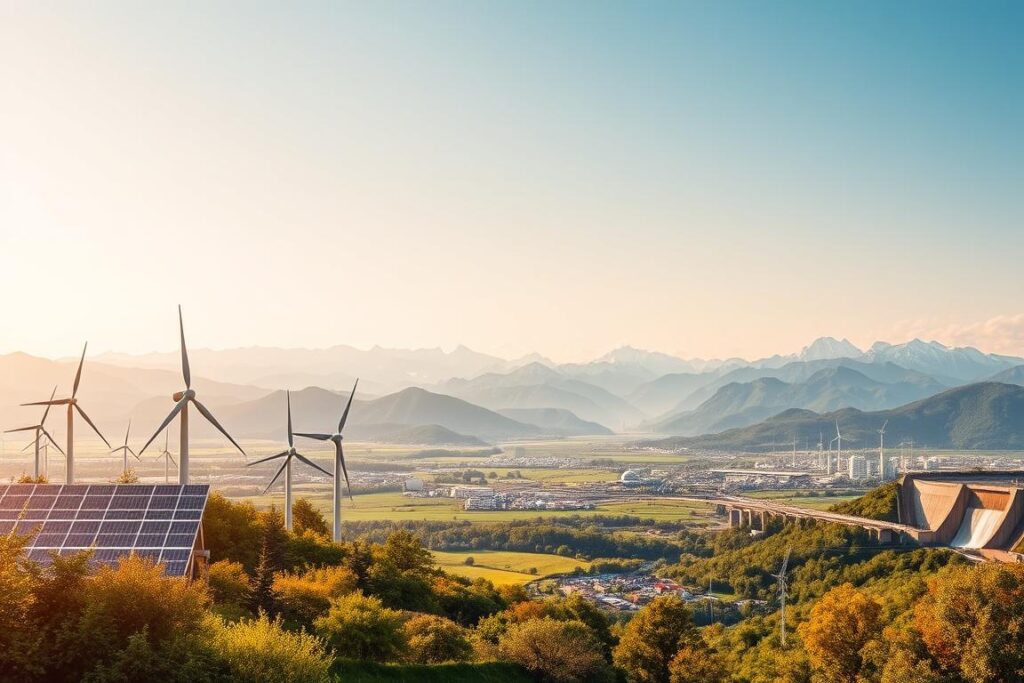
Understanding climate change is key today. It changes our weather, affects ecosystems, and impacts human societies.
The causes of climate change include human actions. These actions release gases like carbon dioxide and methane. These gases trap heat, causing global warming and other issues like rising sea levels and extreme weather.
This article will look at the effects of climate change and how to lessen them. By knowing the problem and its causes, we can all help. We can reduce our carbon footprint and use climate change mitigation strategies.
Key Takeaways
- Climate change is a pressing global issue.
- Human activities are primary causes of climate change.
- Rising greenhouse gas emissions lead to global warming.
- Climate change has severe effects on ecosystems and human societies.
- Mitigating climate change requires collective action and reduced carbon footprint.
What Is Climate Change? Causes, Effects, and Global Solutions
Climate change is a big problem facing our planet. It’s when the Earth gets warmer because of rising global temperatures.
Understanding the science behind climate change is key. We study the Earth’s climate system, including the atmosphere, oceans, land, and ice.
The Science Behind Climate Change
Many factors affect the Earth’s climate. Greenhouse gases like carbon dioxide and methane trap heat. Human actions, like burning fossil fuels and cutting down trees, have made these gases more common, causing global warming.
The greenhouse effect is natural and keeps us warm. But, human actions have made it stronger, leading to climate change.
The Difference Between Weather and Climate
It’s important to know the difference between weather and climate. Weather is short-term, like today’s weather. Climate is about long-term patterns.
| Characteristics | Weather | Climate |
|---|---|---|
| Time Scale | Short-term (hours, days) | Long-term (years, decades) |
| Conditions | Temperature, humidity, cloudiness | Average temperature, precipitation patterns |
| Variability | Can change rapidly | Changes gradually over time |
Fixing climate change needs many steps. We must cut down on greenhouse gases, use clean energy, and care for the land.
By knowing what causes and affects climate change, we can lessen its harm. We need to act together, both as individuals and globally.
Primary Causes of Climate Change
Climate change has two main causes: natural changes and human actions. Both are important to understand for fighting climate change.
Natural Causes of Climate Variation
Natural factors like Earth’s orbit changes, volcanic eruptions, and solar radiation shifts affect our climate. These have always been part of Earth’s climate history.
Volcanic eruptions, for example, can cool the planet by reflecting sunlight. But, these natural events are not the main reason for today’s climate change.
Human Activities Driving Climate Change
Human actions are a big part of climate change. This is mainly because of greenhouse gas emissions and deforestation.
Greenhouse Gas Emissions
Burning fossil fuels like coal, oil, and gas releases a lot of carbon dioxide (CO2) into the air. CO2 levels have gone up by about 40% since the Industrial Revolution, mainly because of fossil fuel use and land changes.
“The concentration of CO2 in the atmosphere has now reached levels not seen in at least 800,000 years,” according to the Intergovernmental Panel on Climate Change (IPCC).
Deforestation and Land Use Changes
Clearing forests for farming and cities not only releases carbon from trees but also makes forests less able to absorb carbon. Deforestation is thought to cause about 15% of global greenhouse gas emissions.
- Deforestation harms biodiversity and ecosystems.
- Changes in land use affect the carbon cycle and contribute to climate change.
It’s key to tackle these human activities to slow global warming. By cutting down greenhouse gas emissions and stopping deforestation, we can help slow down warming.
The Far-Reaching Effects of Climate Change
Climate change is affecting the Earth in many ways. It’s changing the natural world and impacting human communities. These changes are not just environmental; they also affect our social and economic lives.
Environmental Impacts
Climate change has many environmental impacts. Rising sea levels and extreme weather are big concerns. It’s also causing a loss of biodiversity and disrupting ecosystems.
Rising Sea Levels and Extreme Weather
Rising sea levels are causing erosion and flooding along coastlines. This threatens homes and habitats. Extreme weather, like hurricanes and droughts, is becoming more common and severe.
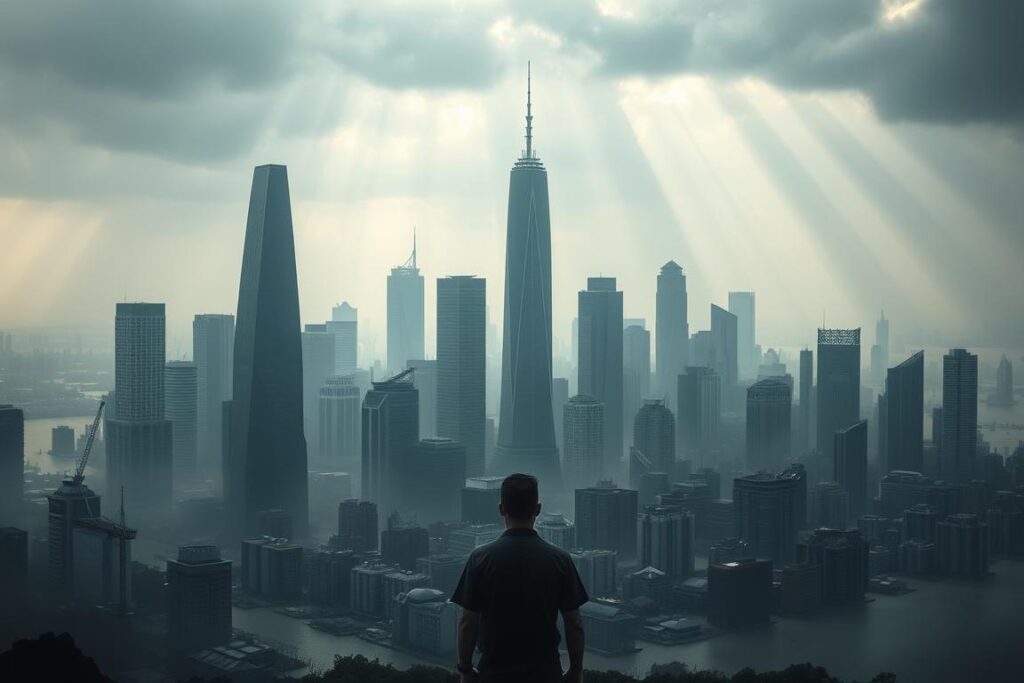
Climate change is leading to a loss of biodiversity. Species are struggling to adapt. This affects ecosystems and the people who depend on them for food, water, and more.
Social and Economic Consequences
Climate change also has social and economic impacts. It affects health and leads to migration, among other things.
Health Impacts
Climate change is causing more heat-related illnesses and the spread of diseases. Vulnerable populations are hit the hardest as temperatures rise.
Climate Migration and Security Risks
Climate change is driving people to migrate and displace. This poses big challenges for global security and stability. As resources dwindle and conditions worsen, the risk of conflict grows.
Climate Change in the United States
The United States is feeling the effects of climate change. From rising sea levels to extreme weather, the country is experiencing these impacts firsthand.
| Region | Climate Change Impacts | Projected Consequences |
|---|---|---|
| Northeast | Increased flooding, warmer winters | Damage to infrastructure, changes in seasonal industries |
| Southeast | Sea-level rise, more intense hurricanes | Coastal erosion, increased storm damage |
| West | Wildfires, drought | Loss of biodiversity, water scarcity |
Global Response to Climate Change
The world is coming together to fight climate change. Many agreements and policies aim to cut down carbon emissions. It’s clear we need to work as one to tackle this issue.
International Agreements and Policies
The Paris Agreement, signed in 2015, is a big step against climate change. It aims to keep global warming under 2 degrees Celsius. Countries must share their plans to cut down on greenhouse gases.
Key provisions of the Paris Agreement include:
- Global peaking of greenhouse gas emissions as soon as possible
- A balance between emissions and absorptions by sinks in the second half of this century
- Regular reporting and review of countries’ progress
The UNFCCC and the Green Climate Fund are also key. They help countries work together and support developing nations in their climate efforts.
Renewable Energy Transition
Switching to renewable energy is a big part of fighting climate change. Solar, wind, and hydroelectric power are becoming more important. Governments and companies are investing in these areas, making them cheaper and more available.
This change not only cuts down emissions but also brings economic benefits. It creates jobs and improves energy security. As technology gets better, renewable energy will become even more efficient and affordable.
How You Can Help Combat Climate Change
You have the power to make a difference in the fight against climate change. Every action you take matters. Together, we can create big changes.
Reducing Your Carbon Footprint at Home
Start by making small changes in your daily life. Use energy-saving appliances and turn off lights when not needed. Also, try to use less water. These small steps can greatly reduce your carbon footprint and help others do the same.
- Switch to LED bulbs, which are significantly more energy-efficient than traditional bulbs.
- Reduce, reuse, recycle to minimize waste.
- Use public transport, walk, or bike when possible.
Advocacy and Community Action
It’s not just about what you do at home. Supporting climate policies and joining community efforts is key. By supporting organizations focused on climate change, you can be a voice for change in your community.
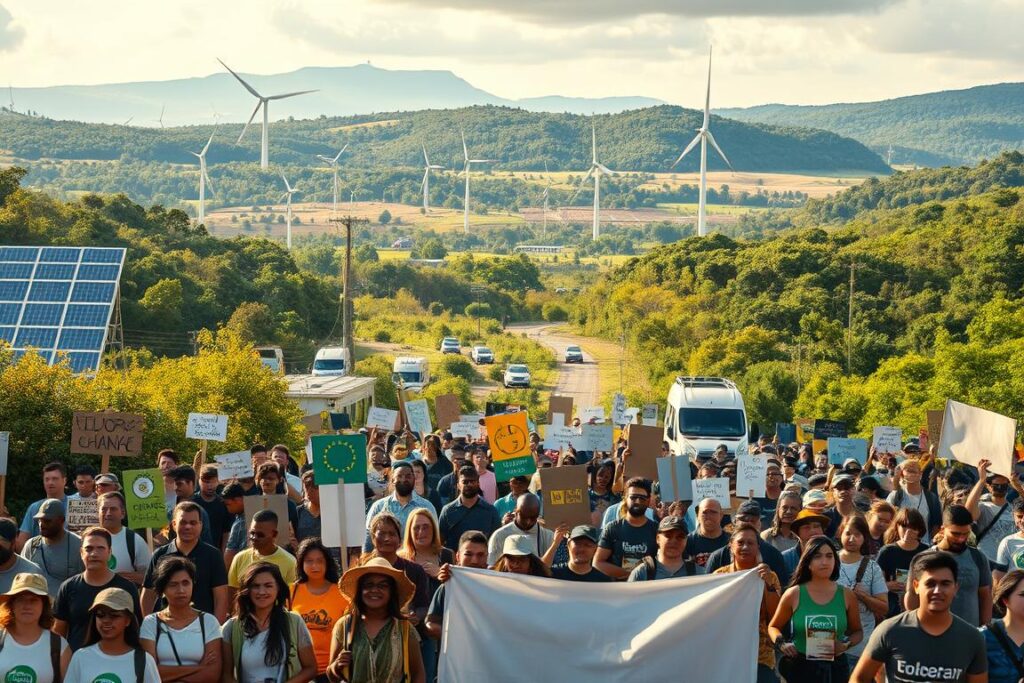
Get involved in local activism, like joining climate marches or community gardens. Also, teach your friends and family about climate change. This can start a chain reaction.
“Climate change is a global problem, but it can be solved locally through actions like reducing energy consumption, using renewable energy sources, and protecting natural habitats.”
Conclusion
Climate change is a big problem that needs our urgent attention and action. Human actions are making the Earth warmer, causing serious harm to our environment, society, and economy.
Switching to clean energy, cutting down on carbon emissions, and pushing for green policies are key steps. We all need to join hands to make these changes happen.
Every day, we can make a difference by choosing to use public transport, throw away less, and save energy. Supporting groups and laws that protect our planet also helps a lot.
In conclusion, fighting climate change requires us to work together. Knowing why and how climate change happens helps us find ways to solve it. Keeping learning, spreading the word, and getting involved in our communities are vital for real change.
FAQ
What is climate change?
What are the main causes of climate change?
What are the effects of climate change?
How can I reduce my carbon footprint at home?
What is the Paris Agreement?
How can I get involved in advocacy and community action against climate change?
What is renewable energy?
Why is biodiversity important in the context of climate change?
Read Related Articles below