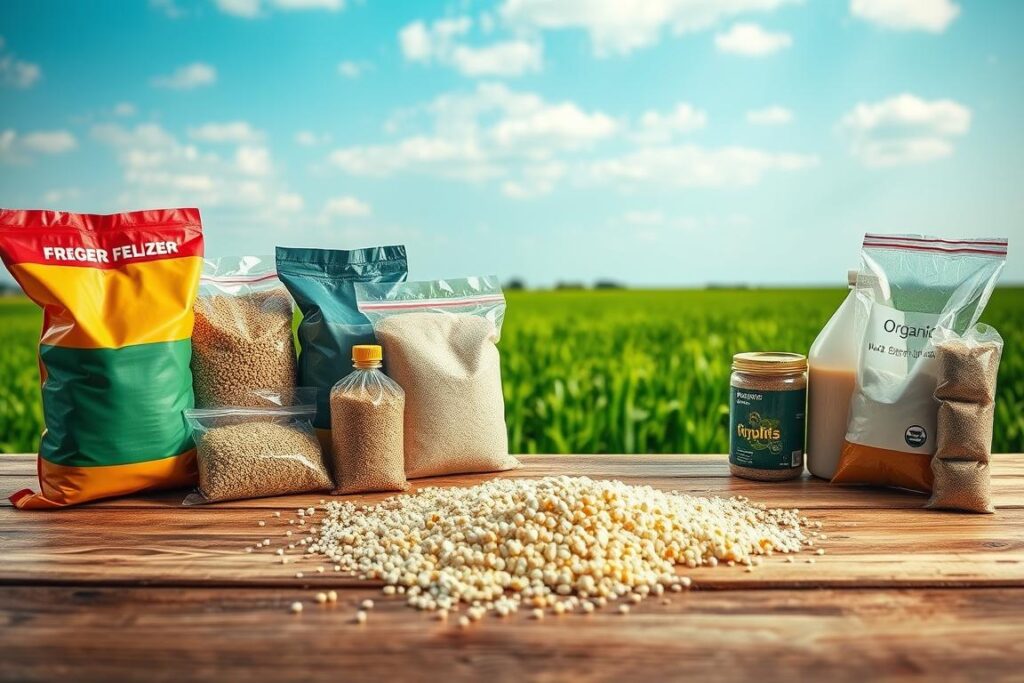
In Pakistan, agriculture is a significant sector, contributing substantially to the country’s economy. However, the sector faces challenges such as soil degradation and decreased fertility, which can be mitigated by the use of appropriate fertilizers.
The right fertilizers can significantly enhance crop yields and improve the overall quality of produce. With numerous options available, understanding the most effective fertilizers is crucial for farmers to make informed decisions.
As the global demand for food continues to rise, the importance of agriculture and effective farming practices cannot be overstated. In Pakistan, where farming is a vital part of the economy, the use of suitable fertilizers can play a critical role in meeting this demand.
Key Takeaways
- Understanding the role of fertilizers in modern agriculture.
- Identifying the most effective fertilizers for farming in Pakistan.
- Recognizing the impact of fertilizers on crop yields and quality.
- The significance of agriculture in Pakistan’s economy.
- How informed decisions on fertilizers can benefit farmers.
The Critical Role of Fertilizers in Modern Agriculture
Modern agriculture relies heavily on fertilizers to boost crop yields, improve quality, and ensure food security. Fertilizers provide essential nutrients that crops need to grow, develop, and thrive. Without these nutrients, crop production would be significantly hampered, leading to reduced yields and lower quality produce.
Why Fertilizers Are Essential for Crop Production
Fertilizers are crucial for crop production as they supply the necessary nutrients for plant growth. These nutrients include macronutrients like nitrogen, phosphorus, and potassium, as well as micronutrients such as zinc and boron. The right balance of these nutrients is key to healthy plant development. For instance, nitrogen is vital for leaf growth, phosphorus supports root development, and potassium helps with overall plant health.
The Impact of Proper Fertilization on Yield and Quality
Proper fertilization not only enhances crop yields but also improves the quality of the produce. A well-fertilized crop is more likely to be disease-resistant and have better nutritional content. For example, adequate potassium levels can improve the quality of fruits and vegetables, making them more marketable. Moreover, balanced fertilization can lead to increased water retention in soils, reducing the need for frequent watering.
- Increased crop yields due to adequate nutrient supply
- Improved crop quality through balanced fertilization
- Enhanced disease resistance in well-nourished crops
Fertilizer Usage in Pakistani Agriculture
In Pakistan, fertilizers play a vital role in agriculture, contributing significantly to the country’s crop production. The most commonly used fertilizers include urea, diammonium phosphate (DAP), and potassium chloride. Pakistani farmers have seen substantial improvements in crop yields by adopting balanced fertilization practices. However, there is a need for more awareness about the optimal use of fertilizers to avoid over-fertilization, which can have negative environmental impacts.
By understanding the critical role of fertilizers and using them judiciously, Pakistani farmers can continue to improve their crop yields and contribute to the country’s food security.
Understanding Fertilizer Basics
Understanding the fundamentals of fertilizers is crucial for farmers to optimize crop yields and quality. Fertilizers provide essential nutrients that crops need to grow and thrive.
Macronutrients vs. Micronutrients
Fertilizers contain both macronutrients and micronutrients. Macronutrients, such as nitrogen, phosphorus, and potassium, are required in larger quantities, while micronutrients like zinc, boron, and iron are needed in smaller amounts but are equally vital for plant health.
NPK Ratios Explained
The NPK ratio refers to the percentage of nitrogen (N), phosphorus (P), and potassium (K) in a fertilizer. For example, a fertilizer with an NPK ratio of 10-10-10 contains 10% of each of these nutrients. Understanding NPK ratios helps farmers choose the right fertilizer for their crops.
Organic vs. Inorganic Fertilizers
Fertilizers can be classified as either organic or inorganic. Organic fertilizers are derived from natural sources like animal manure or compost, while inorganic fertilizers are synthetically manufactured. Both types have their advantages and are used based on specific agricultural needs.
Reading Fertilizer Labels
Being able to read fertilizer labels is crucial for making informed decisions. Labels provide information on the NPK ratio, application rates, and safety precautions. Farmers should always check these details to ensure they’re using the fertilizer correctly.
By understanding these fertilizer basics, farmers can make more informed decisions about their fertilizer choices, ultimately leading to improved crop yields and quality.
Urea: The Nitrogen Powerhouse
Nitrogen is a vital nutrient for plant growth, and urea is one of the most widely used nitrogenous fertilizers globally. Urea’s high nitrogen content makes it an effective and efficient way to promote healthy crop development.
Composition and Benefits
Urea is composed of 46% nitrogen by weight, making it one of the most concentrated nitrogenous fertilizers available. Its high nitrogen content allows for efficient application and reduced transportation costs. Urea is also versatile and can be applied to a wide range of crops, including cereals, pulses, and oilseeds.
Best Crops for Urea Application in Pakistan
In Pakistan, urea is particularly beneficial for crops like wheat, rice, and sugarcane. These crops are nitrogen-hungry and respond well to urea application. Proper urea application can significantly improve crop yields and quality.
Application Methods and Timing
The effectiveness of urea depends on proper application methods and timing. Urea can be applied through broadcasting, band placement, or fertigation. The optimal timing varies by crop, but generally, urea is applied during the crop’s growth stage when nitrogen demand is highest.
Potential Issues and Solutions
While urea is highly effective, it can be susceptible to volatilization losses if not managed properly. To mitigate this, farmers can use urease inhibitors or incorporate urea into the soil. Additionally, careful timing and application rates can help minimize environmental impacts.
By understanding the composition, benefits, and proper application of urea, farmers in Pakistan can maximize their crop yields and contribute to food security.
Diammonium Phosphate (DAP): Foundation for Root Development
DAP, or Diammonium Phosphate, is a key player in agricultural fertilization, offering significant benefits for root growth and overall plant health. As a fertilizer, DAP is rich in nitrogen and phosphorus, two essential nutrients for plant development.
Composition and Key Benefits
Diammonium Phosphate (DAP) is composed of nitrogen and phosphorus, with a typical N-P-K ratio of 18-46-0. This composition makes it an excellent source of these critical nutrients. The key benefits of using DAP include promoting root development, enhancing crop yield, and improving plant nutrition.
Ideal Crops and Soil Conditions
DAP is particularly beneficial for crops that require high levels of phosphorus, such as legumes and cereals. It is most effective in soils that are low in phosphorus or have a high pH level. Soil testing is recommended to determine the phosphorus content and pH level before applying DAP.
Application Techniques for Pakistani Farms
In Pakistan, DAP can be applied using various methods, including broadcasting and band placement. The choice of method depends on the crop, soil type, and available equipment. For most crops, applying DAP at planting time is recommended to ensure adequate phosphorus availability during the early growth stages.
Cost Considerations and Alternatives
While DAP is an effective fertilizer, its cost can be a consideration for many farmers. Alternatives such as Single Superphosphate (SSP) or other phosphorus-rich fertilizers may be considered based on soil requirements and crop needs. Farmers should consult with agricultural experts to determine the most cost-effective and suitable fertilizer options for their specific conditions.
Potassium Chloride (Muriate of Potash): Strengthening Crop Resilience
Potassium chloride, commonly known as muriate of potash, is a crucial fertilizer for enhancing crop resilience in Pakistani agriculture. It provides potassium, an essential macronutrient that plays a vital role in plant health and development.
Composition and Primary Benefits
Potassium chloride is composed of potassium (K) and chlorine (Cl). The potassium in this fertilizer is crucial for various plant functions, including water regulation, nutrient transport, and enzyme activation. The primary benefits of using potassium chloride include improved crop quality, enhanced resistance to disease and drought, and better overall plant health.
Best Uses in Pakistani Agriculture
In Pakistani agriculture, potassium chloride is particularly beneficial for crops like cotton, sugarcane, and wheat. These crops have high potassium demands, and the use of potassium chloride can significantly improve their yields and quality.
Application Guidelines
The application of potassium chloride should be based on soil test results to determine the exact potassium needs of the soil. Generally, it is applied before planting or during the early growth stages of crops. The rate of application varies depending on the crop, soil type, and existing potassium levels.
Combining with Other Fertilizers
Potassium chloride can be effectively combined with other fertilizers like urea and diammonium phosphate (DAP) to provide a balanced nutrient supply to crops. A common practice is to use it in conjunction with nitrogen and phosphorus fertilizers to achieve a balanced NPK ratio.
| Crop | Recommended Application Rate (kg/acre) | Timing |
|---|---|---|
| Cotton | 20-25 | At sowing |
| Sugarcane | 30-35 | During early growth stage |
| Wheat | 15-20 | At sowing |
Calcium Ammonium Nitrate (CAN): Balanced Nutrition for Various Crops
In the realm of modern agriculture, Calcium Ammonium Nitrate (CAN) stands out as a reliable source of essential nutrients for a wide range of crops. This fertilizer has gained significant attention due to its balanced nutrient profile, making it an ideal choice for farmers seeking to enhance crop yields and quality.
Nutritional Benefits and Composition
CAN is a compound fertilizer containing nitrogen and calcium, two critical nutrients for plant growth. The nitrogen component promotes leaf development and overall growth, while calcium is essential for cell wall formation and root development. The balanced composition of CAN ensures that crops receive a steady supply of these vital nutrients, leading to improved crop health and productivity.
Ideal Crops and Soil Conditions
CAN is suitable for a variety of crops, including cereals, vegetables, and fruits. It performs particularly well in soils that are deficient in calcium or have a low pH level. The calcium content in CAN helps to neutralize soil acidity, creating a more favorable environment for root growth and nutrient uptake.
| Crop | Soil Type | Benefit of CAN |
|---|---|---|
| Wheat | Clay Loam | Improved root development |
| Tomatoes | Sandy Loam | Enhanced fruit quality |
| Maize | Silt Loam | Increased nitrogen uptake |
Application Methods for Maximum Efficiency
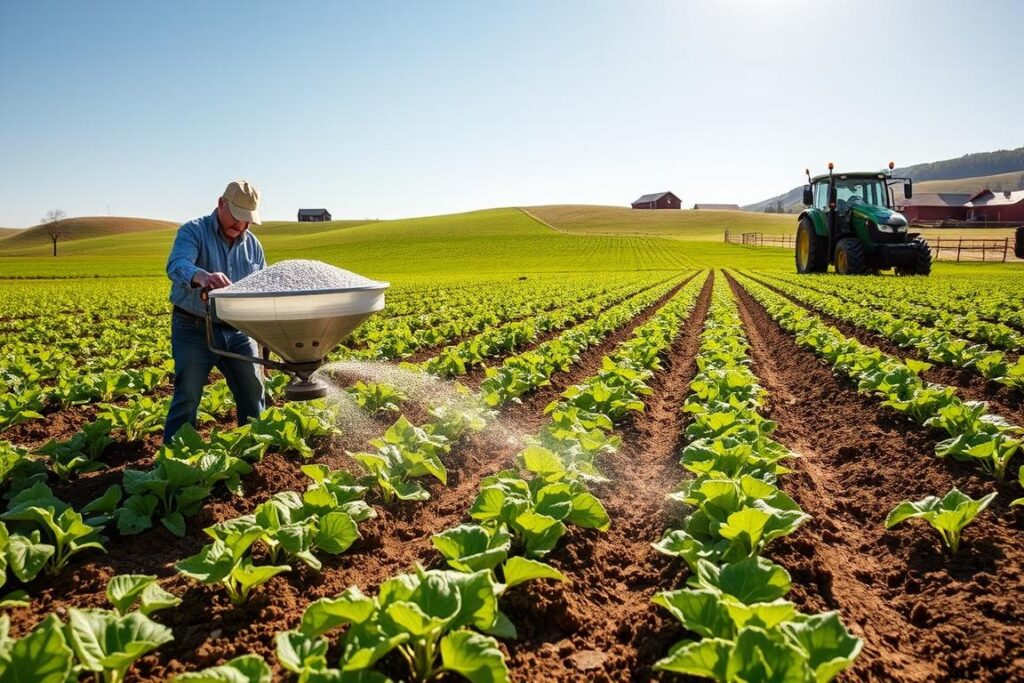
For optimal results, CAN should be applied according to the specific needs of the crop and soil conditions. It can be broadcast or banded, depending on the farming practice. Timing is crucial; application during the growing season can significantly boost crop performance.
Availability and Cost in Pakistan
CAN is widely available in Pakistan through various agricultural supply chains. The cost can vary based on the region, supplier, and quantity purchased. Generally, it is considered a cost-effective option due to its dual nutrient benefits.
In conclusion, Calcium Ammonium Nitrate (CAN) is a valuable fertilizer for Pakistani farmers, offering balanced nutrition that can enhance crop yields and quality. By understanding its composition, suitable applications, and cost considerations, farmers can make informed decisions to improve their agricultural practices.
Top 7 Fertilizers Every Farmer Should Know About: Organic Options
In the quest for sustainable agriculture, organic fertilizers play a crucial role in maintaining soil health. Pakistani farmers are increasingly turning to these natural options to enhance crop productivity while minimizing environmental impact.
Farmyard Manure: Composition and Benefits
Farmyard manure is a rich source of nutrients for crops, improving soil structure and fertility. It contains nitrogen, phosphorus, and potassium, along with micronutrients essential for plant growth. The use of farmyard manure also enhances soil’s water-holding capacity, reducing the need for frequent irrigation.
Key benefits of farmyard manure include:
- Increased soil organic matter
- Improved soil structure
- Enhanced nutrient availability
Compost: Preparation and Application
Compost is another valuable organic fertilizer, made by decomposing organic materials such as crop residues, kitchen waste, and animal manure. The composting process involves microbial decomposition, which breaks down complex organic materials into simpler, nutrient-rich compounds.
To prepare compost, farmers can follow these steps:
- Collect organic materials
- Create a compost pile with a mix of ‘green’ and ‘brown’ materials
- Maintain moisture and aeration
- Monitor temperature and turn the pile regularly
Green Manure: Sustainable Soil Enrichment
Green manure involves growing specific crops, such as legumes, and then incorporating them into the soil while they are still green. This practice enhances soil fertility by adding organic matter and nutrients, particularly nitrogen.
The benefits of green manure include:
- Nitrogen fixation
- Improved soil structure
- Increased biodiversity
Integrating Organic Fertilizers with Chemical Options
While organic fertilizers offer numerous benefits, they can be integrated with chemical fertilizers to create a balanced fertilization strategy. This approach allows farmers to optimize nutrient availability for their crops, improving yields while maintaining soil health.
A balanced fertilization plan might include:
| Fertilizer Type | Benefits | Application |
|---|---|---|
| Organic (Farmyard Manure) | Improves soil structure, slow release of nutrients | Before planting |
| Chemical (NPK) | Quick nutrient availability, precise nutrient content | During crop growth stage |
Micronutrient Fertilizers: The Often Overlooked Essentials
While often overlooked, micronutrient fertilizers are essential for optimal crop production in Pakistan. Micronutrients, though required in smaller quantities compared to macronutrients, play a critical role in plant growth and development. They are involved in various physiological processes, including enzyme activation, photosynthesis, and nutrient uptake. Ensuring adequate micronutrient supply can significantly enhance crop yields and quality.
Zinc, Boron, and Iron for Pakistani Crops
Zinc, boron, and iron are among the most critical micronutrients for crops grown in Pakistan. Zinc is essential for enzyme function and protein synthesis, while boron plays a key role in cell wall formation and maintenance. Iron is crucial for chlorophyll production and electron transport. Deficiencies in these micronutrients can lead to reduced crop yields and poor plant health.
Signs of Micronutrient Deficiencies
Identifying micronutrient deficiencies early is crucial for effective management. Common signs include:
- Yellowing or chlorosis of leaves (often due to iron deficiency)
- Stunted growth or distorted leaves (zinc deficiency)
- Brittle or hollow stems (boron deficiency)
Regular monitoring and soil testing can help detect these deficiencies before they become severe.
Application Methods and Timing
The effectiveness of micronutrient fertilizers depends on proper application methods and timing. Foliar application is often used for quick correction of deficiencies, while soil application provides longer-term benefits. The timing of application varies depending on the crop and micronutrient. For example, zinc application is often recommended at the time of sowing, while boron can be applied during the flowering stage.
Cost-Effective Micronutrient Management
Managing micronutrient deficiencies can be cost-effective with the right strategies. Using a balanced fertilizer that includes micronutrients can prevent deficiencies. Additionally, practices like crop rotation and organic matter incorporation can enhance micronutrient availability in the soil. The table below summarizes the cost-effectiveness of different micronutrient management strategies.
| Strategy | Cost | Effectiveness |
|---|---|---|
| Balanced Fertilizer Use | Moderate | High |
| Foliar Application | High | Immediate |
| Crop Rotation | Low | Long-term |
| Organic Matter Incorporation | Low | Long-term |
Conclusion: Making Smart Fertilizer Choices for Your Farm
Making informed decisions about fertilizers is crucial for enhancing farm productivity in Pakistan’s agricultural sector. By understanding the different types of fertilizers, such as Urea, Diammonium Phosphate (DAP), and Potassium Chloride, farmers can optimize their crop yields and improve overall agriculture practices.
Smart fertilizer choices involve considering factors like soil type, crop requirements, and nutrient balance. Organic options like farmyard manure and compost can be integrated with chemical fertilizers to create a sustainable and efficient fertilization strategy.
By applying the knowledge gained from this article, farmers can improve their agricultural practices, leading to increased farm productivity and better crop quality. Effective fertilizer application is key to achieving these goals and contributing to the growth of Pakistan’s agriculture sector.