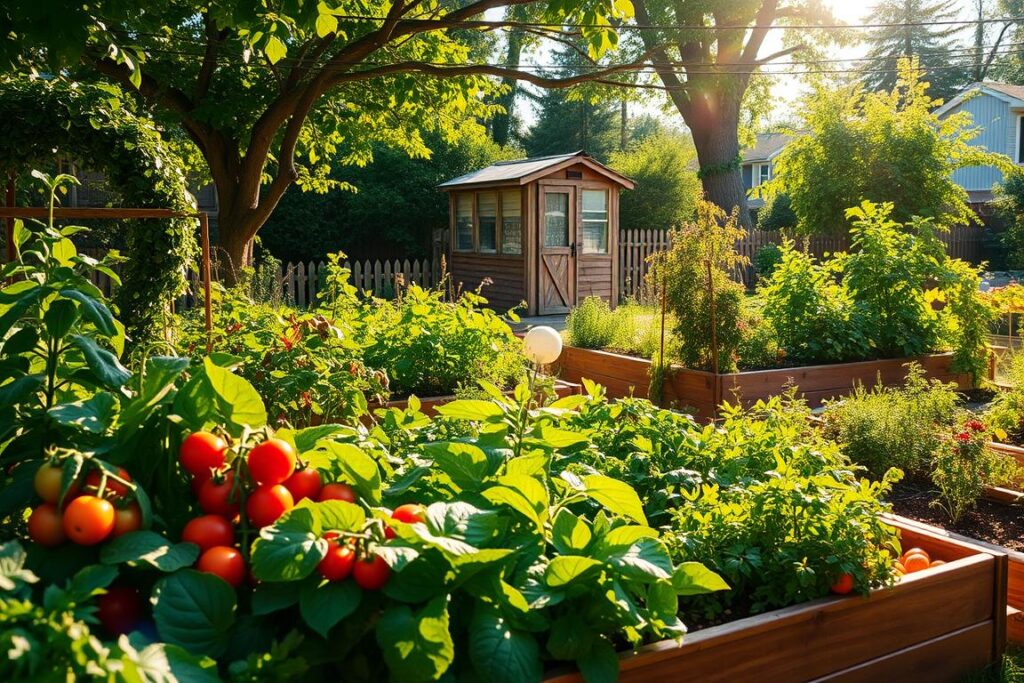
Growing your own vegetables is rewarding. It gives you fresh produce right at home. In Pakistan, the climate is great for gardening. Starting a home vegetable garden ensures a steady supply of fresh veggies.
A small backyard or balcony can become a vegetable garden. With the right tips, you can enjoy a lot of harvest. You don’t need a big plot of land for this.
Key Takeaways
- Learn how to start a thriving vegetable garden at home.
- Discover the best tips for home vegetable gardening in Pakistan.
- Understand the benefits of growing your own vegetables.
- Explore different methods for vegetable farming, including kitchen gardening and container farming.
- Get started with a simple and rewarding gardening experience.
Getting Started with Home Vegetable Farming in Pakistan
Starting a home vegetable garden in Pakistan can be very rewarding. It lets you have fresh produce right in your backyard. It’s important to know the benefits, climate, and space you need.
Benefits of Growing Your Own Vegetables
Growing your own veggies has many benefits. You get fresh, nutritious produce and can save money on grocery bills. Gardening also helps your mental health and keeps you physically active.
Understanding Pakistan’s Climate Zones
Pakistan’s climate changes a lot from north to south. Knowing these zones helps pick the right veggies and plan your garden.
Northern Region Considerations
The northern areas have cold winters and a short growing season. Choose veggies that can handle frost and cooler weather.
Southern Region Considerations
The south has hot summers and a longer growing season. Pick veggies that can handle heat and possible droughts.
Assessing Your Available Space
Before starting, check how much space you have. Think about using container farming or kitchen gardening if space is limited. These methods use space well and fit many places.
By knowing these things, you can make a great home vegetable garden in Pakistan. Enjoy the fresh, home-grown produce it brings.
Essential Tools and Materials for Kitchen Gardening
Starting your kitchen gardening journey needs the right tools and materials. As a beginner, knowing what you need for home vegetable farming is key.
Basic Gardening Tools for Beginners
Beginners need basic gardening tools. You’ll need a trowel for digging and transplanting, a rake for soil prep, and a watering can or hose for watering. A good quality trowel and rake can make a big difference in your gardening.
Containers and Pots
Containers and pots are crucial for kitchen gardening, especially in urban areas where space is tight. Choose containers that fit your space and style. Make sure they have drainage holes to avoid waterlogged soil.
Quality Soil and Amendments
Quality soil and amendments are vital for healthy plant growth. You can make a nutrient-rich potting mix using local materials.
Locally Available Options in Pakistan
In Pakistan, you can find many local options for soil and amendments. Compost, leaf mold, and well-rotted manure are great choices. As one gardening expert says,
“Using local materials for soil amendments not only cuts costs but also supports sustainable gardening practices.”
Complete Guide: Vegetable Farming at Home – Planning Your Garden
A well-planned garden is key to a successful vegetable farm at home. Planning involves several important steps. These steps help you grow a variety of vegetables well.
Selecting the Right Location
Choosing the right spot for your garden is crucial. It affects your plants’ health and productivity.
Sunlight Requirements
Most vegetables need at least 6 hours of direct sunlight daily. Make sure your garden gets enough sunlight.
Protection from Elements
Keep your garden safe from harsh winds, extreme temperatures, and too much rain. Use natural or artificial barriers to protect it.
Creating a Seasonal Planting Calendar
A seasonal planting calendar helps you know what to plant and when. It ensures you use each growing season well.
| Season | Vegetables to Plant |
|---|---|
| Spring | Tomatoes, Peppers, Cucumbers |
| Summer | Okra, Eggplant, Squash |
| Winter | Spinach, Kale, Carrots |
Designing Your Garden Layout
Designing your garden layout efficiently uses space well. Think about companion planting and crop rotation.
By following these planning tips, you can create a thriving vegetable garden at home. Happy gardening!
Container Farming: Perfect Solution for Limited Spaces
Container farming is great for those with little space. It lets you grow many vegetables in containers. This is perfect for city homes and small areas.
Types of Containers for Different Vegetables
It’s important to pick the right container for your garden. Each vegetable needs a different kind of container.
- Tomatoes and peppers need big containers with good drainage.
- Leafy greens like lettuce and spinach do well in shallower containers.
- Herbs such as basil and cilantro prefer smaller pots.
Recycled Container Options
Using recycled containers is good for the planet and saves money. You can use old plastic bottles, wooden crates, or even tires as planters.
Traditional Pots and Modern Alternatives
People often choose clay pots or plastic containers. But, modern options like self-watering containers and fabric pots offer better drainage and air.
Drainage and Spacing Requirements
Good drainage is key to avoid waterlogged soil. Make sure your containers have holes for drainage. Also, keep enough space between containers to prevent overcrowding and promote healthy growth.
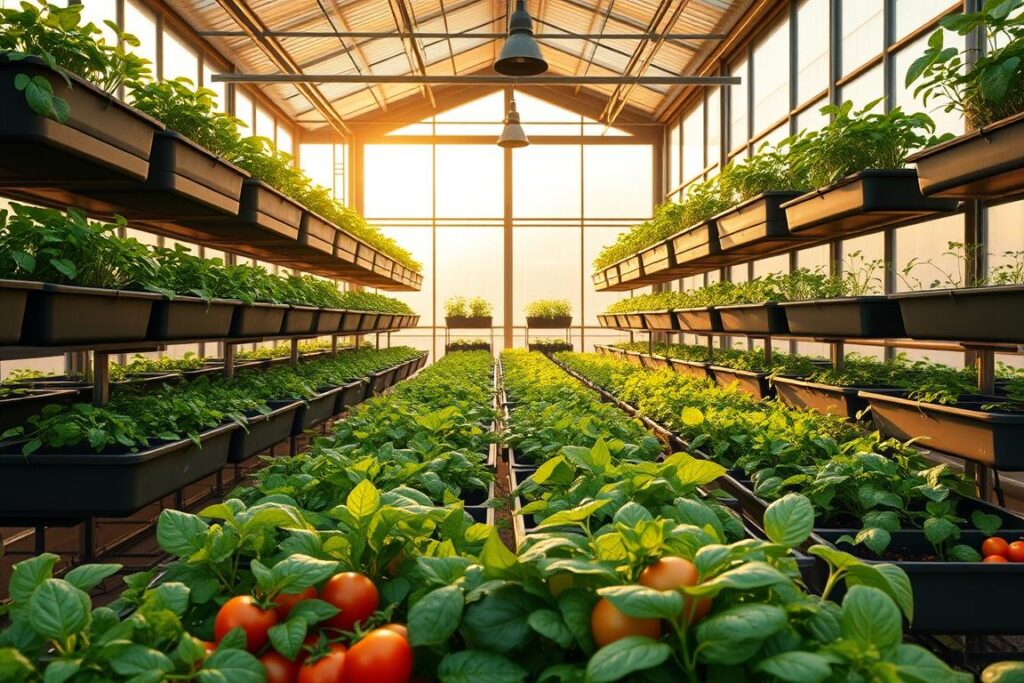
Vertical Container Systems for Urban Homes
Vertical container systems are great for small urban spaces. They let you grow many plants in a small area, making the most of your space.
Benefits of Vertical Container Systems:
- Maximizes space
- Increases yield
- Enhances aesthetic appeal
Balcony and Rooftop Container Gardens
You can turn balconies and rooftops into gardens with containers. Make sure your containers are light and securely placed to handle wind and weather.
Tips for balcony and rooftop gardens:
- Choose wind-resistant containers
- Use a well-draining potting mix
- Regularly inspect your plants for signs of stress
Soil Preparation and Management
To grow a thriving vegetable garden at home, understanding and managing your soil is key. Soil preparation is a critical step that determines the health and productivity of your plants.
Understanding Soil Types in Pakistan
Pakistan’s diverse climate means that soil types vary significantly across different regions. Generally, soils can be categorized into sandy, clay, and loamy types. Loamy soil, with its balanced composition, is ideal for most vegetables.
Creating Nutrient-Rich Potting Mix
A well-balanced potting mix is crucial for container gardening. To create a nutrient-rich mix, combine local soil with compost and other organic amendments. A typical mix could include:
- 50% Local Soil
- 20% Compost
- 10% Leaf Mold
- 10% Perlite or Sand
- 10% Other Organic Matter (like well-rotted manure)
| Component | Proportion | Benefit |
|---|---|---|
| Local Soil | 50% | Provides basic structure |
| Compost | 20% | Rich in nutrients |
| Leaf Mold | 10% | Improves soil structure and retains moisture |
Composting Basics for Home Gardeners
Composting is a natural process that converts organic waste into a valuable resource for your garden. It’s an effective way to recycle kitchen waste and garden clippings.
Kitchen Waste Composting
Kitchen waste composting involves turning your kitchen scraps into compost.
“Composting is a simple, effective way to reduce waste and create a nutrient-rich soil amendment.”
Include a mix of ‘green’ (food scraps, tea bags) and ‘brown’ (dry leaves, straw) materials to maintain a healthy compost pile.
By following these soil preparation and management tips, home gardeners in Pakistan can significantly improve their vegetable yields and contribute to a more sustainable gardening practice.
Best Vegetables to Grow in Pakistani Home Gardens
Choosing the right vegetables is key to a successful home garden in Pakistan. The country’s climate varies from tropical to temperate. This allows gardeners to grow many vegetables all year round.
Summer Vegetables (Garmi Sabzian)
Summer is perfect for growing vegetables that love the heat. Some top picks are:
- Okra: It’s heat-tolerant and full of nutrients.
- Chilies: They add flavor and are packed with vitamins.
- Tomatoes: A summer hit, rich in lycopene and vitamins.
Easy Vegetables for Beginners
Beginners should start with easy vegetables. Good choices are:
- Radishes: They grow fast and need little care.
- Cucumbers: Versatile and can grow on trellises or in pots.
Winter Vegetables (Sardi Sabzian)
Winter brings out the best in certain vegetables. Favorites include:
- Spinach: Nutrient-rich and can grow in containers or directly in the ground.
- Carrots: Thrive in Pakistan’s cool winter weather.
- Lettuce and other greens: Quick to grow and ready in 20 days.
Year-Round Herbs and Greens
Some vegetables and herbs can be grown all year. They provide a steady supply of fresh produce. These include:
- Cilantro: Fast-growing and used in many Pakistani dishes.
- Green onions: Can grow indoors or outdoors and enhance many recipes.
Indigenous Varieties and Their Benefits
Indigenous vegetables often resist local pests and diseases. They’re a smart choice for gardeners. Examples are local okra and chilies, grown for generations.
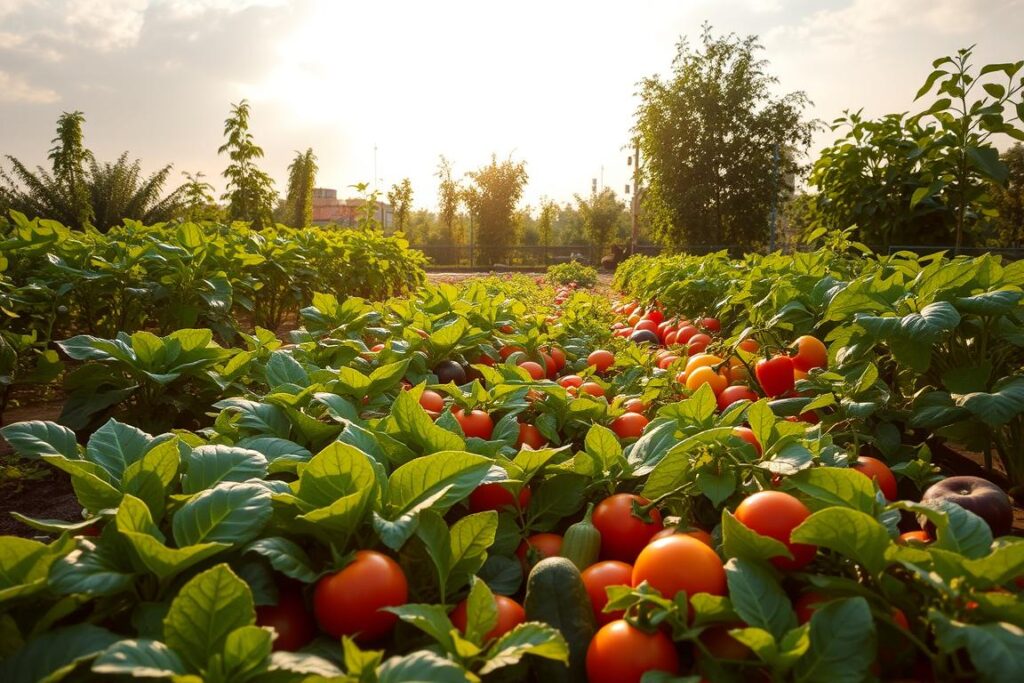
By picking the right vegetables for the season and using local varieties, Pakistani gardeners can enjoy a rich harvest all year.
Planting and Growing Techniques for Beginners
If you’re new to growing vegetables at home, learning the basics is key. These techniques help your garden thrive, making sure your veggies grow well.
Direct Seeding vs. Transplanting
When starting your garden, you’ll decide between direct seeding and transplanting. Direct seeding works well for beans and radishes. They don’t do well when moved. On the other hand, transplanting is best for tomatoes and peppers. They can start indoors and then move outside when it’s warmer.
Proper Spacing and Depth Guidelines
It’s important to space plants correctly to avoid overcrowding. This can cause diseases and attract pests. Each vegetable needs its own space. Leafy greens can be close together, but eggplants and okra need more room. When planting seeds, remember to plant them two to three times deeper than their width.
Companion Planting Strategies
Companion planting involves growing different plants together. This can improve growth, flavor, or help fight pests. For example, marigolds can keep nematodes away, and basil can make tomatoes taste better.
Traditional Pakistani Companion Planting
In Pakistan, farmers use companion planting to get the most from their gardens. They plant neem with vegetables to keep pests away. Learning from these traditional methods can help modern gardeners too.
| Vegetable | Companion Plant | Benefit |
|---|---|---|
| Tomatoes | Basil | Improved flavor, repels pests |
| Cucumbers | Dill | Repels aphids and other pests |
| Carrots | Sage | Repels carrot flies |
Water Management and Irrigation Methods
Effective water management is key for home vegetable farming in Pakistan. Using the right irrigation techniques ensures plants get the right water at the right time. This is important because Pakistan’s climate changes a lot.
Watering Requirements by Season
Pakistan’s climate changes a lot with the seasons. This affects how much water plants need. Knowing these changes helps plan when to water.
Monsoon Adaptations
During the monsoon, heavy rain can make the soil too wet. It’s important to make sure water drains well to avoid root rot. As Mahatma Gandhi said,
“The earth has enough for everyone’s need, but not enough for everyone’s greed.”
This quote shows how important it is to save water.
Dry Season Strategies
In dry seasons, plants need more water. Using mulch helps keep the soil moist. This means you don’t have to water as often.
Efficient Irrigation Techniques
Using drip irrigation is a good method. It delivers water right to the roots, cutting down on evaporation and runoff. Other good methods include:
- Soaker hoses
- Ollas (clay pot irrigation)
| Irrigation Method | Water Efficiency | Cost |
|---|---|---|
| Drip Irrigation | High | Moderate |
| Soaker Hoses | Medium | Low |
| Ollas | High | Low |
Water Conservation Tips
Collecting rainwater is a great way to save water. Using soil that holds moisture well is also helpful. For example, adding compost can make the soil better at holding water.
Natural Pest Control and Disease Management
Pakistan’s climate can lead to garden pests. Home gardeners need natural pest control. It’s key to keep a garden healthy and productive.
Common Garden Pests in Pakistan
In Pakistan, gardeners face pests like aphids, whiteflies, and fruit flies. These pests can harm crops. Knowing the pests and their life cycles helps control them.
Homemade Organic Pesticides
Making your own organic pesticides is good for the environment. It’s also effective. Here are two methods:
Neem-Based Solutions
Neem oil comes from neem seeds. It fights many pests, like aphids and whiteflies.
Other Local Remedies
Garlic or chili pepper sprays are also useful. Mix garlic or chili peppers with water, then strain. This creates a spray for your plants.
| Pest | Organic Control Method | Effectiveness |
|---|---|---|
| Aphids | Neem Oil Spray | High |
| Whiteflies | Garlic Spray | Medium |
| Fruit Flies | Chili Pepper Spray | High |
Preventative Measures for Beginners
Prevention is crucial for pest and disease management. Practices like crop rotation and garden hygiene are important.
Using these natural methods, gardeners in Pakistan can protect their crops. They can enjoy a full harvest.
Conclusion
By following this guide, you now know how to start and keep a thriving vegetable garden in Pakistan. We’ve covered key tips, from understanding your climate to choosing the right containers. This will help you get a great harvest.
With a good garden plan, the right soil, and smart water use, you can grow fresh veggies at home. You don’t need a big backyard to start. Even a small balcony can be used for container farming.
As you start your gardening journey, keep an eye on your plants’ health. Use natural ways to fight pests and plant veggies together for better growth. With time and effort, you’ll soon enjoy the fresh produce from your garden.