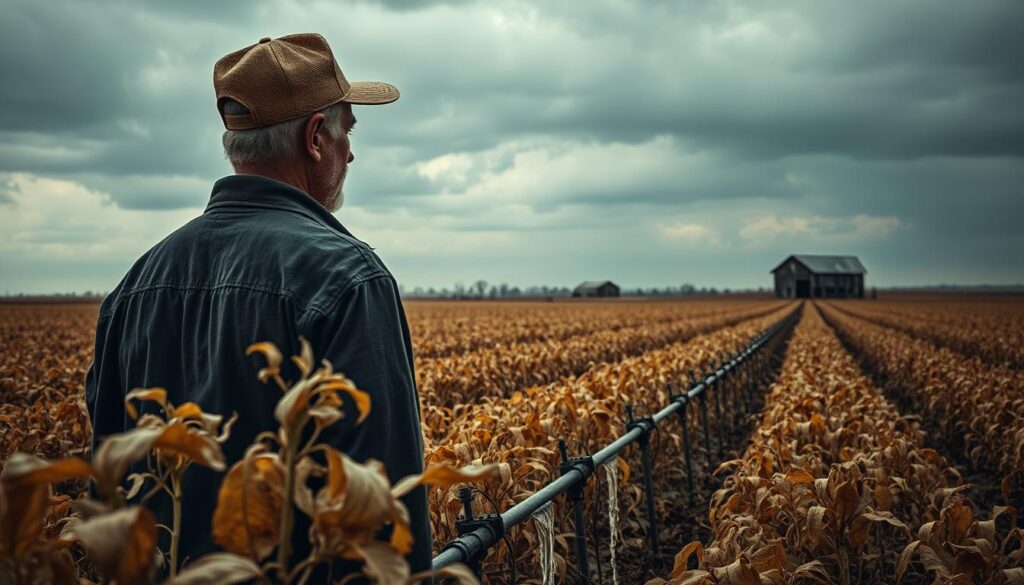
The agriculture industry is facing big challenges that affect food security and sustainability. Climate change, soil degradation, and labor shortages are major issues for farming communities.
As the world’s population grows, agriculture must produce more with less. Farmers are finding it hard to keep up with productivity. This is due to climate change, like unpredictable weather and more pests and diseases. Soil degradation from intensive farming makes things even tougher.
It’s important to tackle these agricultural challenges to ensure we have enough food. By understanding these issues, we can start finding ways to solve them.
Key Takeaways
- The agriculture industry faces significant challenges, including climate change and soil degradation.
- Labor shortages are a major issue affecting farming productivity.
- Addressing these challenges is crucial for ensuring food security and sustainability.
- Farming communities are under pressure to produce more with less.
- Understanding the complexities of agricultural challenges is key to developing effective solutions.
The Evolving Agricultural Landscape
The agricultural sector is changing a lot. It’s because we need to grow more food and deal with new environmental issues. This change has been happening for centuries, with farming practices evolving over time.
Historical Context of Farming Practices
Farming used to be very hard work. It relied on old methods passed down through families. The plow was a big change, making it easier to work the soil.
As societies grew, so did farming. Irrigation and crop rotation made farming more productive.
Transition to Modern Agricultural Systems
Modern farming has seen big tech advances. Mechanization and new fertilizers and pesticides have boosted crops and cut down on work.
Key Technological Shifts
New tech like precision agriculture has changed farming. GPS and drones help farmers manage crops better and waste less.
Changes in Farm Ownership and Scale
Farms are getting bigger, with many small ones merging into big ones. This is due to money issues and the need to be bigger to save money.
Current Problems of Agriculture: An Overview
The agricultural sector is facing many challenges that threaten its future. These issues affect farming and the food system in many ways.
Environmental Challenges
Environmental problems are big concerns for farming today. Issues like climate change, soil degradation, and water scarcity hurt farm productivity. Climate change, for example, changes weather patterns, causing more extreme weather.
“Climate change is one of the most pressing issues of our time, and its impact on agriculture is far-reaching.”
Soil degradation is another big problem. Soil erosion and nutrient loss make land less fertile. This hurts crop yields and farm profits.
| Environmental Challenge | Impact on Agriculture |
|---|---|
| Climate Change | Alters weather patterns, increases extreme weather events |
| Soil Degradation | Reduces soil fertility, affects crop yields |
| Water Scarcity | Impacts irrigation, reduces water availability |
Economic Pressures
Economic challenges are also big for farming. Market volatility and rising input costs squeeze farm profits. Farmers face trade issues and competition from big farms.
Farmers need to find ways to stay economically viable. They can do this by growing different crops and improving their market access.
Social and Demographic Issues
Social and demographic issues also affect farming. Labor shortages, an aging farmer population, and changing consumer demands are big challenges. The decline of the agricultural workforce makes it hard to keep farms running.
To solve these problems, we need a comprehensive approach. This includes government policies, new technologies, and changes in consumer behavior. Understanding these challenges helps us work towards a more sustainable food system.
Climate Change and Its Impact on Farming
Climate change is changing farming in big ways. It’s causing problems for farmers all over the world. Higher temperatures, different rain patterns, and more extreme weather are hurting crops and farm work.
Changing Weather Patterns
Climate change is messing with the weather farmers are used to. Warmer temps and changing seasons are messing up planting, pollination, and harvest times. This can make crops smaller and lower quality.
Increased Frequency of Extreme Weather Events
Climate change is making weather events like droughts, floods, and heatwaves happen more often. These can destroy crops, damage farms, and mess up farm work.
Step-by-Step Climate Adaptation Strategies
Farmers can fight climate change with smart strategies. Here are a few:
Crop Selection for Climate Resilience
Choosing crops that can handle changing weather is key. This means picking crops that can grow well in different conditions. Drought-resistant or heat-tolerant crops are good choices.
Implementing Weather Monitoring Systems
Using advanced weather systems helps farmers make better choices. These systems give real-time weather info. This lets farmers adjust planting, watering, and harvesting plans fast.
Soil Degradation and Loss of Fertility
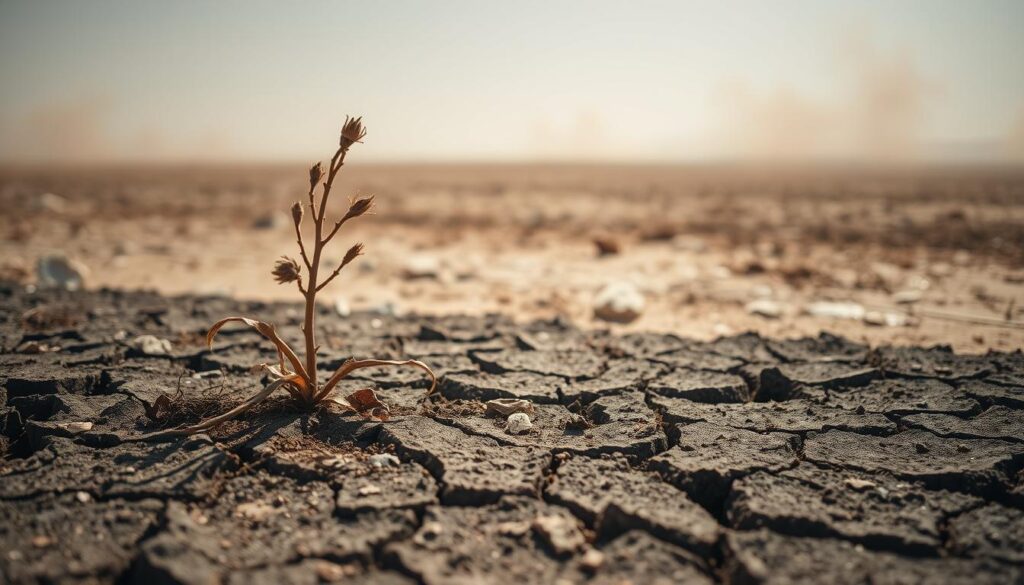
Soil degradation is a big problem, threatening farming’s future. Soil health is key to farming success. Losing it can cause big problems.
Causes of Soil Depletion
Soil depletion comes from intensive farming, deforestation, and bad soil management. Intensive farming can cause erosion, nutrient loss, and salinization. This makes soil less fertile.
Consequences for Crop Yields
Soil fertility loss hurts crop yields. As soil health goes down, farmers see lower productivity and quality. They also spend more on farming.
Practical Soil Conservation Techniques
It’s important to use conservation methods to keep soil healthy. Good strategies include cover cropping and no-till farming.
Cover Cropping Methods
Cover cropping plants crops between other crops to protect and improve soil. It reduces erosion, enhances soil structure, and boosts biodiversity.
No-Till Farming Implementation
No-till farming reduces soil disturbance, keeping organic matter and preventing erosion. It helps retain water and cuts down on tillage equipment needs.
By using these sustainable practices, farmers can fight soil degradation. They can also boost crop yields and help farming become more sustainable.
Water Scarcity and Management Challenges
The agricultural sector is facing big challenges due to water scarcity and bad irrigation practices. As the world’s population grows, so does the need for food. This puts more pressure on water resources.
Irrigation Inefficiencies
Old irrigation methods waste a lot of water. For example, flood irrigation loses water to evaporation and runoff. Modern irrigation techniques like precision irrigation save water by giving it directly to the roots.
Groundwater Depletion
Groundwater depletion is a big problem in agriculture. Taking too much water from underground can lower water tables and cause land to sink. Sustainable groundwater management practices are key to solving this.
Tutorial: Setting Up Water-Efficient Irrigation Systems
Using water-efficient irrigation systems can cut down on waste and boost crop yields. Two good methods are drip irrigation and water recycling.
Drip Irrigation Installation
Drip irrigation sends water straight to the plants’ roots. It cuts down on evaporation and runoff. This means more water for the crops.
Water Recycling Techniques
Water recycling in farming treats and reuses water from places like drainage or city wastewater. It helps save freshwater and lowers the environmental impact of farming.
By using efficient irrigation and managing groundwater well, farmers can tackle water scarcity. This ensures a strong future for agriculture.
Biodiversity Loss in Agricultural Systems
The loss of biodiversity in farms is a big problem. It harms the environment and makes farming less sustainable. As farms get simpler, the places where many plants and animals live are being lost.
Impact of Monoculture Farming
Monoculture farming, where one crop is grown over a large area, is a big cause of biodiversity loss. This makes farms more likely to get pests and diseases. Also, not rotating crops and using a lot of pesticides and fertilizers makes things worse.
Decline in Pollinators and Beneficial Insects
The number of pollinators like bees and butterflies, and beneficial insects like ladybugs and lacewings, is going down. These insects are key for pollinating crops and controlling pests. Without them, farmers might use more chemicals, harming the ecosystem even more.
How to Create Biodiversity Corridors on Farms
Creating biodiversity corridors on farms is a good way to fight biodiversity loss. These corridors are strips of native plants along field edges or between crops. They help connect habitats and let wildlife move around.
Native Plant Selection and Placement
Choosing the right native plants for corridors is key. Pick plants that give nectar, pollen, and seeds to beneficial insects and pollinators. Place these plants in a way that creates a network of habitats for many species.
Beneficial Insect Habitat Creation
Creating habitats for beneficial insects is also important. This can be done by making insect hotels or leaving parts of the farm untidy. This gives shelter to these helpful insects.
| Strategy | Description | Benefits |
|---|---|---|
| Native Plant Selection | Choosing plants native to the region for biodiversity corridors | Supports local biodiversity, provides habitat for beneficial insects |
| Biodiversity Corridors | Creating strips of native vegetation along field edges or between crops | Connects isolated habitats, facilitates wildlife movement |
| Insect Habitat Creation | Creating habitats for beneficial insects, such as insect hotels | Enhances biodiversity, supports ecosystem services |
Economic Challenges Facing American Farmers
American farmers are dealing with many economic problems. These issues make it hard for them to keep their farms running. We need to tackle these problems together.
Market Volatility and Price Fluctuations
The price of farm products can change a lot. Market volatility comes from many things like global demand, weather, and trade rules.
Rising Input Costs
It’s getting more expensive to buy things like seeds and equipment. Efficient management of these costs is key to staying profitable.
Competition and Trade Issues
American farmers compete with others from around the world. Trade policies can really affect their ability to sell abroad. Knowing about trade agreements and tariffs is very important.
Step-by-Step Farm Financial Planning
Good financial planning is vital for facing these challenges. This means:
Risk Management Strategies
Using strategies like crop insurance and diversifying can help deal with economic ups and downs.
Diversification Opportunities
Trying new things like growing different crops or starting agritourism can help make money more stable.
| Economic Challenge | Impact on Farmers | Potential Solution |
|---|---|---|
| Market Volatility | Unpredictable revenue | Risk management strategies |
| Rising Input Costs | Reduced profit margins | Efficient cost management |
| Competition and Trade Issues | Difficulty in exporting goods | Understanding trade agreements |
Labor Shortages and Workforce Issues
The agricultural sector is facing a big problem with labor shortages. This shortage is making it hard to get work done efficiently. As farming evolves, it’s also dealing with big challenges in finding and keeping workers.
Aging Farmer Population
Many farmers are getting older and close to retirement. This is creating a big problem for the industry. It’s hard to find and keep younger workers to replace them.
Seasonal Labor Challenges
Seasonal labor shortages are a big issue, especially during busy harvest times. Farms often rely on migrant workers. But, changes in immigration laws and labor rules are making it harder to find them.
Guide to Agricultural Automation Implementation
Using automation can help solve labor shortages. It’s important to pick the right technology and train workers to use it.
Selecting Appropriate Technology
When picking automation, think about what your farm needs. Figure out which tasks can be automated and what equipment you’ll need.
| Technology | Application | Benefits |
|---|---|---|
| Robotic Harvesters | Crop harvesting | Increased efficiency, reduced labor costs |
| Automated Irrigation | Water management | Water conservation, improved crop health |
Training and Workforce Transition
Automation needs a skilled workforce. Offering training programs helps workers learn new technologies. This makes the transition smoother.
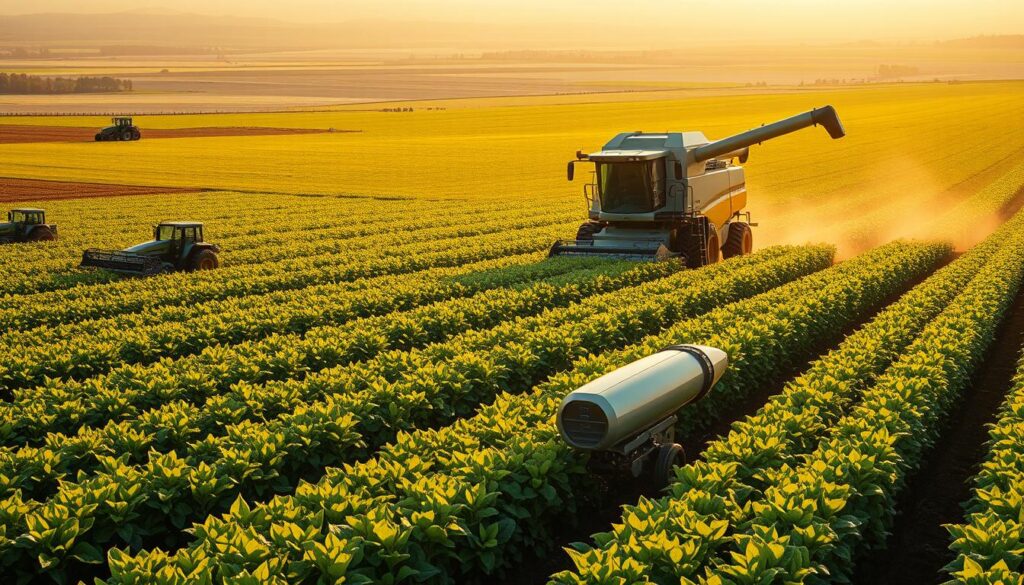
By using automation and tackling labor shortages, farming can become more productive and sustainable. This ensures a strong future for farming.
Implementing Sustainable Agricultural Practices
Using sustainable farming methods is key to ensuring food for everyone and protecting our environment. With more people on Earth, we need to farm in ways that are good for the planet. This is more urgent than ever.
Organic Farming Methods
Organic farming is a smart choice compared to traditional farming. It doesn’t use harmful chemicals, which keeps the soil healthy and water clean. Organic farming practices also make our food better and help the environment.
Regenerative Agriculture Techniques
Regenerative farming aims to make the soil better and support nature. It uses methods like no-till farming and planting cover crops. These actions help the soil hold water, support life, and even fight climate change. Regenerative agriculture makes farms stronger and more resilient.
Precision Farming Technologies
Precision farming uses new tech like GPS and drones to farm smarter. It helps use resources like water and fertilizers more efficiently. This approach cuts waste, reduces harm to the environment, and grows more food.
Tutorial: Converting to Sustainable Practices
Assessment and Planning Phase
The first step is to check how your farm is doing now. Look at the soil, water use, and wildlife. Then, make a plan to switch to better farming methods.
Implementation Timeline and Benchmarks
Having a clear plan and goals is important for success. Start small, like adding cover crops or using fewer chemicals. Then, grow your sustainable efforts over time. Keep track of your progress to make needed changes.
Conclusion: Building a Resilient Agricultural Future
The agricultural industry is facing big challenges, like climate change and labor shortages. These issues threaten our food supply and make food insecurity worse. To overcome these, we need a strong and lasting plan for the future of farming.
Using sustainable farming methods can help a lot. Organic farming and regenerative agriculture increase crop yields and protect the environment. They also help make sure everyone has enough to eat. New technologies, like precision farming and automation, can also help solve labor problems and make farming more efficient.
To tackle these challenges, everyone involved in farming needs to work together. Policymakers, farmers, and others must create and enforce policies that support sustainable farming. This will help farming be more resilient to climate change and ensure we have enough food for the future.