Table of Contents
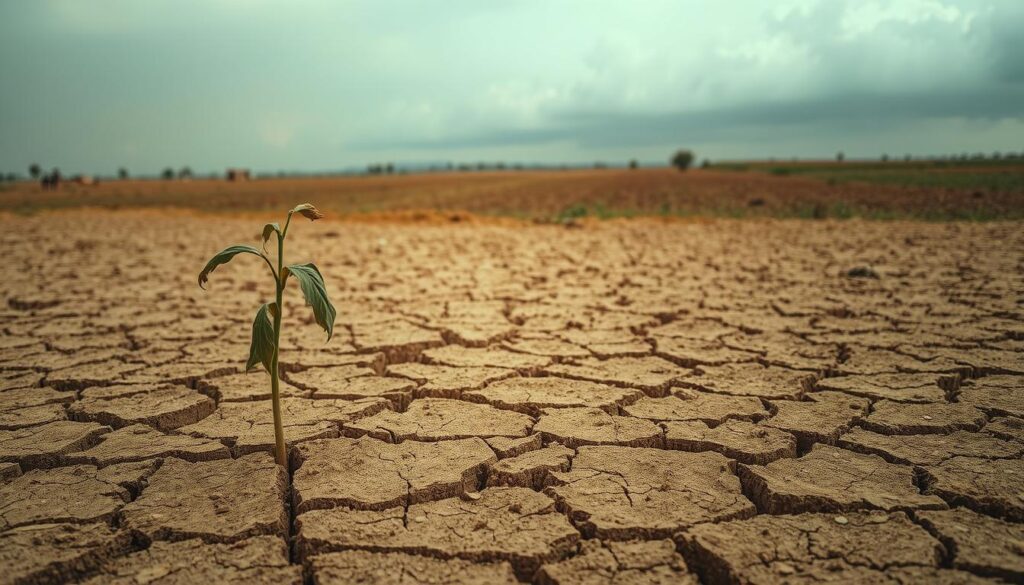
Pakistan is experiencing severe consequences due to climate change, with rising temperatures affecting soil moisture levels and leading to soil degradation. A recent study revealed that the How Climate Change Is Destroying Soil Moisture in Pakistan (Causes & Solutions – 2025)
The effects of climate change impacts are far-reaching, with soil degradation posing a significant risk to Pakistan’s ecosystems. It is essential to understand the significance of this issue to develop effective strategies for mitigation.

Key Takeaways
- Climate change is affecting soil moisture levels in Pakistan.
- Soil degradation is a significant threat to the country’s ecosystems.
- Rising temperatures are altering weather patterns.
- Agricultural productivity is under threat due to climate change.
- Understanding the impacts of climate change is crucial for developing mitigation strategies.
Pakistan’s Changing Climate: Trends and Projections
Rising temperatures and changing precipitation patterns are altering Pakistan’s climate, leading to more frequent extreme weather events. Understanding these changes is crucial for mitigating their impacts on agriculture, water resources, and ecosystems.
Historical Climate Patterns and Recent Changes
Pakistan has historically experienced a diverse climate across its regions, from the arid landscapes of Balochistan to the temperate climates of the northern mountains. However, recent years have seen significant deviations from historical norms.
Temperature Increases Across Regions
There has been a noticeable increase in temperatures across Pakistan, with more pronounced warming in the country’s southern regions. This warming trend is affecting agriculture and water availability.
Shifting Monsoon Patterns
The monsoon season, crucial for Pakistan’s agriculture, has become increasingly unpredictable. Changes in monsoon patterns are leading to either excessive rainfall or drought, impacting crop yields and farmer livelihoods.
Extreme Weather Events in Pakistan
Pakistan is experiencing an uptick in extreme weather events, including floods, droughts, and heatwaves. These events are having devastating impacts on communities, infrastructure, and the economy.
Floods and Droughts
The country is witnessing more frequent and intense floods and droughts. Floods are causing widespread destruction, while droughts are depleting water resources and affecting agriculture.
Heat Waves and Their Frequency
Heatwaves are becoming more common and severe, posing significant health risks, especially to vulnerable populations. The increased frequency of these events is a stark reminder of the changing climate.
Future Climate Scenarios for Pakistan
Projections indicate that Pakistan will continue to experience rising temperatures and more variable precipitation patterns. Preparing for these changes is essential for ensuring the resilience of its ecosystems and agricultural systems.
The Critical Role of Soil Moisture in Pakistan’s Ecosystems
Soil moisture is a critical component in the functioning of Pakistan’s diverse ecosystems. It plays a pivotal role in sustaining the country’s agricultural productivity and ecological health.
Understanding Soil Moisture Dynamics
Soil moisture dynamics are influenced by various factors including precipitation, temperature, and soil composition. Understanding these dynamics is crucial for managing soil health effectively.
Soil Moisture and Agricultural Productivity
Agricultural productivity in Pakistan is heavily reliant on soil moisture. Adequate soil moisture levels ensure healthy crop growth and higher yields. The key factors include:
- Optimal irrigation management
- Soil conservation techniques
- Crop selection based on soil moisture tolerance
For more information you can watch this YouTube video link given below: https://youtu.be/-w-9wVs5R3M
Ecological Functions of Properly Hydrated Soils
Properly hydrated soils support various ecological functions. These include:
- Biodiversity Support: Healthy soils with adequate moisture support a wide range of biodiversity, from microorganisms to plants and animals.
- Carbon Sequestration Potential: Soils with optimal moisture levels have a higher potential for carbon sequestration, contributing to climate change mitigation.
Biodiversity Support
Biodiversity is supported through the provision of habitats for various organisms. Soil moisture influences the availability of nutrients and water, crucial for sustaining ecosystems.
Carbon Sequestration Potential
Soil carbon sequestration is enhanced through practices that improve soil health and moisture retention. This not only supports plant growth but also reduces atmospheric CO2 levels.
How Climate Change Is Destroying Soil Moisture in Pakistan (Causes & Solutions – 2025)
Climate change is profoundly affecting soil moisture levels and degradation processes worldwide, with significant implications for Pakistan’s ecosystems. The changing climate is not just a global issue; it has local impacts that require immediate attention and action.
Disrupted Hydrological Cycles
One of the critical impacts of climate change is the disruption of hydrological cycles. This disruption affects the distribution and intensity of rainfall and snowmelt, which are crucial for maintaining soil moisture.
Rainfall Intensity and Distribution Changes
Changes in rainfall intensity and distribution are altering the way soil absorbs and retains water. Increased intensity can lead to runoff, reducing the water available for soil moisture. Conversely, decreased rainfall in some areas leads to drought conditions, depleting soil moisture.
Snowmelt Timing Alterations
In regions like the northern areas of Pakistan, snowmelt is a significant source of water for soils. Climate change is altering the timing of snowmelt, affecting the availability of water for soil hydration during critical periods.
Rising Temperatures and Soil Moisture Depletion impact on How Climate Change Is Destroying Soil Moisture in Pakistan (Causes & Solutions – 2025)
Rising temperatures due to climate change are increasing evaporation rates from the soil, leading to soil moisture depletion. This depletion affects plant growth and agricultural productivity, as crops require consistent moisture levels.
Soil moisture depletion not only affects agriculture but also has broader ecological implications, including reduced water quality and increased risk of soil erosion.
Drought-Flood Cycles and Soil Structure
The increased frequency of drought-flood cycles due to climate change is damaging to soil structure. Droughts weaken the soil, making it more susceptible to erosion during subsequent floods. This cycle degrades the soil’s physical structure and its ability to support plant life.
The impacts of climate change on soil moisture and degradation are complex and multifaceted. Understanding these impacts is crucial for developing strategies to mitigate soil degradation and ensure sustainable land management practices in Pakistan.
Climate-Induced Soil Degradation Processes in Pakistan
Climate change is exacerbating soil degradation in Pakistan through various processes. Rising temperatures and changing precipitation patterns are altering the delicate balance of Pakistan’s ecosystems, leading to severe soil degradation.
Accelerated Soil Erosion in Vulnerable Landscapes
Soil erosion is a significant concern in Pakistan, particularly in areas with vulnerable landscapes. The increased frequency of extreme weather events is leading to more frequent landslides and soil loss.
Salinization of Agricultural Lands
Salinization is another critical issue affecting Pakistan’s agricultural lands. The Indus Basin Irrigation Network, while crucial for agriculture, has issues related to waterlogging and salt buildup.
Indus Basin Irrigation Network Issues
The Indus Basin Irrigation Network is one of the largest irrigation systems in the world. However, it faces challenges such as waterlogging and salinization due to inadequate drainage.
Coastal Saltwater Intrusion
Coastal regions in Pakistan are experiencing saltwater intrusion into freshwater sources, further complicating agricultural practices.
Desertification Expansion in Arid Regions
Desertification is expanding in Pakistan’s arid regions due to climate change and unsustainable land management practices. This expansion results in reduced land productivity and increased poverty.
Declining Soil Organic Carbon
Soil organic carbon is crucial for maintaining soil health. However, it is declining in many parts of Pakistan due to intensive farming practices and lack of soil conservation measures.
| Degradation Process | Impact | Affected Regions |
|---|---|---|
| Soil Erosion | Loss of fertile land | Mountainous regions |
| Salinization | Reduced agricultural productivity | Indus Basin |
| Desertification | Land degradation | Arid regions of Balochistan |
| Declining Soil Organic Carbon | Poor soil health | Agricultural lands across Pakistan |
Geographic Variations of Soil Impacts Across Pakistan
Geographic variations in soil impacts are evident across Pakistan, influenced by the country’s diverse climate and topography. The effects of climate change on soil health vary significantly from one region to another, necessitating a closer look at the specific challenges faced by different areas.
Northern Mountainous Regions: Erosion and Landslides
The northern mountainous regions of Pakistan are particularly vulnerable to soil erosion and landslides due to their steep terrain and changing precipitation patterns. Increased rainfall intensity and melting glaciers contribute to the destabilization of these landscapes, posing significant risks to local ecosystems and infrastructure.
Punjab and Sindh Agricultural Plains
The agricultural plains of Punjab and Sindh are crucial for Pakistan’s food production. However, these regions face unique soil-related challenges.
Irrigation-Related Soil Problems
Irrigation, while essential for agriculture, has led to soil salinization and waterlogging in some areas. Poor irrigation management can result in the accumulation of salts, reducing soil fertility and affecting crop yields.
Groundwater Depletion Effects
Over-extraction of groundwater for irrigation has caused significant depletion of water resources, impacting soil health and agricultural productivity. Sustainable groundwater management practices are essential to mitigate these effects.
Balochistan’s Arid Landscapes
Balochistan’s arid regions are experiencing desertification and soil degradation due to limited rainfall and overgrazing. Conservation efforts are necessary to protect these fragile ecosystems and maintain soil health.
Coastal Areas of Sindh and Balochistan
The coastal regions of Sindh and Balochistan face challenges related to soil salinization and erosion due to sea-level rise and storm surges. Adaptation measures are crucial to safeguard these areas and their inhabitants.
Understanding these geographic variations in soil impacts is crucial for developing targeted strategies to address the specific challenges faced by each region. By adopting region-specific approaches, Pakistan can work towards mitigating the adverse effects of climate change on its diverse landscapes.
Agricultural Vulnerability to Changing Soil Conditions
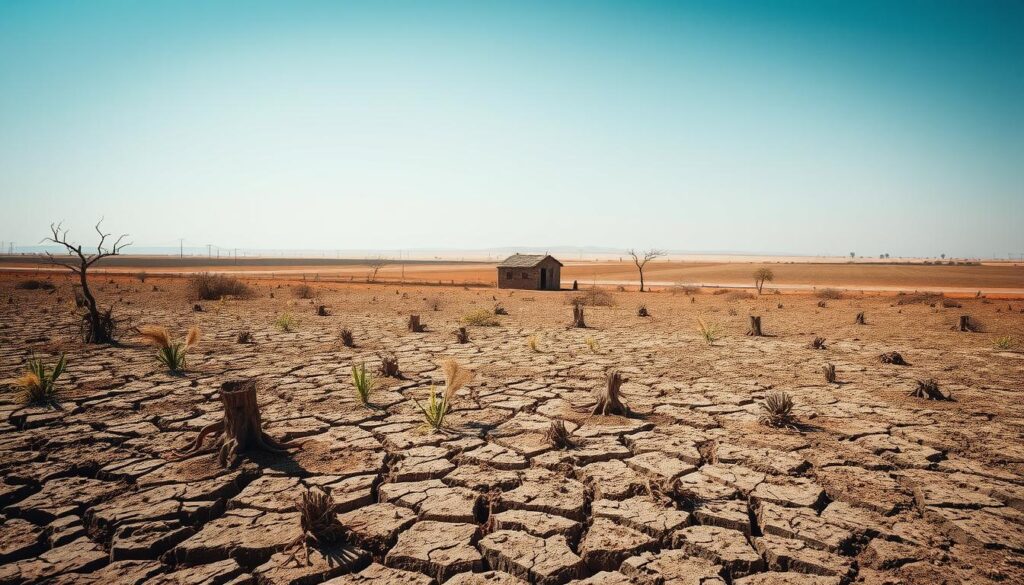
Soil degradation and changing moisture levels are critical factors affecting Pakistan’s agricultural stability. The country’s agricultural sector, a significant contributor to its economy, is facing severe challenges due to the deteriorating health of its soils.
Major Crop Systems Under Threat
Pakistan’s major crop systems, including wheat, rice, cotton, and sugarcane, are under significant threat due to changing soil conditions. These crops are not only crucial for food security but also play a vital role in the country’s economy.
Wheat and Rice Production Challenges
Wheat and rice, staple crops in Pakistan, are facing production challenges due to soil degradation. Soil erosion and nutrient depletion are leading to reduced yields and lower quality produce.
Cotton and Sugarcane Vulnerabilities
Cotton and sugarcane, key cash crops, are vulnerable to changing soil moisture levels and increased salinization. This vulnerability can lead to reduced fiber quality and sugar content, impacting farmer incomes.
Shifting Growing Seasons and Farming Calendars
Climate change is causing shifts in growing seasons, affecting farming calendars. Farmers are struggling to adapt to these changes, leading to disruptions in planting and harvesting schedules.
Irrigation Demands and Water Scarcity
The increasing demand for irrigation due to changing soil moisture levels is exacerbating water scarcity issues. Efficient water management practices are crucial to mitigate this challenge.
Emerging Pest and Disease Patterns in Degraded Soils
Degraded soils are witnessing emerging pest and disease patterns, further threatening crop health. The use of sustainable agricultural practices can help in managing these emerging threats.
In conclusion, the vulnerability of Pakistan’s agricultural sector to changing soil conditions is a pressing issue that requires immediate attention. Implementing climate-smart agricultural practices and improving water management can help mitigate these challenges.
Socioeconomic Ripple Effects of Soil Degradation
The socioeconomic implications of soil degradation in Pakistan are multifaceted and pose a significant threat to national development. As the country’s soil health deteriorates, the consequences are felt across various sectors, from agriculture to urban planning.
Food Security Challenges for a Growing Population
Soil degradation directly impacts agricultural productivity, leading to reduced crop yields and decreased food security. With Pakistan’s population growing rapidly, the pressure on the agricultural sector to meet food demands is intensifying. Ensuring food security in the face of soil degradation is a significant challenge.
Rural Livelihoods and Poverty Implications
Rural communities in Pakistan are heavily reliant on agriculture and natural resources. Soil degradation exacerbates poverty in these areas by reducing agricultural productivity and livelihood opportunities. The impact on rural livelihoods is profound, with many families struggling to maintain their income.
Climate-Induced Migration from Degraded Lands
As soil degradation worsens, it contributes to climate-induced migration. People are forced to leave their homes in search of better living conditions. This migration can be both internal and external.
Internal Displacement Patterns
Internally, people move from degraded lands to urban areas or other rural regions in search of work and better living conditions. This internal displacement puts a strain on urban infrastructure.
Urban Migration Pressures
The influx of migrants to urban areas results in increased pressure on city resources, including housing, water, and sanitation. Urban planning must adapt to these changes.
Economic Costs to Pakistan’s Agricultural Sector
The economic costs of soil degradation to Pakistan’s agricultural sector are substantial. Reduced agricultural productivity and increased costs for fertilizers and irrigation contribute to economic losses. Investing in soil health is crucial for mitigating these costs.
Solutions: Adapting to and Mitigating Soil Changes
As Pakistan faces the challenges of climate change, adapting to and mitigating soil changes is crucial for sustainable agriculture. The country’s agricultural sector is highly vulnerable to the impacts of climate change, including soil degradation and moisture loss.
Climate-Smart Agricultural Practices for Pakistani Farmers
Implementing climate-smart agricultural practices can significantly enhance the resilience of Pakistan’s agricultural systems. This includes adopting conservation agriculture techniques that reduce soil disturbance, promote soil cover, and enhance crop rotations.
Conservation Agriculture Techniques
Conservation agriculture techniques help in reducing soil erosion, improving soil health, and increasing water retention. These techniques include minimum tillage, mulching, and crop rotation, which collectively contribute to more sustainable farming practices.
Drought-Resistant Crop Varieties
Developing and using drought-resistant crop varieties is another critical strategy. These crops are bred to thrive in water-scarce conditions, thereby reducing the risks associated with droughts.
Water Management Innovations
Effective water management is vital for maintaining soil moisture and supporting agricultural productivity. Innovations such as precision irrigation systems and water harvesting techniques can significantly improve water use efficiency.
Soil Restoration and Carbon Sequestration
Soil restoration efforts, including practices that enhance soil organic carbon, are essential for improving soil health and mitigating climate change. Techniques such as agroforestry and the use of organic amendments can help sequester carbon in soils.
Policy Frameworks and Institutional Support
The success of these strategies depends on robust policy frameworks and institutional support. Governments and international organizations must work together to develop and implement policies that promote climate-smart agriculture and provide necessary support to farmers.
Conclusion
Climate change is significantly impacting soil moisture and degradation in Pakistan, posing substantial threats to the country’s ecosystems and agricultural productivity.
The changing climate trends and extreme weather events are disrupting hydrological cycles, depleting soil moisture, and accelerating soil degradation processes such as erosion, salinization, and desertification.
These changes have far-reaching socioeconomic implications, including food security challenges, rural livelihood impacts, and economic costs to the agricultural sector.
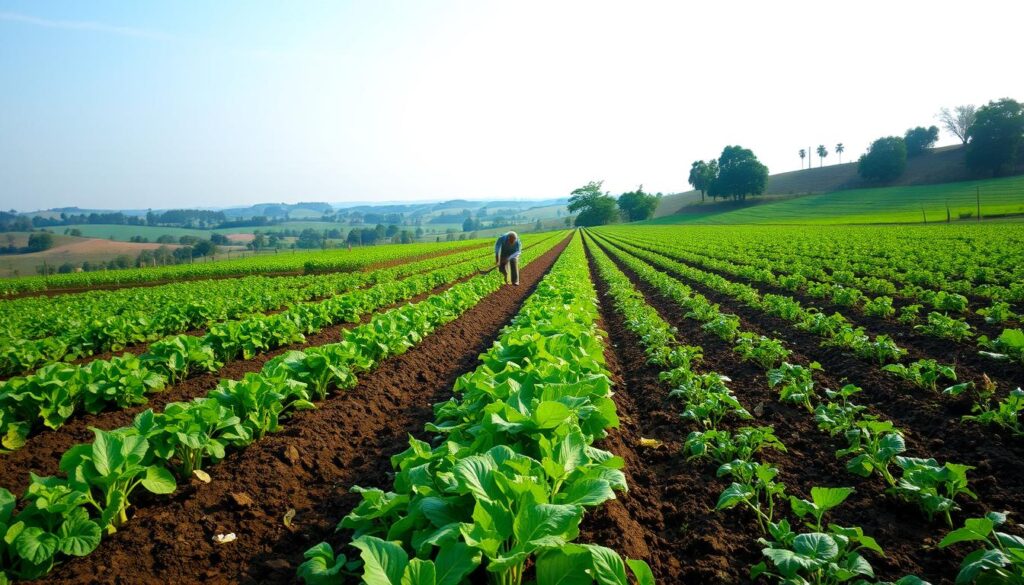
To address these challenges, it is essential to adopt climate-smart agricultural practices, implement innovative water management strategies, and restore degraded soils.
Effective policy frameworks and institutional support are crucial for mitigating the impacts of climate change on soil moisture and degradation, ensuring a sustainable future for Pakistan’s agricultural sector and ecosystems.
Read Next article https://agriculture111.com/wp-admin/post.php?post=1272&action=edit
Next https://agriculture111.com/wp-admin/post.php?post=1285&action=edit