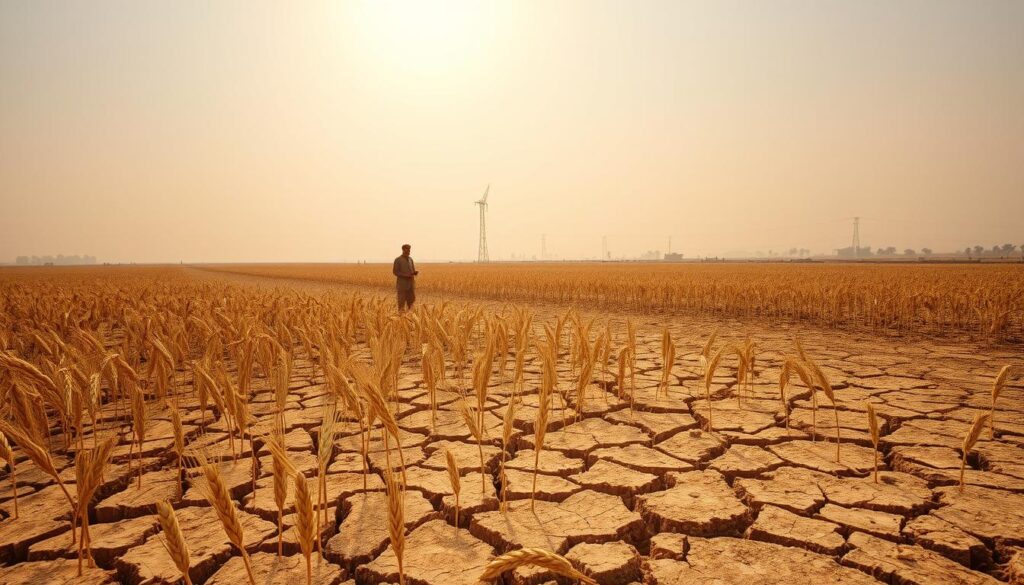
Learn about the factors contributing to the renewed wheat crisis in Pakistan, 2025 and its consequences.
Pakistan is on the average of a major wheat shortage in 2025. Experts predict a big gap in supply. Wheat is a key food for many in Pakistan, making this crisis very serious.
The wheat shortage in Pakistan comes from bad weather and economic issues. These problems raise big worries about food safety and the country’s economy.
Key Takeaways
- Pakistan is facing a significant wheat shortage in 2025.
- The crisis is attributed to adverse weather and economic factors.
- Food security concerns are rising due to the shortage.
- The wheat crisis may have a substantial impact on Pakistan’s economy.
- Immediate action is required to mitigate the effects of the crisis.
The Current Wheat Situation in Pakistan
Pakistan is facing a major crisis with its wheat crop. This crop is essential for most people in the country. But, it’s facing many challenges that affect how much wheat is produced and how it’s shared.
Key Statistics and Indicators of the Crisis
The wheat crisis in Pakistan is serious. There’s a big shortage of wheat, with over 2 million tons missing. Wheat crisis statistics show that bad weather and pests have hurt the yield. The national wheat reserve is also running low, making things worse.
Regions Most Affected in Pakistan
The worst-hit areas are in Punjab and Sindh provinces. These places have seen extreme weather events like unusual rains and heatwaves. These have ruined wheat crops. People in these rural areas are struggling because they’ve lost their main crop.
Immediate Consequences for National Food Security
The wheat crisis is a big threat to food security in Pakistan. With less wheat, food security concerns are growing, especially for poor families. They depend a lot on wheat. The demand for wheat is high, but supplies are low, which could make food more expensive.
Historical Context: Pakistan’s Recurring Wheat Crises
Pakistan’s history with wheat is filled with crises, especially from 2020 to 2024. Knowing these past events helps us understand the current wheat shortage better.
Previous Wheat Shortages (2020-2024)
From 2020 to 2024, Pakistan saw many wheat shortages. These were caused by climate change, bad agricultural policies, and supply chain problems. These shortages hurt the country’s food security and economy a lot.
| Year | Wheat Production (tons) | Shortfall (tons) |
|---|---|---|
| 2020 | 25 million | 2 million |
| 2021 | 23 million | 3 million |
| 2022 | 24 million | 1.5 million |
| 2023 | 22 million | 4 million |
| 2024 | 23.5 million | 2.5 million |
Patterns and Similarities with Past Crises
Looking at past wheat shortages shows us patterns. Climate issues like droughts and floods have always hurt wheat crops. Also, bad policies and supply chain problems have made things worse.
By learning from history, policymakers can create better plans. This will help avoid future wheat crises and keep food safe in Pakistan.
Why Wheat Is in Crisis Again in 2025 in Pakistan
Pakistan is facing a wheat crisis in 2025. It’s important to know why. The problems are environmental, policy, and logistical.
Climate Change and Extreme Weather Events
Climate change is hurting Pakistan’s wheat. Extreme weather events like droughts and unpredictable rain are getting worse.
Drought Conditions in Major Wheat-Growing Regions
Severe drought conditions are hitting major wheat areas hard. This lack of water is stressing wheat crops, cutting down production.
Unpredictable Rainfall Patterns
Unpredictable rain is making wheat farming tough. Too much rain can harm crops, while too little leads to water scarcity. Both hurt wheat production.
Agricultural Policy Failures
Poor agricultural policies are also a problem. Inefficient policies and lack of farmer support are hurting wheat production. Policies that ignore farmer needs or lack resources make things worse.
Supply Chain Disruptions
Supply chain issues are also a big part of the crisis. Inadequate storage facilities, transport problems, and poor distribution networks cause losses and inefficiencies.
| Factor | Impact on Wheat Production | Potential Solution |
|---|---|---|
| Climate Change | Reduced crop yields due to extreme weather | Climate-resilient farming practices |
| Agricultural Policy Failures | Inefficient support for farmers | Reformed agricultural policies |
| Supply Chain Disruptions | Losses and inefficiencies in wheat distribution | Improved storage and transportation infrastructure |
The wheat crisis in Pakistan in 2025 is complex. It needs a full solution to tackle the challenges. By understanding the causes and finding the right answers, Pakistan can tackle the crisis and ensure food security.
Economic Factors Contributing to the Wheat Crisis
The wheat crisis in Pakistan is caused by several economic issues. These include inflation and the value of the currency dropping. It’s important to understand these factors to tackle the crisis.
Inflation and Rising Production Costs
Inflation has made growing wheat in Pakistan very expensive. The prices of things like fertilizers, seeds, and labor have gone up. For example, fertilizer costs have risen by over 20% in a year.
Key statistics:
- 20% increase in fertilizer costs
- 15% rise in labor costs
- 10% increase in seed prices
Currency Devaluation Effects on Imports
The value of Pakistan’s currency has dropped. This makes importing wheat more expensive. The rupee’s value against the US dollar has gone down, adding to the cost of wheat imports.
“The devaluation of our currency has made it extremely difficult to import wheat at competitive prices, further exacerbating the supply shortage,” said a leading wheat importer.
International Market Pressures and Trade Barriers
Global wheat prices are changing a lot. Trade barriers from big wheat exporters also hurt Pakistan’s chances to buy wheat at good prices.https://youtu.be/_rQUFkEOYW8
These economic issues have made Pakistan’s wheat situation very tough. To fix this, the country needs to make policy changes and use economic strategies.
Impact on Pakistani Farmers and Rural Communities
The wheat crisis in Pakistan is hitting farmers and rural communities hard. It affects them in many ways, from money troubles to changes in how they farm.
Financial Struggles of Small-Scale Farmers
Small-scale farmers are especially hard hit by the wheat crisis. They face big money problems, including:
- Debt cycles due to limited access to credit
- Challenges in affording essential inputs like seeds and fertilizers
Debt Cycles and Access to Credit
Many small-scale farmers are stuck in debt. They struggle to get credit at good interest rates. This makes it hard for them to invest in their farms, making the crisis worse.
Input Affordability Challenges
The cost of farming inputs, like seeds and fertilizers, is going up. This puts a strain on small-scale farmers’ money. It makes it tough for them to keep their farms productive.
Rural Migration and Changing Agricultural Practices
The wheat crisis is causing farmers to leave their homes in search of better jobs. This migration is changing how farming is done. The farmers left behind are adjusting to new economic and environmental conditions.
These farmers might start growing more resilient crops or try farming different things. But, these changes bring their own challenges and unknowns.
Consequences for Pakistani Consumers
The wheat crisis in Pakistan is affecting many people. Wheat is a key food for Pakistanis. Any problem with wheat supply has big effects.
Food Security Concerns Across Income Groups
Food security worries are growing in Pakistan. The poor and middle class are especially at risk. They spend a lot on food. On average, Pakistani families spend about 40% of their money on food.
Rising Bread Prices and Household Budgets
Bread prices are going up, making it hard for families to budget. Bread is a must-have in most Pakistani homes. When bread costs more, families have to choose between eating less or spending more on bread. This can hurt their ability to pay for other important things.
Nutritional Impact on Vulnerable Populations
The health of children and the elderly is a big worry.
“The less wheat and higher prices can cause malnutrition, especially for the most vulnerable.”
It’s important for these groups to have access to healthy food. A shortage can harm their health for a long time.
The wheat crisis is more than just an economic problem. It’s also a health issue that needs urgent action from leaders.
Government Response to the 2025 Wheat Crisis
The Pakistani government is working hard to solve the 2025 wheat crisis. They want to keep the market stable and food safe for everyone. They are using emergency steps, subsidies, and price controls to help farmers and people who buy food.
Emergency Measures and Policies
The government has taken several steps to tackle the wheat crisis. These include:
- Importing wheat from nearby countries to increase our supply
- Creating strategic reserves to protect against future shortages
- Setting strict prices to stop hoarding and making too much money
These actions are meant to help people right away and make the market stable.
Subsidy Programs and Price Controls
The government is also helping small farmers and those who can’t afford much. They offer subsidies for things like seeds and fertilizers. Plus, they control prices to keep wheat products affordable for everyone.
Criticism and Public Reaction
But, not everyone agrees with the government’s plan. Some say it doesn’t fix the real problems like climate change and bad farming policies. Others worry about the black market because of price controls.
People have different opinions. Some thank the government for trying, while others want more action. The government must find a way to help now and fix the wheat sector for the future.
International Dimensions of Pakistan’s Wheat Crisis
Pakistan’s wheat crisis is not just a local problem. It’s also affected by foreign aid and global market trends. These international factors play a big role in the crisis.
Foreign Aid and Support Mechanisms
Pakistan has gotten help from abroad to deal with its wheat crisis. Organizations and countries have given money and food to help. For example, the World Bank has given funds to help Pakistan’s farms grow more wheat.
Global Wheat Market Trends Affecting Pakistan
Changes in the global wheat market affect Pakistan a lot. Things like climate change and trade policies can make wheat prices go up. This makes it hard for Pakistan to buy wheat at a good price.
Regional Comparisons with Neighboring Countries
Looking at how other countries handle wheat can teach Pakistan a lot. For example, India has worked hard to make its farms more productive. This has helped India grow more wheat.
| Country | Wheat Production (2024) | Import Dependency |
|---|---|---|
| Pakistan | 25 million tons | 30% |
| India | 110 million tons | 0% |
| Afghanistan | 4 million tons | 40% |
The crisis in Pakistan’s wheat shows we need a plan that includes foreign aid and learning from others. We must also adapt to changes in the global market.
Sustainable Solutions for Pakistan’s Wheat Sector
Pakistan’s wheat sector needs sustainable solutions to ensure food security and fight climate change. The ongoing wheat crisis calls for a mix of new farming practices, policy changes, and farming methods that can handle climate changes.
Agricultural Technology and Innovation
Using advanced agricultural technologies can greatly boost wheat production in Pakistan. This includes:
- Drought-resistant wheat varieties that can grow well in tough weather.
- Modern irrigation systems that save water and cut down on waste.
Drought-Resistant Wheat Varieties
It’s key to grow drought-resistant wheat varieties in Pakistan, where water is scarce. These varieties help keep yields steady even in dry times, making wheat supplies more reliable.
Modern Irrigation Systems
Modern irrigation systems, like drip irrigation, save water and make crops healthier. They send water straight to the roots, cutting down on evaporation and runoff.
Policy Reforms and Governance
Good policy reforms are crucial for supporting sustainable wheat farming. This includes:
- Changing subsidy programs to encourage sustainable farming.
- Creating policies that support using new farming technologies.
Climate-Resilient Farming Practices
Climate-resilient farming practices are key to dealing with climate change. Techniques like crop rotation, conservation tillage, and integrated pest management improve soil health, reduce erosion, and boost biodiversity.
By using these sustainable solutions, Pakistan can make its wheat sector stronger, improve food security, and be more resilient against future challenges.
Conclusion: The Path Forward for Pakistan’s Wheat Industry
Pakistan’s wheat industry is at a critical point. It faces a crisis that affects the agricultural sector, the economy, and food security. The shortage of wheat is due to historical, economic, and environmental factors.
To move forward, a multi-faceted approach is needed. This includes sustainable farming practices and using technology to boost crop yields. Also, policies must support farmers and stabilize the market.
The government and international partners must work together. They should provide subsidies and price controls to help now. Long-term, climate-resilient farming and investing in technology are key.
By tackling the wheat crisis’s root causes, Pakistan can strengthen its wheat industry. This will ensure food security and economic stability for its people. A united effort from all stakeholders is needed to achieve this goal. Read more article please visit https://agriculture111.com