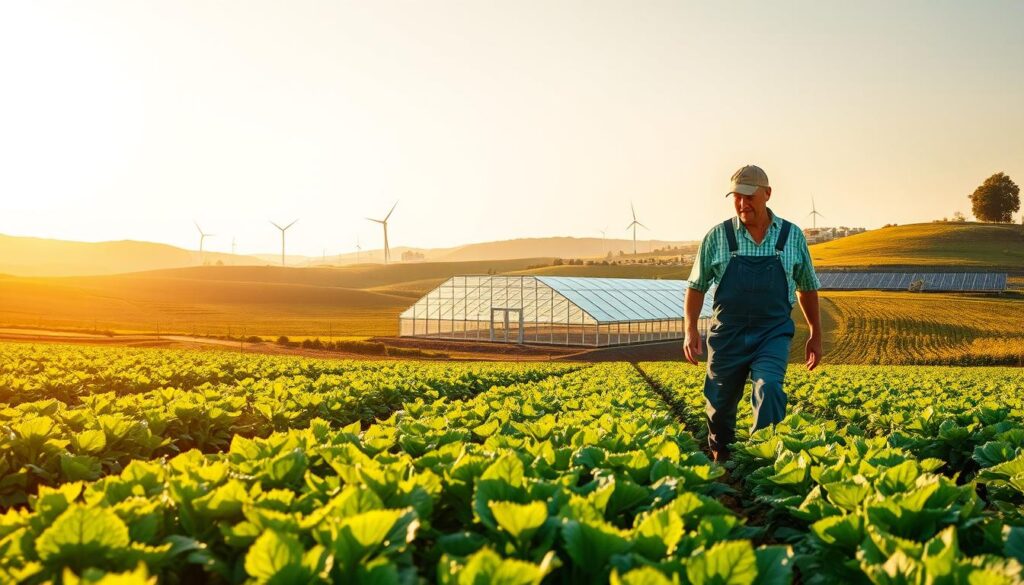
As the global population is projected to reach 8 billion by 2025, the need for sustainable agricultural practices has never been more pressing. Climate-Smart Agriculture (CSA) emerges as a vital approach, aiming to enhance agricultural productivity, resilience to climate change, and reduce greenhouse gas emissions.
CSA is not just a concept; it’s a necessity for ensuring food security in the face of climate uncertainty. By leveraging cutting-edge technologies, CSA can help farmers adapt to climate change, improve crop yields, and contribute to a more sustainable food system.
Key Takeaways
- CSA is crucial for achieving food security by 2025.
- Technologies play a pivotal role in shaping the future of CSA.
- CSA helps in reducing greenhouse gas emissions from agricultural activities.
- Enhanced agricultural productivity is a key objective of CSA.
- CSA promotes resilience to climate change.
What is Climate-Smart Agriculture?
As the world grapples with the challenges of climate change, Climate-Smart Agriculture emerges as a vital strategy for sustainable farming. Climate-Smart Agriculture (CSA) is an integrated approach that aims to address the impacts of climate change on agriculture.
Definition and Core Principles
CSA is built around three core pillars: sustainably increasing agricultural productivity, adapting to climate change, and reducing greenhouse gas emissions. Sustainable productivity involves improving crop yields and farm incomes while maintaining the health of the natural resource base. Adapting to climate change requires farmers to adopt practices that help them cope with changing weather patterns and increased frequency of extreme weather events. Reducing greenhouse gas emissions involves implementing practices that minimize the carbon footprint of farming.
| Core Principles | Description | Benefits |
|---|---|---|
| Sustainable Productivity | Improving crop yields and farm incomes | Increased food security and farm profitability |
| Adapting to Climate Change | Adopting practices to cope with changing weather patterns | Enhanced resilience to climate-related shocks |
| Reducing Greenhouse Gas Emissions | Minimizing the carbon footprint of farming | Mitigation of climate change impacts |
Historical Development of CSA
The concept of CSA has evolved over time, influenced by various international initiatives and research efforts. The United Nations Framework Convention on Climate Change (UNFCCC) and the Food and Agriculture Organization (FAO) have played significant roles in promoting CSA globally. The historical development of CSA is marked by key milestones, including the introduction of sustainable agricultural practices and the integration of climate change adaptation and mitigation strategies.
The Importance of Climate-Smart Agriculture, Technologies for2025
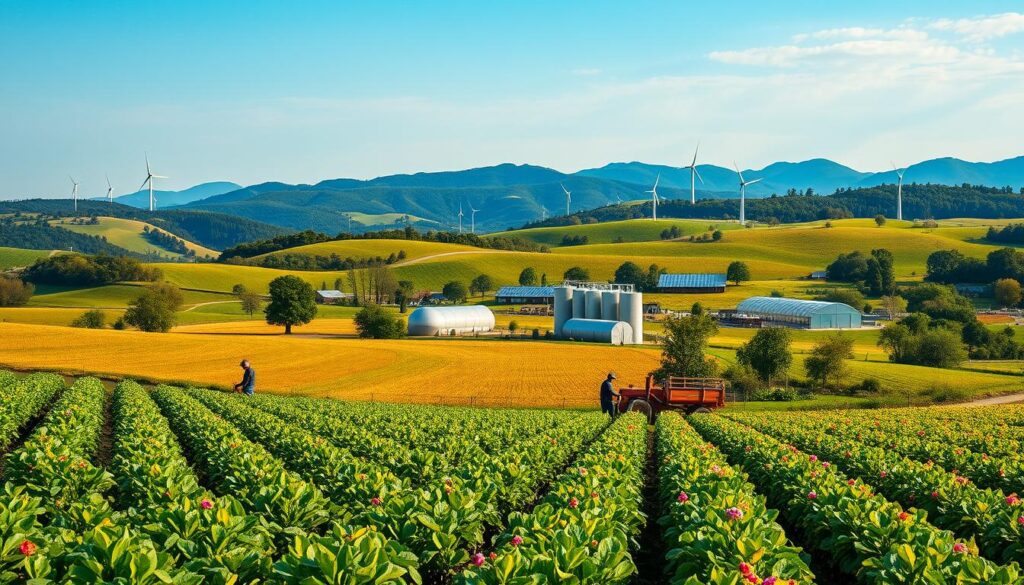
Climate-Smart Agriculture (CSA) is crucial for Pakistan’s agricultural sector as it faces significant challenges due to climate change. The rising temperatures, unpredictable rainfall patterns, and increased frequency of extreme weather events pose substantial threats to agricultural productivity.
Climate Change Impacts on Pakistani Agriculture
Pakistani agriculture is highly vulnerable to climate change. Rising temperatures and changing precipitation patterns affect crop yields and quality. For instance, wheat and rice, major crops in Pakistan, are sensitive to temperature fluctuations, leading to reduced productivity.
The changing climate also exacerbates pest and disease pressures, further threatening agricultural output. Implementing CSA practices can help mitigate these impacts by promoting resilient agricultural practices.
Food Security Challenges
Food security is a significant concern in Pakistan, with a growing population and increasing food demand. Climate change impacts on agriculture directly affect food availability and access. CSA practices, such as conservation agriculture and agroforestry, can enhance food security by improving crop resilience and productivity.
Moreover, CSA promotes efficient water use and soil health, contributing to sustainable food production. By adopting these practices, Pakistan can better ensure food security for its population.
Economic Implications for Farmers
Climate change also has significant economic implications for farmers in Pakistan. Crop failures and reduced yields due to climate-related stresses lead to income losses. CSA practices can help farmers adapt to these changes, improving their resilience and economic stability.
Technologies emerging in 2025, such as precision farming and drought-resistant crop varieties, will play a crucial role in enhancing CSA practices. These innovations can help farmers reduce costs, improve productivity, and increase their incomes.
In conclusion, the importance of Climate-Smart Agriculture in Pakistan cannot be overstated. By addressing climate change impacts, food security challenges, and economic implications for farmers, CSA practices and emerging technologies can significantly contribute to sustainable agricultural development.
Key Technologies Transforming CSA
CSA is leveraging various technologies to address the challenges posed by climate change. The integration of these technologies is crucial for enhancing productivity, sustainability, and resilience in agricultural practices.
Precision Farming and IoT Applications
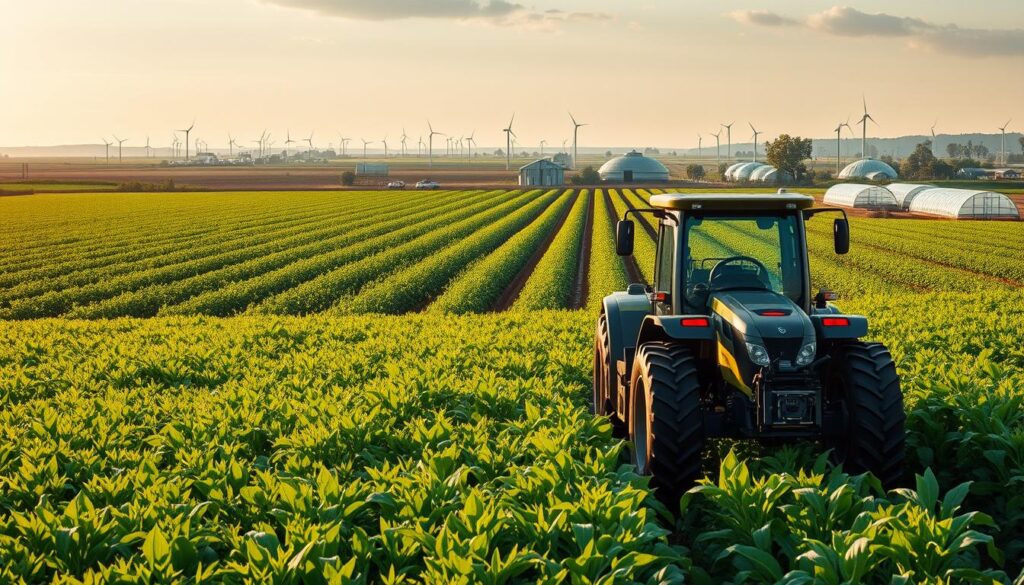
Precision farming, enabled by IoT devices and data analytics, allows for more efficient use of resources. This approach involves the use of advanced technologies such as smart sensors and monitoring systems to collect real-time data on soil moisture, temperature, and crop health.
Smart Sensors and Monitoring Systems
Smart sensors play a vital role in precision farming by providing accurate and timely data. This information helps farmers make informed decisions, reducing the risk of crop failure and improving yields.
Data Analytics for Farm Management
Data analytics is another critical component of precision farming. By analyzing data collected from various sources, farmers can optimize irrigation, fertilization, and pest control, leading to more efficient farm management.
Drought-Resistant Crop Varieties
Developing drought-resistant crop varieties is a significant technological advancement in CSA. These crops are bred to thrive in water-scarce conditions, reducing the vulnerability of farmers to drought.
“The development of drought-resistant crops is a game-changer for farmers in water-stressed regions. It not only enhances food security but also improves the livelihoods of farming communities.” – Dr. Jane Smith, Crop Scientist
Water Management Innovations
Innovative water management systems are crucial for CSA. Techniques such as drip irrigation and rainwater harvesting help conserve water, reducing the environmental impact of farming.
| Water Management Technique | Description | Benefits |
|---|---|---|
| Drip Irrigation | Delivers water directly to the roots of plants | Reduces water waste, improves crop health |
| Rainwater Harvesting | Collects and stores rainwater for irrigation | Conserves water, reduces reliance on groundwater |
Renewable Energy Integration in Farming
The integration of renewable energy sources, such as solar and wind power, is transforming farming practices. Renewable energy can power irrigation systems, reducing reliance on fossil fuels and lowering carbon emissions.
- Reduces carbon footprint
- Lowers energy costs
- Enhances energy security
Implementing CSA Practices in Pakistan
Implementing Climate-Smart Agriculture (CSA) practices in Pakistan is crucial for addressing the country’s climate-related challenges. Pakistan faces diverse climate conditions, ranging from arid regions to flood-prone areas, making it essential to adopt region-specific CSA practices.
Region-Specific Approaches
Different regions in Pakistan require tailored CSA strategies to address their unique climate-related challenges. For instance, arid regions need practices that conserve water and enhance drought tolerance.
Adaptations for Arid Regions
In arid regions, CSA practices such as drought-resistant crop varieties and efficient irrigation systems can significantly improve crop yields. For example, the use of mulching and conservation tillage can help retain soil moisture.
Solutions for Flood-Prone Areas
In flood-prone areas, CSA practices focus on flood-tolerant crop varieties and improved drainage systems. Techniques such as raised bed cultivation can help reduce crop damage during floods.
Success Stories and Case Studies
Several CSA initiatives have shown promising results in Pakistan. For example, a project in Punjab demonstrated the effectiveness of precision farming in improving wheat yields. Another initiative in Sindh showcased the benefits of climate-resilient agriculture practices in enhancing farmer incomes.
These success stories highlight the potential of CSA practices to transform Pakistan’s agricultural sector, making it more resilient to climate change. By adopting region-specific CSA approaches, Pakistan can ensure food security and sustainable agricultural development.
Benefits of Climate-Smart Agriculture
The benefits of Climate-Smart Agriculture are multifaceted, ranging from environmental to economic advantages. By adopting CSA practices, farmers can contribute to a more sustainable environment, improve their livelihoods, and enhance community resilience to climate change.
Environmental Sustainability
CSA promotes environmental sustainability by reducing greenhouse gas emissions and conserving natural resources. Practices such as crop rotation, organic farming, and efficient water use not only improve soil health but also contribute to a healthier ecosystem.
Economic Advantages for Farmers
Adopting CSA can lead to significant economic advantages for farmers. By improving crop yields and reducing losses due to climate-related stresses, farmers can increase their income. Additionally, CSA practices can help farmers access new markets and premium prices for sustainably produced crops.
Social and Community Benefits
CSA also brings about social and community benefits. By enhancing food security and improving the livelihoods of farming communities, CSA contributes to more resilient and cohesive communities. Furthermore, the adoption of CSA practices can empower farmers, especially women, by providing them with the knowledge and skills needed to adapt to climate change.
Challenges and Policy Recommendations
The journey towards adopting Climate-Smart Agriculture (CSA) practices in Pakistan is fraught with challenges that require immediate attention and strategic planning. Despite its potential to enhance agricultural productivity and resilience, CSA faces several barriers that need to be addressed.
Barriers to CSA Adoption
The adoption of CSA in Pakistan is hindered by various obstacles. These include financial constraints, knowledge and technical gaps, and institutional challenges.
Financial Constraints
Farmers often lack the financial resources needed to invest in CSA technologies and practices. Access to credit and financial services is crucial for overcoming this barrier.
Knowledge and Technical Gaps
There is a significant need for training and capacity building among farmers and agricultural professionals to effectively implement CSA practices. Extension services and technical assistance can play a vital role in bridging this gap.
Institutional Challenges
Institutional challenges, including policy and regulatory frameworks, can impact the adoption of CSA. Coordination among government agencies and stakeholders is essential for creating an enabling environment.
| Challenge | Description | Potential Solution |
|---|---|---|
| Financial Constraints | Lack of access to financial resources | Microfinance and subsidies |
| Knowledge and Technical Gaps | Insufficient training and capacity | Training programs and extension services |
| Institutional Challenges | Policy and regulatory issues | Policy reform and coordination |
Policy Framework for Future Growth
To support the future growth of CSA, a comprehensive policy framework is necessary. This includes government incentives and international collaboration.
Government Incentives
Government incentives, such as subsidies and tax breaks, can encourage farmers to adopt CSA practices. Targeted support programs can help in overcoming initial barriers.
International Collaboration
International collaboration can facilitate the exchange of knowledge, technology, and resources. Partnerships with international organizations can enhance the capacity for CSA adoption in Pakistan.
Conclusion
Climate-Smart Agriculture has emerged as a vital strategy for addressing the challenges posed by climate change, particularly in countries like Pakistan where agriculture is a significant sector of the economy.
The importance of CSA lies in its ability to promote sustainable agricultural practices, enhance food security, and improve the livelihoods of farmers.
By leveraging key technologies such as precision farming, drought-resistant crop varieties, and water management innovations, farmers can increase crop yields, reduce losses, and contribute to a more sustainable food future.
The future outlook for CSA in Pakistan is promising, with potential for growth and development through continued innovation, policy support, and international cooperation.
To fully realize the benefits of CSA, it is essential to address the challenges and barriers to adoption, including limited access to finance, technology, and training.
By working together, governments, farmers, and other stakeholders can promote the adoption of CSA practices, ensuring a more sustainable and food-secure future for Pakistan.