Table of Contents
Pakistan’s manufacturing sector has been a significant contributor to the country’s economy, but it has been facing a decline in recent years.
The sector’s growth rate has been slowing down, affecting the overall economic development of the country.
Several factors have contributed to this decline, including energy shortages, lack of investment, and inefficient production processes.
Key Takeaways
- The manufacturing sector is a crucial part of Pakistan’s economy.
- The sector has been facing a decline in growth rate.
- Energy shortages and lack of investment are major contributors to the decline.
- Inefficient production processes also affect the sector’s performance.
- Addressing these challenges is essential for the sector’s revival.
Overview of Pakistan’s Manufacturing Sector
As a significant contributor to Pakistan’s GDP, the manufacturing sector is crucial for the country’s economic stability. The sector has historically played a vital role in providing employment opportunities and driving economic growth.
Significance of Manufacturing in the Economy
The manufacturing sector is a backbone of Pakistan’s economy, contributing around 12% to the country’s GDP. It provides direct employment to approximately 15% of the labor force and indirectly supports a much larger population through its supply chain and related industries.
Key contributions of the manufacturing sector include:
- Employment generation
- Value addition to raw materials
- Earnings of foreign exchange through exports
- Stimulating economic growth
Current Statistics on Manufacturing Performance
Recent statistics indicate a slowdown in Pakistan’s manufacturing sector. The growth rate of large-scale manufacturing (LSM) has been declining, with a growth rate of around 3% in the last fiscal year, down from 5% in the previous year. This decline is attributed to various factors, including energy shortages, rising production costs, and global economic trends.
Some key statistics highlighting the current state of manufacturing in Pakistan are:
- The manufacturing sector’s contribution to GDP has remained stagnant at around 12% over the past few years.
- Employment in the manufacturing sector has seen a slight decrease due to automation and economic slowdown.
- Export earnings from manufacturing goods have faced challenges due to global competition and trade policies.
Factors Contributing to Decline in Manufacturing
The manufacturing industry in Pakistan is facing a multitude of challenges that are hindering its growth. Several factors have intertwined to create a complex situation that affects the overall performance of the sector.
Economic Instability and Inflation
Economic instability is a significant factor contributing to the decline in manufacturing. Inflation has been on the rise, increasing the cost of production and making it difficult for manufacturers to maintain profitability. The rising costs of raw materials and labor have further exacerbated the situation.
Inflation not only affects the cost of production of manufacturing but also impacts consumer demand. As prices rise, consumers may reduce their spending, leading to decreased demand for manufactured goods.
Energy Crisis Impacting Production
Pakistan has been facing an energy crisis for several years, which has had a devastating impact on the manufacturing sector. High energy costs are a significant burden for manufacturers, making it challenging for them to compete in both domestic and international markets.
The energy crisis has resulted in frequent power outages and gas shortages, disrupting production and leading to increased costs due to the need for alternative energy sources.
for further information please watch this video https://www.youtube.com/watch?v=LpdfMpVbqc8
Trade Policies and Tariff Issues
Trade policies and tariff structures also play a crucial role in the decline of the manufacturing sector. Industrial policy issues, such as high tariffs on imported raw materials, can increase production costs and make it difficult for local manufacturers to compete with international competitors.
Furthermore, complex regulatory frameworks and bureaucratic processes can deter investment in the manufacturing sector.
| Factor | Impact on Manufacturing |
|---|---|
| Economic Instability | Increased production costs, reduced consumer demand |
| Energy Crisis | High energy costs, production disruptions |
| Trade Policies | Increased costs due to tariffs, regulatory complexities |
The Role of Global Competition
The rise of global competition for manufacturing has significantly impacted Pakistan’s manufacturing sector, leading to a decline in industrial output. As the world becomes more interconnected, Pakistan’s industries are facing stiff competition from neighboring countries and global players.
Comparison with Neighboring Countries
Pakistan’s manufacturing sector is often compared to that of its neighboring countries, such as India, China, and Bangladesh. These countries have made significant strides in industrial development, leveraging factors like lower labor costs, government incentives, and strategic trade agreements.
A comparison of key manufacturing indicators among these countries reveals some interesting insights:
| Country | Manufacturing as % of GDP | Average Annual Growth Rate |
|---|---|---|
| Pakistan | 12.5% | 3.2% |
| India | 16.8% | 5.5% |
| China | 29.4% | 6.8% |
| Bangladesh | 17.2% | 6.2% |
As shown in the table, Pakistan lags behind its neighbors in terms of manufacturing as a percentage of GDP and average annual growth rate. This disparity highlights the need for Pakistan to reassess its competitive advantages and develop strategies to boost its manufacturing sector.
Influence of Global Supply Chains
Global supply chains play a crucial role in the manufacturing sector, and Pakistan’s integration into these chains is vital for its industrial growth. However, the country’s inability to effectively participate in global supply chains has contributed to its industrial slowdown.
Key challenges include:
- Limited access to technology and innovation
- Inadequate infrastructure, including transportation and logistics
- Trade policies that hinder the free flow of goods and services
Addressing these challenges is essential for Pakistan to become a competitive player in the global manufacturing landscape.
Challenges Faced by Local Manufacturers
Local manufacturing in Pakistan are confronted with a multitude of challenges that hinder their growth and competitiveness. These challenges are multifaceted, affecting various aspects of their operations.
Access to Financing and Investment
One of the significant hurdles faced by local manufacturing is accessing financing and investment. The lack of adequate financial resources restricts their ability to modernize equipment, expand production capacity, and adopt new technologies. Industrial policy issues often exacerbate this problem by not providing sufficient incentives or support for manufacturers to secure funding.
For instance, high interest rates and stringent loan conditions make it difficult for small and medium-sized enterprises (SMEs) to obtain loans from financial institutions. This limitation hinders their growth and ability to compete with larger corporations.
Technological Deficiencies
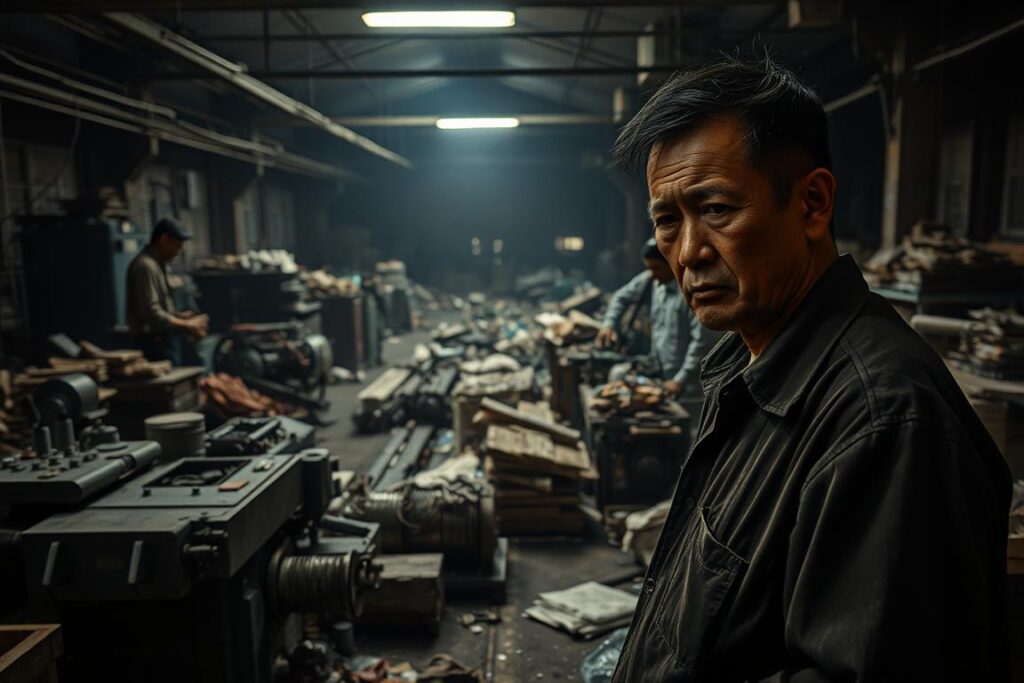
Technological deficiencies are another major challenge for manufacturing. Outdated machinery and lack of technological advancements result in lower productivity and higher production costs. The high energy costs associated with operating outdated equipment further burden manufacturers, making their products less competitive in both domestic and international markets.
Investing in modern technology is crucial for improving efficiency and reducing costs. However, the initial investment required for upgrading technology is often prohibitively expensive for many local manufacturers.
Workforce Skill Gaps
Workforce skill gaps represent a significant challenge for local manufacturers. The lack of skilled workers in areas such as machinery operation, maintenance, and management hampers productivity and efficiency. There is a need for training programs that can bridge this gap and equip the workforce with the necessary skills to support modern manufacturing processes.
| Challenge | Impact | Potential Solution |
|---|---|---|
| Access to Financing | Limited ability to modernize and expand | Reformed industrial policies, easier loan conditions |
| Technological Deficiencies | Lower productivity, higher costs | Investment in modern technology |
| Workforce Skill Gaps | Reduced efficiency, lower quality products | Training and development programs |
Government Policies Impacting Manufacturing
Government policies play a crucial role in shaping the manufacturing landscape in Pakistan. The impact of these policies can be seen in various aspects of the industry, from production costs to investment incentives.
Recent Legislative Changes
Recent legislative changes have aimed to support the manufacturing sector through deregulation and tax reforms. For instance, the government has introduced policies to simplify the tax structure, reducing the compliance burden on manufacturers.
Simplification of tax structures and reduction in compliance costs are expected to encourage investment in the manufacturing sector. However, the effectiveness of these changes depends on their implementation and the overall business environment.
Incentives and Support Programs
The government has also launched various incentives and support programs to boost manufacturing in Pakistan. These include tax holidays, subsidies, and investment promotion initiatives.
- Tax holidays for new industries in specific sectors
- Subsidies for energy-intensive industries
- Investment promotion through special economic zones
These programs are designed to attract domestic and foreign investment, enhance competitiveness, and stimulate growth in the manufacturing sector.
However, the success of these incentives depends on factors like the ease of access to these programs, the transparency of the application process, and the overall stability of the economic environment.
Effects of Declining Manufacturing on Employment
The decline in Pakistan’s manufacturing sector has led to significant job losses, exacerbating unemployment rates across the country. As the industrial slowdown continues, the effects on employment are becoming more pronounced.
Job Losses and Unemployment Rates
The manufacturing sector is a significant employer in Pakistan, and its decline has resulted in substantial job losses. According to recent trends, the unemployment rate has seen a notable increase, affecting the overall economic stability of the country. High energy costs have further compounded the issue, making it difficult for manufacturers to maintain their workforce.
The impact on employment is not limited to the manufacturing sector alone; it also affects related industries and services. As production decreases, the demand for supporting services such as logistics and maintenance also declines, leading to additional job losses.
Regional Impacts on Communities for manufacturing
The decline in manufacturing has regional disparities in its impact, with some areas being more affected than others. Regions with a high concentration of manufacturing units are experiencing significant economic distress, leading to community-wide effects.
Local businesses suffer as the demand for goods and services decreases, resulting in a ripple effect throughout the community. This not only affects employment but also impacts the overall quality of life for residents in these regions.
| Region | Unemployment Rate (%) | Job Losses (Recent Year) |
|---|---|---|
| Punjab | 6.5 | 120,000 |
| Sindh | 7.2 | 90,000 |
| Khyber Pakhtunkhwa | 8.1 | 50,000 |
The table above illustrates the regional variations in unemployment rates and job losses, highlighting the need for targeted interventions to support affected communities.
Strategies for Revitalizing Manufacturing
To regain its competitive edge, Pakistan’s manufacturing industry must focus on integrating cutting-edge technology and fostering innovation. The manufacturing sector’s revitalization is crucial for the country’s economic growth and job creation.
Revitalizing the manufacturing sector involves several key strategies. First, there is a need to emphasize innovation and technology. This can be achieved through:
Emphasizing Innovation and Technology
- Investing in research and development to create new products and processes.
- Adopting Industry 4.0 technologies such as automation, artificial intelligence, and the Internet of Things (IoT) to enhance productivity.
- Encouraging startups and small businesses to innovate and develop new manufacturing technologies.
By focusing on innovation and technology, Pakistan’s manufacturing sector can improve its competitiveness in the global market. For instance, the adoption of automation can significantly reduce production costs and enhance product quality.
Developing Skills for the Future Workforce
Another critical strategy is developing the skills of the future workforce. This involves:
- Implementing vocational training programs that focus on emerging technologies.
- Collaborating with educational institutions to develop curricula that meet the needs of the manufacturing industry.
- Providing continuous learning opportunities for workers to upgrade their skills.
A skilled workforce is essential for the adoption and effective use of new technologies in manufacturing. By investing in workforce development, Pakistan can ensure that its manufacturing sector remains competitive and adaptable to changing global demands.
Key benefits of these strategies include improved productivity, enhanced competitiveness, and the creation of high-skilled jobs.
Case Studies of Successful Manufacturing Revivals
The revival of manufacturing sectors in various countries offers valuable lessons for Pakistan as it navigates its current industrial challenges. By examining case studies of successful manufacturing revivals worldwide, Pakistan can identify strategies to mitigate high energy costs and industrial decline.
Lessons from Other Nations
Several countries have successfully revitalized their manufacturing sectors, providing insights that can be applied to Pakistan’s situation. For instance, Germany’s “Industrie 4.0” initiative has been instrumental in promoting digitalization and smart manufacturing, helping to maintain its competitive edge in the global market.
Another example is South Korea, which has focused on investing heavily in technology and innovation to boost its manufacturing sector. This strategic approach has enabled South Korea to become a global leader in electronics and automotive manufacturing.
| Country | Strategy | Outcome |
|---|---|---|
| Germany | Industrie 4.0 (Digitalization and Smart Manufacturing) | Maintained competitive edge in global market |
| South Korea | Heavy investment in technology and innovation | Became global leader in electronics and automotive manufacturing |
Examples from Pakistan’s Own History
Pakistan has also experienced periods of manufacturing growth, offering valuable lessons for current industrial revitalization efforts. In the 1980s, Pakistan’s manufacturing sector saw significant growth due to government policies that encouraged investment and provided support for local industries.
More recently, the Pakistan Textile Exporters Association has worked to improve the textile industry’s competitiveness through initiatives such as energy-efficient manufacturing and export promotion. These efforts have contributed to the industry’s resilience in the face of global competition.
Key Takeaways:
- Investment in technology and innovation is crucial for manufacturing growth.
- Government policies and support can significantly impact industrial development.
- Energy-efficient manufacturing can help mitigate high energy costs.
Future Outlook for Manufacturing in Pakistan
The manufacturing sector in Pakistan is poised for a potential turnaround, driven by efforts to address the challenges that have contributed to its decline. As the country navigates the complexities of economic instability and global competition, there are opportunities for growth and development in the manufacturing Pakistan industry.
Industry Recovery Predictions
Experts predict that with the right policies and investments, the Pakistan manufacturing decline trend can be reversed. Initiatives focusing on improving energy infrastructure, enhancing trade policies, and providing support to local manufacturers are expected to play a crucial role in industry recovery.
Growth Areas
Key areas for growth include adopting innovative technologies, developing a skilled workforce, and improving access to financing for manufacturers. By focusing on these areas, Pakistan can revitalize its manufacturing sector and enhance its global competitiveness.
Read more articale on this website https://agriculture111.com