Table of Contents
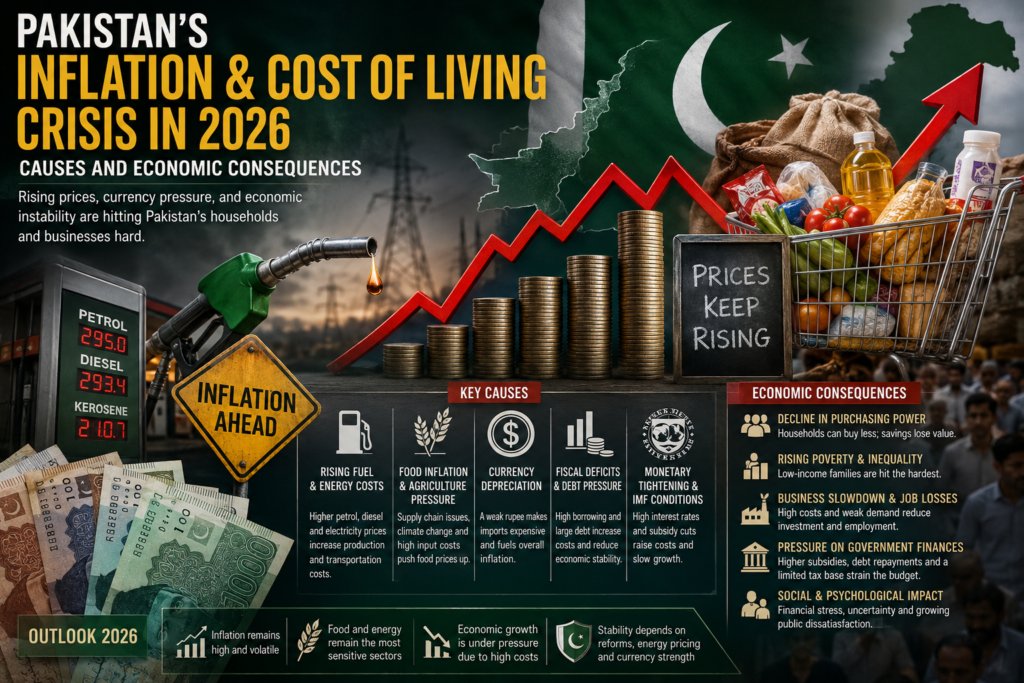
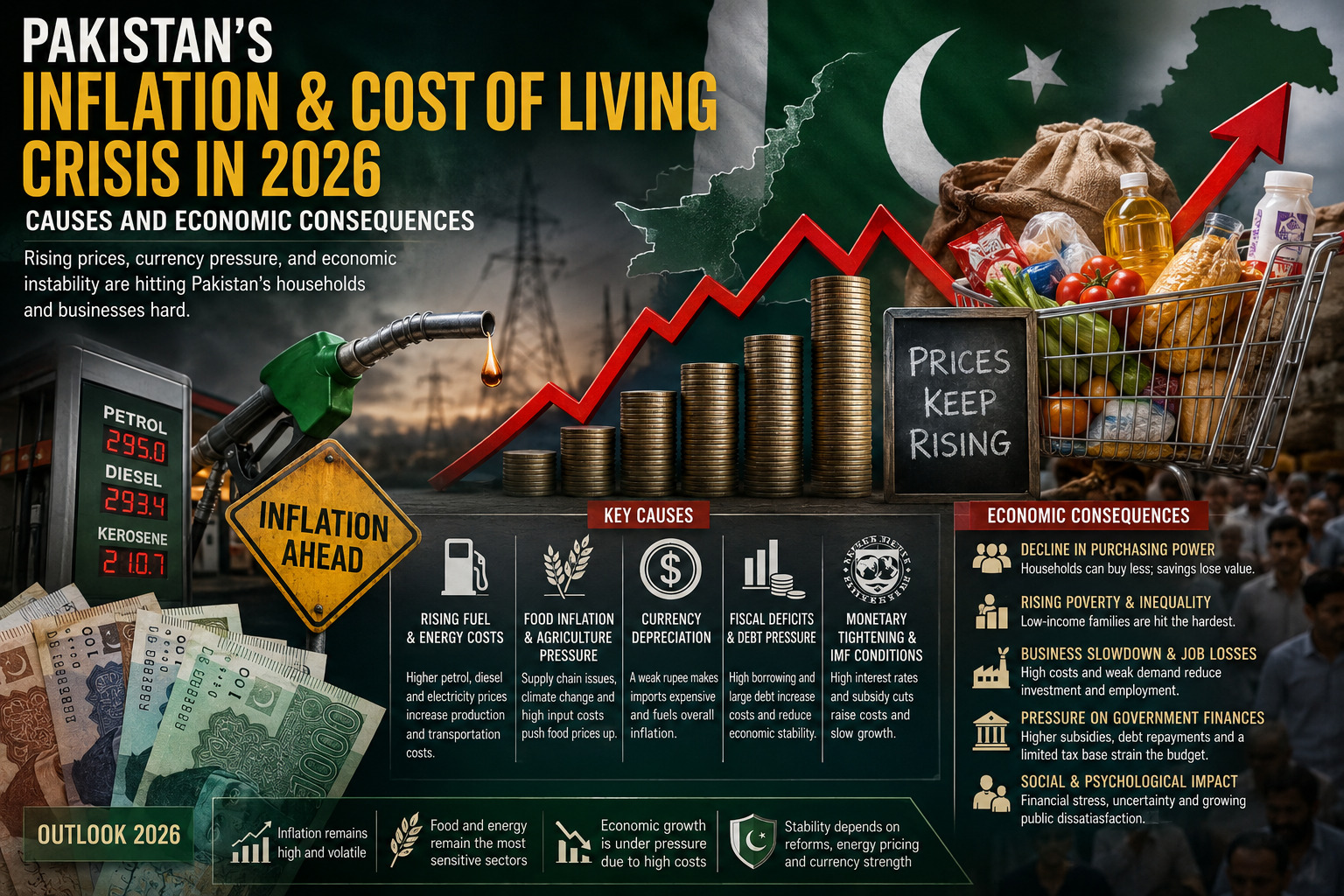
The cost of living in Pakistan has reached alarming levels, with inflation rates soaring to historic highs. The recent surge in prices has left many citizens struggling to afford basic necessities.
The Pakistan inflation crisis is not just an economic issue, but a humanitarian concern, affecting the most vulnerable populations. As the prices continue to rise, the standard of living for many is deteriorating.
Key Takeaways
- The inflation rate in Pakistan has reached unprecedented levels.
- The cost of living crisis is affecting the most vulnerable populations.
- The economic consequences of the crisis are far-reaching.
- The government is under pressure to implement policies to mitigate the effects.
- The situation requires immediate attention and action.
Understanding the Current State of Pakistan’s Economy
As inflation continues to rise, Pakistan’s economy is experiencing a period of instability, affecting the purchasing power of its citizens. This section aims to provide an in-depth look at the current economic landscape and key indicators that are crucial in understanding the broader implications of inflation.
Overview of Pakistan’s Economic Landscape
Pakistan’s economy is a complex mix of various sectors, including agriculture, manufacturing, and services. The country has been facing economic challenges, with inflation being a major concern. The rising prices of essential goods and services have led to a decrease in the purchasing power of the average citizen.
The economic landscape is further complicated by factors such as currency devaluation and supply chain disruptions, which contribute to the overall inflationary pressure. Understanding these dynamics is crucial for grasping the full extent of the economic situation.
Key Economic Indicators
Several key economic indicators provide insight into the current state of Pakistan’s economy. These include the inflation rate, GDP growth rate, and unemployment rate. The inflation rate, in particular, is a critical indicator, as it directly affects the cost of living and the purchasing power of consumers.
| Economic Indicator | Current Rate | Previous Rate |
|---|---|---|
| Inflation Rate | 12.5% | 11.2% |
| GDP Growth Rate | 4.2% | 4.5% |
| Unemployment Rate | 6.1% | 5.9% |
These indicators suggest that while there is some growth in the economy, as indicated by the GDP growth rate, the rising inflation and unemployment rates pose significant challenges. The inflation rate has increased, indicating rising prices and decreased purchasing power.
The Causes of Inflation in Pakistan
Understanding the causes of inflation in Pakistan requires examining the interplay between supply chain issues, currency devaluation, and global economic trends. These factors collectively contribute to the rising cost of living and food inflation, affecting the overall economy.
for more information watch this video https://www.youtube.com/watch?v=cCd8tA-ak7o
Supply Chain Disruptions
Supply chain disruptions play a significant role in exacerbating inflation in Pakistan. Issues such as transportation bottlenecks, logistical challenges, and delays in the delivery of essential goods contribute to scarcity, driving prices up.
For instance, during the COVID-19 pandemic, global supply chains were severely impacted, leading to increased costs for imports and, consequently, higher prices for consumers in Pakistan.
Currency Devaluation
Currency devaluation is another critical factor contributing to inflation in Pakistan. As the Pakistani rupee depreciates against major currencies like the US dollar, the cost of imports increases. This is particularly significant for a country that relies heavily on imported goods, including food items and raw materials.
The impact of currency devaluation on inflation can be seen in the rising prices of imported goods, which are then passed on to consumers.
| Year | Currency Value (PKR/USD) | Inflation Rate (%) |
|---|---|---|
| 2020 | 160 | 10.2 |
| 2021 | 175 | 12.1 |
| 2022 | 200 | 14.5 |
Global Economic Factors
Global economic factors also have a significant impact on inflation in Pakistan. Trends such as global commodity price fluctuations, international trade policies, and economic conditions in major trading partner countries can influence domestic prices.
For example, an increase in global oil prices can lead to higher transportation costs, which in turn affect the prices of goods and services in Pakistan.
The combination of these factors creates a challenging economic environment, characterized by rising prices and an increased cost of living. Understanding these causes is crucial for developing effective policies to mitigate the impact of inflation on the economy and households.
The Impact of Inflation on Everyday Life
Pakistan’s inflation crisis is not just an economic problem; it’s a daily reality for its citizens. The effects of inflation are far-reaching, impacting various aspects of everyday life.
Rising Prices of Essential Goods
The prices of essential goods such as food, fuel, and medicine have seen a significant surge. This increase is largely due to supply chain disruptions, currency devaluation, and global economic factors.
The most affected are the daily essentials like wheat, rice, and vegetables, which are now becoming unaffordable for many. As a result, households are finding it challenging to maintain their standard of living.
Increased Cost of Living
The increased cost of living is another critical issue. As inflation rises, the purchasing power of the average Pakistani citizen diminishes. This means that the same amount of money can buy fewer goods and services than it could before.
As noted by a recent report, “The erosion of purchasing power due to inflation has severe implications for the standard of living, particularly for those on fixed incomes or with limited financial resources.”
The Impact on Families and Households
Families and households are at the forefront of the inflation crisis. With the rising costs of essentials, many are forced to make difficult choices between spending on food, healthcare, or education.
- The burden often falls disproportionately on women, who manage household budgets and make ends meet.
- Children are also affected, as families may have to cut back on educational expenses or nutrition.
As one household head poignantly put it, “It’s like running on a treadmill and getting nowhere; our expenses keep rising, but our income doesn’t.”
Government Policies and Responses
To mitigate the effects of inflation on everyday life, the Pakistani government has rolled out several policy initiatives aimed at stabilizing the economy and reducing the cost of living.
Monetary Policy Measures
The State Bank of Pakistan has employed various monetary policy tools to control inflation. These include adjusting interest rates to manage liquidity and curb price increases. Raising interest rates can help reduce borrowing and spending, thus cooling down the economy and mitigating inflationary pressures.
Additionally, the central bank has taken measures to stabilize the currency, which is crucial in controlling imported inflation. By managing the exchange rate and ensuring adequate foreign exchange reserves, the government aims to reduce the pressure on the Pakistani rupee.
Fiscal Spending Initiatives
On the fiscal front, the government has introduced spending initiatives aimed at supporting low-income households and vulnerable segments of the population. These include subsidies on essential goods and services, as well as targeted cash transfer programs.
Furthermore, investments in infrastructure and social programs are being prioritized to stimulate economic growth and improve living standards. By enhancing public services and creating jobs, the government hopes to offset some of the negative impacts of inflation.
Challenges in Implementation
Despite these efforts, the government faces significant challenges in implementing its policies effectively. Corruption and inefficiencies in the bureaucracy can hinder the delivery of subsidies and support programs, reducing their impact.
Moreover, the government must balance its fiscal policies with the need to maintain macroeconomic stability. Excessive spending can lead to further inflation, while overly stringent measures might dampen economic growth.
For more insights on how inflation affects different sectors, visit our section on Inflation’s Effects on Different Sectors.
The Role of International Organizations
As Pakistan grapples with the issue of inflation, international organizations have stepped in to provide financial assistance and strategic guidance. The involvement of these organizations is crucial in helping the country stabilize its economy and mitigate the adverse effects of inflation on its citizens.
Aid from the International Monetary Fund (IMF)
The IMF has been a significant source of financial support for Pakistan, providing loans and grants to help manage the economic crisis. The aid from the IMF is aimed at stabilizing the currency, reducing inflation, and improving the overall economic stability.
- Financial assistance to support the balance of payments
- Policy advice to implement structural reforms
- Technical assistance to enhance economic management
Support from the World Bank
The World Bank has also played a vital role in supporting Pakistan’s economy through various development projects and financial assistance. The support focuses on improving infrastructure, enhancing human development, and promoting economic growth.
| Project | Objective | Impact |
|---|---|---|
| Infrastructure Development | Improve transportation networks | Enhanced connectivity and economic activity |
| Human Development | Increase access to education and healthcare | Better human capital and productivity |
Regional Economic Cooperation
Regional economic cooperation is another critical aspect of international support for Pakistan. Organizations such as the South Asian Association for Regional Cooperation (SAARC) and the Economic Cooperation Organization (ECO) work towards enhancing economic ties among member states, promoting trade, and improving economic stability in the region.
The combined efforts of international organizations are crucial in helping Pakistan address its inflation crisis. By providing financial aid, policy guidance, and technical assistance, these organizations play a vital role in stabilizing the economy and improving the living standards of the Pakistani people.
Inflation’s Effects on Different Sectors
Inflation in Pakistan is not just a monetary issue; it’s impacting diverse sectors of the economy. As prices rise, various industries face unique challenges that affect the overall economic landscape.
Agriculture and Food Security
The agricultural sector is particularly vulnerable to inflation. Rising input costs, such as fertilizers and seeds, increase the cost of production. This can lead to higher food prices, affecting food security, especially for low-income households.
- Increased cost of inputs like seeds and fertilizers
- Higher transportation costs due to fuel price hikes
- Potential decrease in crop yields due to water scarcity and climate change
Manufacturing and Industry
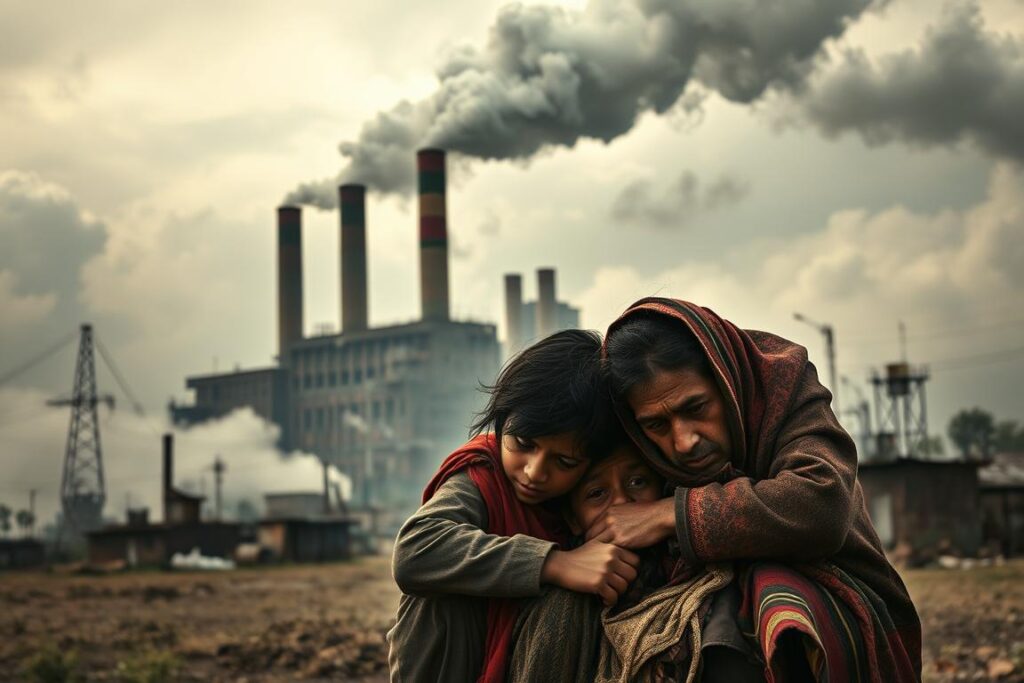
The manufacturing sector faces challenges due to rising raw material costs and decreased demand as consumers become more price-sensitive. This can lead to reduced production levels and potential job losses.
- Rising costs of raw materials
- Decreased consumer demand
- Potential for factory closures and job losses
Services and Employment
The services sector, including hospitality and IT, is also impacted by inflation. As the cost of living rises, consumers may cut back on discretionary spending, affecting service industry jobs.
- Reduced consumer spending on services
- Increased operational costs for service providers
- Potential job losses in the sector
As inflation continues to affect various sectors, understanding these impacts is crucial for developing effective economic policies.
The Ripple Effect: Social Consequences of Inflation
Pakistan’s escalating inflation has far-reaching consequences that extend beyond economic metrics to impact societal well-being. The erosion of purchasing power and the rising cost of living due to inflation in Pakistan affect the population’s daily lives, leading to significant social issues.
Increase in Poverty Rates
One of the most immediate social consequences of inflation is the increase in poverty rates. As prices rise, the same amount of money can buy fewer goods and services, reducing the standard of living for many families. This is particularly challenging for low-income households, who spend a larger portion of their income on basic necessities.
The increase in poverty rates is not just a short-term issue; it can have long-lasting effects on the economy and society. Children in poverty-stricken households may suffer from malnutrition and lack access to education, perpetuating a cycle of poverty.
Mental Health Impacts
The financial strain caused by inflation can also have profound effects on mental health. The stress of managing household finances on a reduced budget can lead to anxiety and depression. The feeling of losing control over one’s financial situation can be overwhelming, affecting not just individuals but entire families.
Moreover, the uncertainty about the future that comes with high inflation can exacerbate these mental health issues. People may feel insecure about their ability to provide for their families or maintain their standard of living.
Public Unrest and Protests
Inflation can also lead to public unrest and protests. When people feel that their government is not addressing their economic concerns, they may take to the streets. Protests can range from peaceful demonstrations to violent riots, posing a significant challenge to social stability.
The government’s response to such unrest can further complicate the situation. While some may see a heavy-handed approach as necessary to maintain order, others may view it as an infringement on civil liberties, potentially escalating the situation.
Long-Term Economic Consequences of Sustained Inflation
The ongoing inflation crisis in Pakistan necessitates a comprehensive examination of its long-term economic effects. Sustained inflation can have far-reaching implications for economic stability, growth, and the overall well-being of the population.
Forecasting Future Economic Stability
Forecasting future economic stability in the face of sustained inflation requires analyzing various economic indicators, including inflation rates, GDP growth, and employment figures. Accurate forecasting can help policymakers develop strategies to mitigate the adverse effects of inflation.
One key aspect is understanding how inflation affects different sectors of the economy. For instance, food inflation disproportionately impacts low-income households, as a larger portion of their expenditure is on food.
Potential for Economic Reforms
Sustained inflation can prompt economic reforms aimed at stabilizing the economy. These reforms might include monetary policy adjustments, fiscal discipline, and measures to improve supply chain efficiencies.
For example, implementing policies to reduce dependence on imported goods can help mitigate the impact of currency devaluation on inflation. Additionally, investing in agriculture can improve food security and reduce the vulnerability of the economy to food price shocks.
Lessons from Other Countries
Other countries that have faced similar inflation challenges offer valuable lessons. For instance, countries that have successfully managed inflation often have robust monetary policy frameworks and fiscal discipline.
Examining the experiences of countries like Brazil and Argentina, which have faced high inflation rates, can provide insights into effective strategies for managing inflation. These countries have implemented various measures, including inflation targeting and fiscal reforms, to stabilize their economies.
How Inflation Affects Savings and Investments
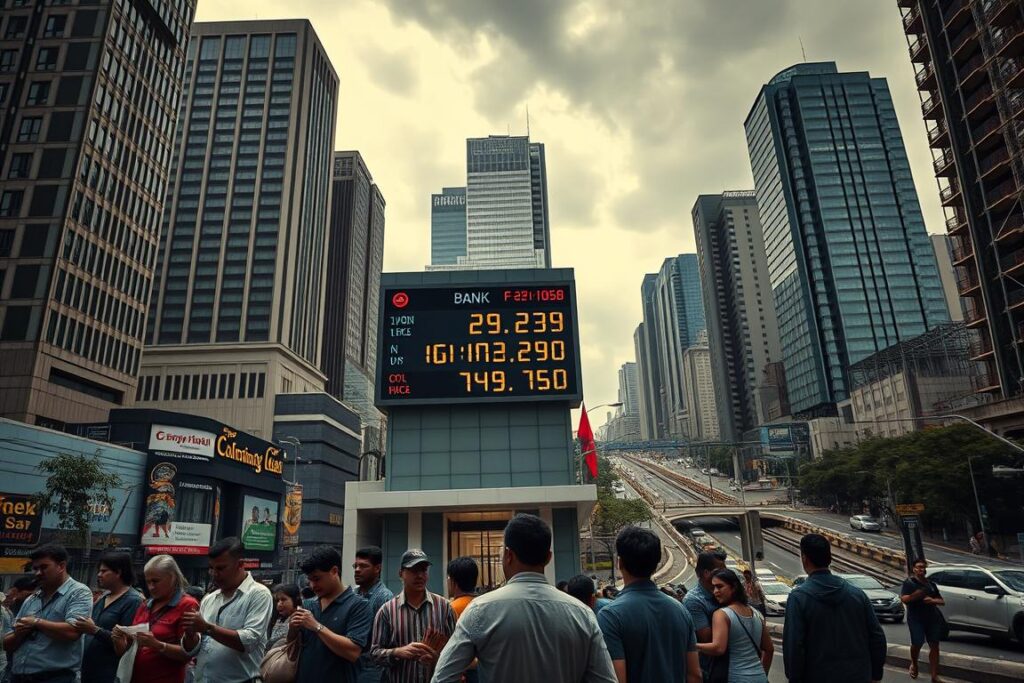
As inflation continues to rise in Pakistan, understanding its effects on savings and investments becomes crucial for financial planning. Inflation not only erodes the purchasing power of money but also influences the overall financial landscape, making it essential for individuals to adapt their savings and investment strategies accordingly.
Impact on Personal Savings
Inflation directly impacts personal savings by reducing the purchasing power of the money saved. As prices rise, the value of the money in savings accounts decreases, unless the interest earned on these savings keeps pace with or exceeds the inflation rate.
For instance, if you have PKR 100,000 in a savings account earning 5% interest, but the inflation rate is 10%, the real value of your savings decreases by 5% because the interest earned doesn’t cover the inflation rate. This means you need to rethink your savings strategy, potentially exploring accounts or instruments that offer returns indexed to inflation.
Strategies to protect savings include:
- Investing in inflation-indexed savings instruments
- Diversifying savings across different asset classes
- Regularly reviewing and adjusting savings goals
Stock Market Reactions
The stock market’s reaction to inflation can be complex. On one hand, inflation can lead to higher revenues for companies due to increased prices, potentially boosting stock prices. On the other hand, high inflation can result in higher interest rates, making borrowing more expensive and potentially dampening economic activity and stock market performance.
In Pakistan, the stock market has shown resilience in the face of inflation, with certain sectors like consumer goods and energy performing well due to their ability to pass on increased costs to consumers. However, sustained high inflation can deter investors if not managed properly.
Real Estate Market Trends
Inflation can have a dual effect on the real estate market. Rising construction costs due to inflation can lead to higher property prices. However, real estate is often seen as a hedge against inflation because property values and rental yields can increase with inflation.
In Pakistan, the real estate market has witnessed significant fluctuations due to various economic factors, including inflation. Investors often turn to real estate as a safe haven during periods of high inflation, driving up prices.
Understanding these dynamics is crucial for making informed investment decisions in the real estate sector during inflationary periods.
Strategies for Individuals to Cope with Inflation
With inflation on the rise, Pakistanis are exploring various methods to safeguard their finances and maintain their standard of living. As the cost of living continues to increase, individuals are looking for effective ways to manage their expenses and protect their financial well-being.
Budgeting Techniques
One of the most effective ways to cope with inflation is by adopting robust budgeting techniques. This involves tracking expenses, prioritizing needs over wants, and allocating resources efficiently.
- Create a detailed budget that accounts for all income and expenses.
- Prioritize essential expenses such as food, housing, and healthcare.
- Reduce discretionary spending on non-essential items.
Alternative Investment Options
Investing wisely is crucial during periods of high inflation. Individuals can consider alternative investment options that historically perform well in inflationary environments.
| Investment Type | Characteristics | Risk Level |
|---|---|---|
| Stocks | Potential for high returns, dividend income | High |
| Real Estate | Tangible asset, rental income | Medium to High |
| Gold | Hedge against inflation, liquidity | Low to Medium |
Community Support Systems
Building and leveraging community support systems can also help individuals cope with the effects of inflation. This includes sharing resources, providing mutual support, and participating in community initiatives.
Community-based initiatives can offer a range of benefits, from emotional support to practical assistance, helping individuals navigate economic challenges.
By adopting these strategies, individuals in Pakistan can better manage the impact of inflation on their lives. It is essential to stay informed, be proactive, and seek support when needed.
The Future of Pakistan’s Economy Amid Inflation
Amidst the rising inflation, Pakistan’s economic future is being shaped by various factors, including government policies and global economic trends. The country’s economic stability is a concern for both local and international stakeholders.
Outlook for Economic Recovery
The outlook for economic recovery in Pakistan is contingent upon effectively managing food inflation and preserving the purchasing power of its citizens. Measures to control inflation are crucial for stabilizing the economy.
Economic recovery will also depend on the government’s ability to implement fiscal and monetary policies that address the current economic challenges. This includes initiatives to boost economic growth and reduce the cost of living.
Innovations and Opportunities
Despite the challenges posed by inflation Pakistan, there are opportunities for innovation and growth. Investing in technology and promoting entrepreneurship can help drive economic development.
Moreover, focusing on sustainable practices and diversifying the economy can create new opportunities for Pakistan’s economic future.
The Role of Youth and Education
The youth of Pakistan play a vital role in shaping the country’s economic future. Education and skill development are key to empowering the younger generation to contribute to economic growth.
By investing in education and vocational training, Pakistan can harness the potential of its youth to drive innovation and economic progress.
Conclusion: Navigating the Inflation Crisis in Pakistan
Pakistan’s inflation crisis is a complex issue, driven by factors such as supply chain disruptions, currency devaluation, and global economic trends. The rising cost of living and prices of essential goods have significantly impacted families and households, exacerbating poverty and social unrest.
Key Takeaways
The main causes of inflation in Pakistan include supply chain issues, currency fluctuations, and external economic factors. The government has implemented monetary and fiscal policies, but challenges persist in effectively managing the crisis. International organizations like the IMF and World Bank have provided crucial support.
Call to Action
To mitigate the effects of inflation, policy makers must continue to refine their strategies, focusing on sustainable economic reforms and social protection programs. Citizens can also play a vital role by adopting budgeting techniques, exploring alternative investments, and supporting community initiatives. Collective efforts are necessary to address the rising cost of living and stabilize the economy, ultimately improving the lives of Pakistan’s citizens amidst the challenges of inflation Pakistan and rising prices.
Read more article please visit our websit https://agriculture111.com