
Table of Contents
As the world’s population grows, a big question emerges: Can the cost of farmland keep up with the demand for food? Global farmland prices have been rising steadily, driven by multiple economic factors and evolving investment patterns.
Agricultural real estate is now seen as a strong and reliable investment option. Global farmland prices are influenced by new technologies, climate change, and shifting consumer preferences.
These trends have significant implications. They affect investors, farmers, and the global food supply, shaping the future outlook of global farmland prices worldwide.
Key Takeaways
- The global farmland market is growing fast, driven by investment and demand for food.
- Things like new technologies and climate change are making farmland more valuable.
- Farmland is becoming a popular investment because of its potential for good returns.
- The rising cost of farmland affects farmers, investors, and food security worldwide.
- It’s important to understand these trends to navigate the future of agricultural real estate.
The Current State of Farmland Prices Global

The global farmland prices show a complex economic scene. As the world’s population grows, so does the need for food. This demand affects the value of farmland.
Recent Price Movements in Major Agricultural Regions
Farmland prices have changed a lot in recent years. In the United States, the Heartland region’s land values have gone up. This is because it’s very productive and in demand for corn and soybeans.
Key Statistics and International Farm Valuation Data
Price Benchmarks Across Continents
Farmland prices differ a lot around the world. In North America, the average price is about $4,100 per acre. In Europe, it’s around $6,400 per hectare.
| Continent | Average Farmland Price |
|---|---|
| North America | $4,100/acre |
| Europe | $6,400/hectare |
| Asia | $2,800/hectare |
Year-over-Year Growth Rates
Farmland prices have grown a lot over the years. Some places in South America have seen growth rates over 15%.
Key growth drivers include:
- Increasing demand for biofuels
- Rising global food demand
- Urbanization and land conversion
These factors make farmland pricing very dynamic. It’s important for investors and policymakers to understand this.
Historical Context: Farmland Price Evolution Over the Past Decades
Understanding farmland prices over the years is key to grasping today’s market trends. The global farmland market has been influenced by many factors. These include economic trends, new technologies, and environmental concerns.
Pre-2000 Trends in Agricultural Land Values
Before 2000, farmland values were shaped by government policies, commodity prices, and interest rates. In the United States, the 1980s saw a drop in farmland values due to an agricultural crisis. The 1990s saw a slow recovery thanks to better commodity prices and lower interest rates.
Farmland values also rose with new technologies. Techniques like precision agriculture made farming more productive and efficient.
Post-2000 Acceleration in Worldwide Farmland Rates
After 2000, farmland rates rose worldwide. This was due to more demand for biofuels, more investment in land, and higher commodity prices. The 2007-2008 global food crisis also played a role, making food security a priority and leading to more land investment.
This led to a price surge in different areas. Knowing these trends helps us understand today’s farmland prices and predict the future.
Regional Analysis of Farmland Prices Global
Understanding regional differences is key to grasping the complexities of the global farmland market. The global agricultural land economy is influenced by many factors. These factors vary significantly across different regions.
United States Market Dynamics
The United States is a significant player in the international cropland pricing landscape. The country’s farmland market is diverse, with different conditions across states.https://www.youtube.com/watch?v=GOClD4XQz9Y
h: The Powerful Rise of Global Farmland Prices in 2025: What Investors Should ExpectMidwest Cropland Premium
The Midwest is known for its fertile soil. It’s often called the “breadbasket” of America. This region commands a premium in farmland prices global due to its high agricultural productivity.
Coastal vs. Interior Price Disparities
There are notable disparities in farmland prices between coastal and interior regions. Coastal areas have higher land values due to urbanization and other factors. This makes their farmland prices higher than interior regions.
Canadian and Mexican Agricultural Land Markets
Canada and Mexico, as neighboring countries with the United States, exhibit different trends in their agricultural land markets. Canada’s vast land and favorable climate make it attractive for farmland investment. This influences the global agricultural land economy.
European Agricultural Land Values
Europe’s agricultural land values are shaped by the Common Agricultural Policy (CAP) and varying national regulations. The region’s farmland prices are also affected by soil quality and proximity to markets.
Asia-Pacific Growth Patterns
The Asia-Pacific region is witnessing significant growth in agricultural land values. This growth is driven by increasing demand for food and changing dietary patterns. Countries like China and India are at the forefront of this trend, impacting farmland prices global.
Emerging Markets in Africa and South America
Africa and South America are emerging as crucial players in the global farmland market. These regions offer vast tracts of arable land. They are attracting international investment, thereby influencing international cropland pricing.
In conclusion, the regional analysis of farmland prices global reveals a complex and dynamic landscape. Understanding these regional dynamics is essential for investors, policymakers, and stakeholders in the agricultural sector.
Economic Drivers Behind Rising Land Values
Rising land values are driven by many economic factors worldwide. The need for more food, urban growth, and investment in farmland are key reasons. These factors are pushing up the value of land.
Population Growth and Food Demand
The world’s population is set to hit 9.7 billion by 2050. This will increase the demand for food, making farmland more valuable. Areas with good soil and climate will see the biggest increases in land value.
Urbanization and Land Scarcity
Urban growth is making land scarce. As cities grow, farmland is turned into urban areas. This reduces the land available for farming, making what’s left more valuable, especially near cities.
Investment Capital Flows to Agriculture Real Estate
Investment in farmland is attracting big money from institutional investors and private equity firms. This money is pushing up land values. Investors see the potential for long-term gains in the agricultural sector.
Institutional Investment Trends
Institutional investors are now seeing farmland as a good investment. They like the stable returns and the chance to diversify their portfolios with agricultural real estate.
Private Equity in Farmland
Private equity firms are also diving into farmland. They’re drawn by the chance for high returns through better management and strategic buying of land.
| Investment Type | Return Potential | Risk Level |
|---|---|---|
| Institutional Investment | Stable Returns | Low to Moderate |
| Private Equity | High Returns | Moderate to High |
The Impact of Climate Change on Farmland Pricing
The farmland economy is facing big changes due to climate change. This shift affects how land is used and its value. As the climate changes, so does the value of farmland.
Shifting Agricultural Zones and Production Capabilities
Climate change is changing where crops can grow. This means some farmland is losing value while new areas become more valuable. This change is due to the shift in where crops can thrive.
For example, warmer weather lets some crops grow in colder places. This makes farmland in these areas more valuable. But, places with more droughts or floods see their farmland values drop.
Water Access Premium in Global Agricultural Land Economy
Water is now a key factor in farmland value. Places with steady water supplies are more valuable. This is because water is crucial for farming in a changing climate.
| Region | Change in Farmland Value Due to Climate Change | Water Access Premium |
|---|---|---|
| North America | +5% | High |
| Europe | +3% | Moderate |
| Asia-Pacific | +7% | Variable |
The relationship between climate change, water, and farmland prices is complex. It’s important for investors, policymakers, and farmers to understand these changes. This knowledge helps them adapt to the changing global agricultural land economy.
Technological Advancements and Their Effect on Land Valuation
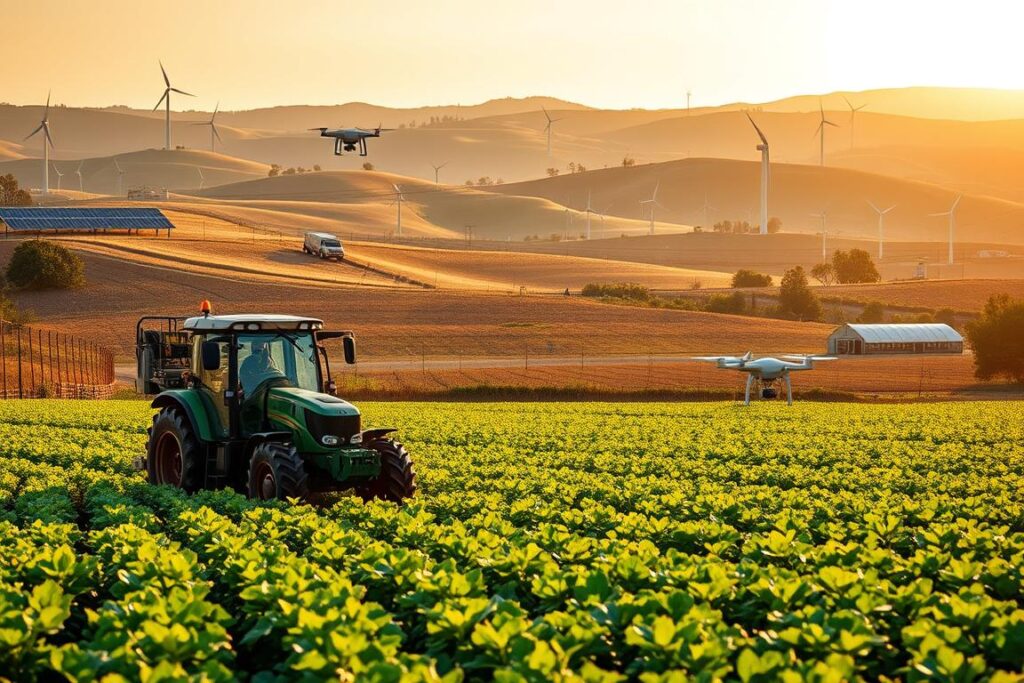
Technology is changing farming, affecting land values globally. New farming methods and tools boost productivity and cut costs. This shifts how people invest in farmland.
Precision Agriculture’s Influence on Productivity and Value
Precision agriculture uses tech like GPS, drones, and data to change farming. It makes crops grow better and reduces waste. This boosts farmland’s value.
John Deere, a top farm equipment maker, says precision farming is about smart tech choices. It helps farmers make better decisions.
More farmers are using precision agriculture to be more efficient and profitable. This trend will keep growing. Precision farming will be key in the future of land value.
Sustainable Farming Practices and Long-term Land Value
Sustainable farming is also key for land value over time. Practices like crop rotation and organic farming improve soil and protect the environment.
“Sustainable agriculture is the key to ensuring food security while preserving natural resources for future generations.”
This approach keeps farmland productive and healthy for the environment. It increases land value.
Investors and farmers see the value in sustainable farming. It can raise land value and help the environment.
Farmland Investment Trends and Strategies
The global farmland market is changing fast. Investors are looking for new options, and farmland is becoming popular. It offers stable returns and can grow in value over time.
Direct Ownership vs. REITs and Funds
There are different ways to invest in farmland. You can own it directly, use Real Estate Investment Trusts (REITs), or join funds. Direct ownership gives you control but needs a lot of money and know-how. REITs and funds are easier to get into, letting you spread your risk and get professional help.
International Diversification Approaches
Diversifying globally is important in farmland investment. It helps spread out risks across different places. You can invest in new markets in Africa and South America, or in well-known ones in the United States and Europe. Using global land market analysis helps make smart choices.
Risk and Return Analysis in the Global Land Market
It’s key to understand the risks and rewards of farmland. This means looking at how it compares to other investments and whether it makes money through rent or value increase.
Volatility Comparison with Other Asset Classes
Farmland is usually less volatile than stocks or commodities. This makes it a good choice to balance out your investments.
Income vs. Appreciation Returns
Farmland can make money in two ways: through rent and by increasing in value. The mix of these can change based on the market and international farm valuation data.
Knowing these things helps investors make smart choices about farmland. It’s about understanding the global land market’s complexities.
Food Security Implications of Changing Cropland Pricing
The global agricultural land economy is changing due to rising farmland prices. This affects food security worldwide. As food demand grows, so does the competition for land, leading to higher prices.
Access to Arable Land for Small-Scale Farmers
Small-scale farmers struggle to get arable land because of high prices. This can lower their productivity and food supply, especially in areas where they are common. The effect on local food systems is huge, impacting farmers and the communities they serve.
Corporate Consolidation of Agricultural Resources
Corporate entities are buying more land, affecting food security. This pushes out smaller farmers, leading to a few big players controlling most of the land. This can mean less variety in farming and more risk from market changes.
In summary, the changes in cropland pricing have big effects on food security. We need to understand how farmland prices, land access, and corporate control in farming work together.
Policy Responses to International Cropland Pricing Trends
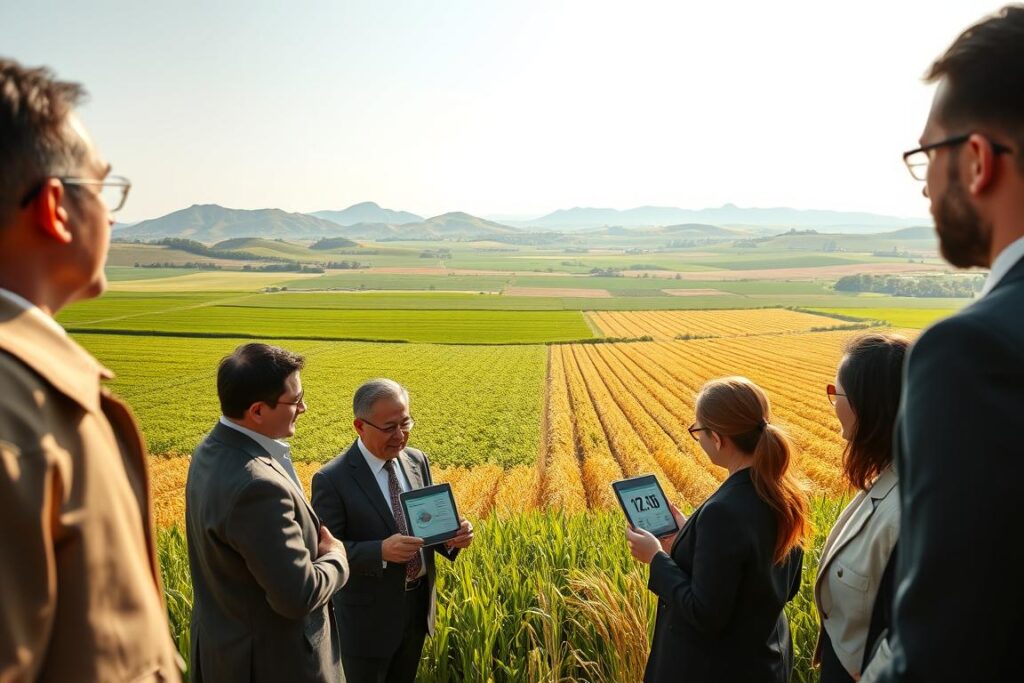
The rise in international cropland prices has led to a rethink of agricultural policies worldwide. This focus is on sustainable practices and keeping markets stable. Governments are taking steps to handle the economic and environmental effects of these price increases.
Land Ownership Regulations Worldwide
Each country has its own rules about owning land to deal with the price hikes. Some have put limits on foreign ownership to protect local interests.
| Country | Regulation | Impact |
|---|---|---|
| United States | State-level regulations on foreign land ownership | Varied impact on foreign investment |
| Canada | Review process for foreign investments in agricultural land | Controlled foreign investment |
| Australia | Foreign Investment Review Board oversight | Regulated foreign land purchases |
Agricultural Subsidies and Market Distortions
Agricultural subsidies are key in the global land market, affecting prices and how land is used. But, these subsidies can also cause market problems. for more information you can visit our website agriculture111.com
“The use of agricultural subsidies can significantly impact global commodity prices and trade patterns, affecting the economic viability of farming practices worldwide.”
Taxation and Incentive Structures
Governments use taxes and incentives to shape how land is invested in and managed. For example, tax breaks for sustainable farming can encourage eco-friendly land use.
Understanding these policies helps everyone in the global land market. It aids in making smart choices about investing in and managing farmland.
Conclusion: Navigating the Future of Global Farmland Economics
The global farmland market is seeing big changes in prices. These changes come from many factors like the economy, environment, and technology. Farmland prices global are affected by trends in big agricultural areas. The United States, Europe, and the Asia-Pacific have their own market ways.
Global agriculture real estate costs are going up. This is because more people want food, cities are growing, and money is going into farms. This trend will likely keep going. Farmland investment trends are moving towards farming that’s better for the planet and uses new tech.
As the industry changes, knowing the past, how prices vary by region, and what drives prices is key. Policymakers, investors, and farmers need to work together. They must tackle climate change, keep food safe, and support farming that’s good for the earth.
By keeping up with the changing world of global farmland economics, everyone can make better choices. This helps them take advantage of new chances in this important field.