Table of Contents
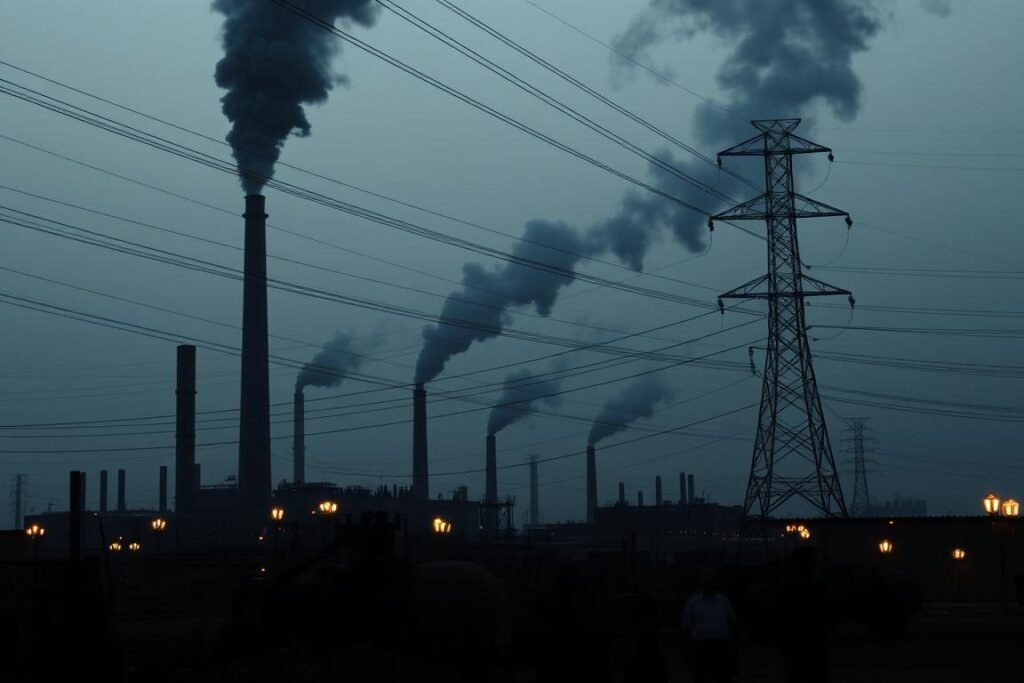
The power sector in Pakistan is facing a sever economic crisis 2026, with circular debt reaching alarming levels. This issue has significant implications for industries and the overall economy.
The circular debt issue in Pakistan’s power sector has been escalating, affecting the country’s economic stability. Industries are suffering due to the unreliable power supply, leading to increased production costs and decreased competitiveness.
Key Takeaways
- The circular debt in Pakistan’s power sector is a major contributor to the energy crisis.
- Industries are severely impacted by the unreliable power supply.
- The economy suffers due to increased production costs and decreased competitiveness.
- Resolving the power sector issues is crucial for Pakistan’s economic stability.
- Effective solutions are needed to address the energy crisis and circular debt.
Overview of Pakistan’s economic crisis 2026
The ongoing energy crisis in Pakistan has become a major concern for both the government and the public. This complex issue affects not only the economy but also the daily lives of millions of Pakistanis.
Definition and Causes
Pakistan’s economic crisis 2026 is characterized by a significant gap between the demand and supply of electricity. The causes are multifaceted, including outdated infrastructure, inefficient energy policies, and a heavy reliance on imported fuels.
- Insufficient generation capacity
- Inefficient transmission and distribution systems
- High energy costs due to reliance on imported fuels
The load shedding that results from this crisis has severe implications for industries, businesses, and households alike.
Recent Statistics
Recent statistics highlight the severity of the crisis:
- Pakistan faces a peak electricity demand of over 25,000 MW, but the available generation capacity is around 22,000 MW.
- The country experiences an average of 4-6 hours of load shedding per day in urban areas and up to 8-10 hours in rural areas.
- The cost of electricity generation is high, with a significant portion attributed to imported fuels, affecting electricity prices.
Regional Comparisons
Comparing Pakistan’s energy situation with its regional neighbors provides valuable insights. Countries like India and Bangladesh have also faced energy challenges but have implemented energy reforms to address their issues.
| Country | Peak Demand (MW) | Generation Capacity (MW) |
|---|---|---|
| Pakistan | 25,000 | 22,000 |
| India | 180,000 | 200,000 |
| Bangladesh | 12,000 | 13,000 |
Understanding these comparisons can help identify potential solutions for Pakistan’s energy crisis.
Historical Context of the Energy Sector
Understanding the evolution of Pakistan’s energy policies is crucial to addressing current power sector issues. The country’s energy landscape has been shaped by decades of policy changes, technological advancements, and shifting political landscapes.
Read detail about economic crisis 2026 please watch this video https://www.youtube.com/watch?v=tOe9a6g-RcE
Evolution of Energy Policies
Pakistan’s energy policies have evolved significantly since its independence in 1947. Initially, the focus was on developing a basic infrastructure to meet the energy needs of the newly formed nation. As the country grew, so did its energy demands, leading to a series of energy reforms aimed at improving efficiency and increasing capacity.
A notable milestone in this evolution was the establishment of the Water and Power Development Authority (WAPDA) in 1958, which played a crucial role in developing Pakistan’s energy infrastructure. Later, the unbundling of WAPDA into separate entities for generation, transmission, and distribution marked a significant shift towards restructuring the power sector.
Key Milestones in Energy Development
Several key milestones have marked Pakistan’s energy development journey. The construction of major dams, such as the Mangla and Tarbela dams, significantly boosted the country’s hydroelectric capacity. In the 1980s and 1990s, Pakistan began to explore alternative energy sources, including thermal and nuclear power.
“The success of Pakistan’s energy policies will depend on the ability to balance economic growth with energy security, while also addressing the challenges of circular debt and inefficiencies in the power sector.”
In recent years, there has been a growing emphasis on incorporating renewable energy into the national grid, with initiatives to promote solar and wind power. These developments reflect a broader strategy to diversify Pakistan’s energy mix and reduce dependence on imported fuels.
- Major dams like Mangla and Tarbela have enhanced hydroelectric capacity.
- Exploration of alternative energy sources, including thermal and nuclear power.
- Recent initiatives to incorporate renewable energy sources like solar and wind power.
The Role of Circular Debt in the Crisis
At the heart of Pakistan’s energy crisis lies the complex problem of circular debt. This issue has been mounting over the years, significantly impacting the energy sector’s financial health.
Understanding Circular Debt
Circular debt refers to the accumulated debt in the energy sector, primarily due to the inability of the government to pay its dues to power generation companies. This debt creates a vicious cycle where power generation companies are unable to pay their fuel suppliers, leading to a cascade of unpaid bills.
How It Affects Energy Supply
The circular debt issue directly impacts the energy supply by limiting the ability of power generation companies to maintain and expand their operations. With insufficient funds, these companies struggle to pay for fuel, leading to reduced energy production.
Implications for Financial Institutions
Financial institutions that have invested in the energy sector through loans and other financial instruments are significantly affected by the circular debt. The risk of default by power generation companies increases, potentially leading to financial instability.
| Year | Circular Debt (PKR Billion) | Energy Supply (GWh) |
|---|---|---|
| 2018 | 2,303 | 114,041 |
| 2019 | 2,533 | 118,609 |
| 2020 | 3,134 | 124,271 |
Factors Contributing to the Energy Crisis
The ongoing energy crisis in Pakistan can be attributed to a combination of factors, notably population growth, infrastructure deficiencies, and a heavy reliance on imported fuels. Understanding these elements is crucial for developing effective solutions to the crisis.
Population Growth and Energy Demand
Pakistan’s rapidly growing population has led to a significant increase in energy demand. As the population expands, so does the need for electricity to power homes, industries, and services. This rising demand puts additional strain on the already overburdened energy infrastructure, exacerbating the crisis.
The country’s population growth rate has outpaced its ability to generate sufficient electricity, resulting in widespread load shedding. This issue is particularly pronounced in urban areas where the demand for electricity is highest.
Infrastructure Challenges
Pakistan’s energy infrastructure faces numerous challenges, including outdated generation plants, inefficient transmission systems, and inadequate distribution networks. These infrastructure issues lead to significant energy losses and reduce the overall efficiency of the energy supply.
Moreover, the lack of investment in modernizing the energy infrastructure has hindered the country’s ability to meet growing energy demands effectively. Upgrading the infrastructure is essential to reduce energy losses and improve the reliability of the energy supply.
Dependence on Imported Fuels
Pakistan’s heavy reliance on imported fuels, such as oil and LNG, further complicates its energy crisis. The cost of importing these fuels places a significant burden on the country’s economy, contributing to the circular debt issue in the energy sector.
Reducing dependence on imported fuels by developing domestic energy sources, including renewable energy, is critical to mitigating the energy crisis. Diversifying the energy mix can help stabilize energy prices and reduce the financial strain on the economy.
Implementing energy reforms that encourage investment in renewable energy and improve energy efficiency can help address the crisis. By adopting a more sustainable energy strategy, Pakistan can work towards a more stable and secure energy future.
Impact on Key Industries
Key industries in Pakistan are facing substantial challenges due to the persistent energy crisis and rising electricity prices. The manufacturing, agriculture, and information technology sectors are particularly affected, leading to decreased productivity and increased operational costs.
Manufacturing Sector
The manufacturing sector, a crucial component of Pakistan’s economy, is severely impacted by the energy crisis. Factories are forced to operate at reduced capacities or shut down during power outages, leading to significant losses.
- Increased production costs due to reliance on expensive backup power sources.
- Reduced competitiveness in the global market.
- Potential job losses and decreased economic growth.
Agriculture and Food Production
Agriculture is another vital sector affected by the energy crisis. The lack of reliable power supply hampers irrigation systems and food processing, leading to:
- Decreased crop yields and food production.
- Increased costs for farmers due to the use of diesel generators for irrigation.
- Potential food shortages and increased prices.
“The energy crisis is not just an economic issue; it’s a matter of food security for Pakistan,” said a leading agricultural expert.
Information Technology
The IT sector, which has been a growing segment of Pakistan’s economy, is also facing challenges. Reliable power supply is crucial for data centers and IT operations, and the energy crisis is:
- Leading to increased operational costs for backup power.
- Causing concerns about the reliability of IT services.
- Potentially deterring foreign investment in the IT sector.
In conclusion, the energy crisis is having a multifaceted impact on Pakistan’s key industries. Addressing power sector issues and reducing electricity prices are critical to mitigating these effects and ensuring the continued growth and competitiveness of these sectors.
Consequences for the Economy
tag and is in American English.
Government Responses to the Crisis
In response to the escalating energy crisis, the government of Pakistan has implemented various policy initiatives aimed at addressing the root causes and mitigating its impact on the economy.
Policy Measures and Initiatives
The government has introduced a range of policy measures to tackle the energy crisis. These include energy reforms designed to improve the efficiency of energy production and distribution. One key initiative is the unbundling of the Water and Power Development Authority (WAPDA) into separate entities to enhance operational efficiency.
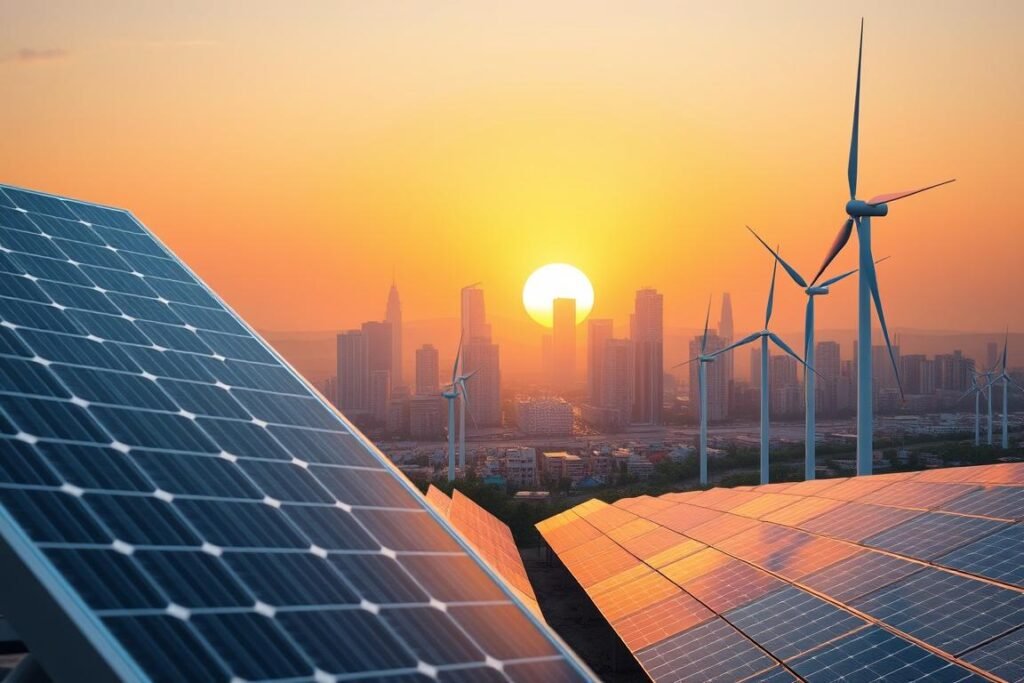
Additionally, the government has launched programs to increase energy production, including investments in renewable energy sources such as solar and wind power. These initiatives are part of a broader strategy to reduce dependence on imported fuels and enhance energy security.
Collaboration with International Organizations
Pakistan has also sought collaboration with international organizations to address the energy crisis. The government has worked closely with the World Bank and the Asian Development Bank to secure funding and technical assistance for energy sector reforms.
These collaborations have facilitated the implementation of projects aimed at improving energy infrastructure and increasing access to electricity, particularly in rural areas. International partnerships have also helped in transferring technology and expertise, contributing to the development of a more sustainable energy sector.
The government’s efforts to address the energy crisis through policy reforms and international collaboration are crucial steps towards achieving energy sustainability and reducing the burden of circular debt on the economy.
Renewable Energy Opportunities
As Pakistan navigates its energy crisis, renewable energy opportunities are emerging as a vital component of the country’s energy future. The potential for renewable energy to address power sector issues is significant, and several projects are already underway.
Current State of Renewable Energy Projects
Pakistan has been making strides in renewable energy, with a focus on solar and wind power. Some notable projects include:
- The Quaid-e-Azam Solar Park, one of the largest solar parks in the world, located in Bahawalpur, Punjab.
- The Jhimpir Wind Power Plant, a significant wind farm in Sindh that has been operational since 2013.
These projects have not only contributed to the national grid but have also paved the way for further investment in renewable energy.
Challenges in Implementation
Despite the progress, several challenges hinder the implementation of renewable energy projects in Pakistan. These include:
- High upfront costs associated with renewable energy infrastructure.
- Regulatory hurdles and bureaucratic delays.
- Limited access to financing for renewable energy projects.
Addressing these challenges is crucial for the successful integration of renewable energy into the national grid.
Future Potential and Benefits
The future of renewable energy in Pakistan looks promising, with numerous benefits:
- Reducing reliance on imported fuels, thus saving foreign exchange.
- Lowering electricity prices in the long term by reducing dependence on expensive thermal power.
- Creating jobs and stimulating local economies through renewable energy projects.
By harnessing renewable energy, Pakistan can mitigate its power sector issues, stabilize electricity prices, and contribute to a more sustainable energy future.
Public Awareness and Community Initiatives
As Pakistan grapples with its energy crisis, public awareness and community initiatives have emerged as key drivers of change. The role of the general public in demanding energy reforms and supporting initiatives to mitigate load shedding cannot be overstated.
Role of Non-Profit Organizations
Non-profit organizations have been at the forefront of raising awareness about the energy crisis and promoting community-led initiatives. They have been instrumental in educating the public about the importance of energy conservation and the need for sustainable practices.
Key activities include:
- Organizing workshops and seminars on energy conservation
- Promoting renewable energy sources
- Advocating for policy changes to address the energy crisis
Grassroots Movements for Change
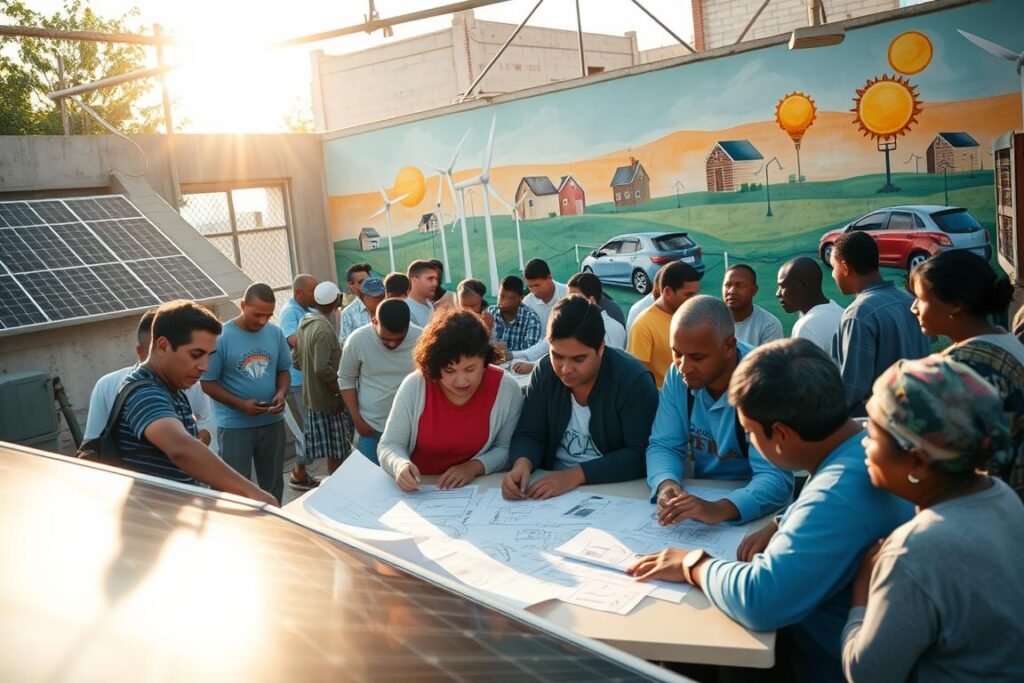
Grassroots movements have gained momentum as communities come together to demand action from policymakers. These movements have been crucial in highlighting the impact of load shedding on daily life and pushing for energy reforms.
The table below outlines some of the key grassroots initiatives and their impact:
| Initiative | Description | Impact |
|---|---|---|
| Community Solar Programs | Installation of solar panels in community centers and homes | Reduced reliance on grid electricity, lowering energy costs |
| Energy Conservation Campaigns | Awareness campaigns on reducing energy consumption | Significant reduction in energy waste, promoting sustainable practices |
As these community initiatives continue to grow, they are likely to play an increasingly important role in shaping Pakistan’s energy future.
International Support and Investment
The role of international support and investment in Pakistan’s energy crisis cannot be overstated. As the country grapples with the challenges of circular debt and power sector issues, external assistance has become a vital component in its strategy to revitalize the energy sector.
Foreign Aid and Loans
Foreign aid and loans have been instrumental in helping Pakistan address its energy crisis. International organizations and countries have provided significant financial assistance to support the development of the energy sector.
- Financial aid has been used to improve infrastructure and increase energy production.
- Loans with favorable terms have helped reduce the burden of circular debt.
- Technical assistance has enhanced the capacity of local institutions.
For instance, the World Bank and Asian Development Bank have been key partners in providing financial and technical support to Pakistan’s energy sector. Their assistance has been crucial in implementing projects aimed at increasing energy supply and improving the overall efficiency of the sector.
Private Sector Investments
Private sector investments have also played a significant role in Pakistan’s energy sector. By attracting private investors, the government has been able to leverage additional resources to support energy development.
Key benefits of private sector investments include:
- Increased efficiency due to competitive practices.
- Innovation in technology and management.
- Job creation and economic growth.
To attract more private sector investment, the government has introduced various incentives, including tax breaks and guarantees for foreign investors. This has led to a surge in investments in renewable energy projects, such as wind and solar power.
In conclusion, international support and investment are critical in helping Pakistan overcome its energy challenges. By continuing to attract foreign aid, loans, and private sector investments, Pakistan can work towards a more sustainable energy future.
Future Outlook and Solutions
The path forward for Pakistan involves tackling the energy crisis head-on through a combination of short-term measures and long-term energy reforms. Addressing the current challenges requires a comprehensive approach that not only stabilizes the energy sector but also paves the way for sustainable growth.
Short-Term Strategies
In the short term, Pakistan needs to focus on energy reforms that can quickly alleviate the pressure on the energy sector. This includes renegotiating contracts with energy producers, improving the efficiency of energy distribution, and implementing measures to reduce circular debt. Adjusting electricity prices to reflect the true cost of production can also help in making the energy sector more financially sustainable.
Long-Term Vision for Energy Sustainability
For long-term sustainability, Pakistan must invest in renewable energy sources, enhance energy efficiency, and promote conservation practices. Developing a diversified energy mix that includes solar, wind, and hydroelectric power can reduce dependence on imported fuels and mitigate the impact of global energy price fluctuations. Furthermore, modernizing the grid infrastructure and adopting smart grid technologies can significantly improve the efficiency and reliability of energy supply.
Stakeholders, including government agencies, private sector entities, and civil society, must work together to implement these strategies. The government can play a crucial role by creating a conducive environment for investment in the energy sector, while the private sector can contribute through innovative solutions and efficient management practices.
Ultimately, overcoming the energy crisis in Pakistan requires a collective effort and a commitment to long-term energy sustainability. By working together and adopting a comprehensive approach to energy reforms, Pakistan can ensure a stable and prosperous energy future.
Conclusion: The Path Forward for Pakistan
Pakistan’s energy crisis and the issue of circular debt have far-reaching implications for the country’s economy and industries. The crisis is multifaceted, involving historical, infrastructural, and financial challenges.
Key Takeaways
The analysis of Pakistan’s energy sector reveals that addressing the energy crisis requires a comprehensive approach. This includes tackling circular debt, enhancing energy production, and promoting renewable energy sources. The role of government policies, international collaboration, and public awareness is crucial in this endeavor.
Moving Forward
To resolve the Pakistan energy crisis, stakeholders must work together. This involves implementing effective policy measures, investing in energy infrastructure, and encouraging private sector participation. By doing so, Pakistan can mitigate the effects of circular debt Pakistan and create a sustainable energy future.
The path forward requires a concerted effort from all stakeholders, including government agencies, private sector entities, and the public. By working together, Pakistan can overcome its energy challenges and achieve economic stability.
FAQ
What is the main cause of Pakistan’s energy crisis?
How does circular debt affect the power sector in Pakistan?
What are the implications of load shedding on the economy?
How can renewable energy help address Pakistan’s energy crisis?
What steps is the government taking to address the energy crisis?
How does the energy crisis affect key industries such as manufacturing and agriculture?
What is the role of international support and investment in addressing the energy crisis?
What are the potential benefits of transitioning to renewable energy sources?
Read more article visit our website agriculture111.com