Table of Contents
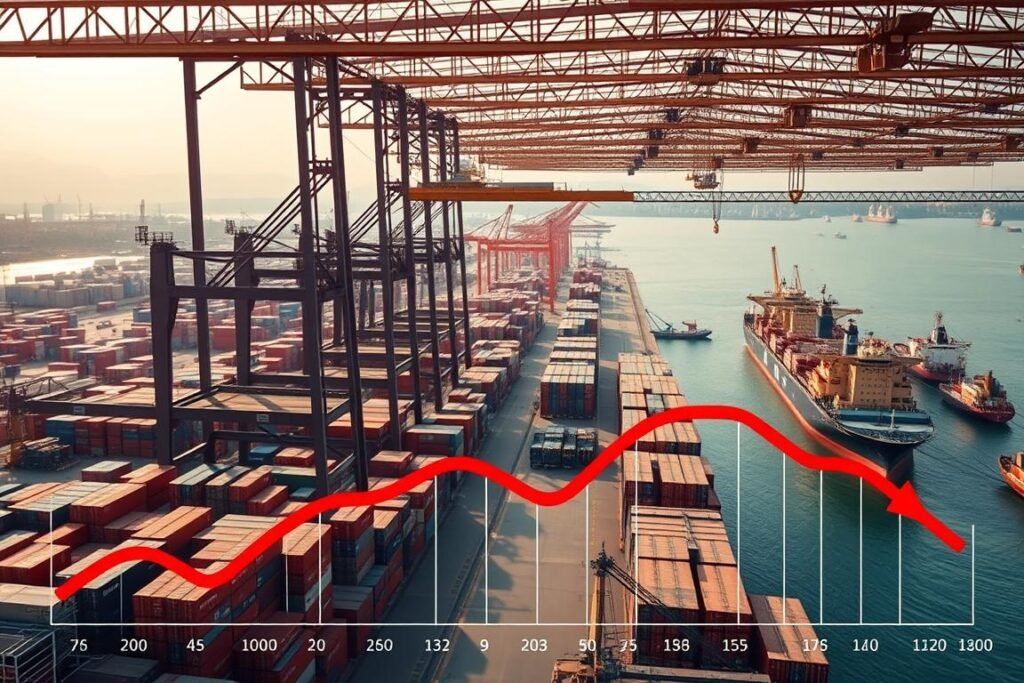
Pakistan’s economy is facing a significant challenge due to its large trade deficit, which has been exacerbated by weak exports and a heavy reliance on imports. The country’s economic stability is under threat as a result.
The persistent Causes And Consequences Of Trade Deficit In Pakistan imbalance between exports and imports has raised concerns among economists and policymakers. To understand the root causes of this issue and its implications on the economy, it’s essential to examine the factors contributing to the trade deficit.
Key Takeaways
- The Pakistan trade deficit is a significant challenge for the country’s economy.
- Weak exports and import dependence are major contributors to the trade deficit.
- Economic stability is at risk due to the large trade deficit.
- The article will explore the causes and implications of the trade deficit.
- Understanding the trade deficit is crucial for developing effective economic policies.
Understanding Pakistan’s Trade Deficit: Definition and Overview
Understanding the trade deficit is crucial for grasping the broader economic issues in Pakistan. A trade deficit occurs when a country imports more goods and services than it exports, resulting in a net outflow of foreign exchange.
What is a Trade Deficit?
A trade deficit is a measure of a country’s trade balance, indicating the difference between its imports and exports. For Pakistan, a persistent trade deficit has been a challenge, reflecting its reliance on imports to meet domestic demand.
Key aspects of a trade deficit include:
- Import volume exceeding export volume
- Impact on foreign exchange reserves
- Potential for currency devaluation
Key Indicators of Trade Deficit
To understand the extent of Pakistan’s trade deficit, several key indicators are considered:
- Trade balance: The difference between exports and imports
- Import bill: The total value of goods and services imported
- Export earnings: The total value of goods and services exported
| Indicator | Description | Impact on Economy |
|---|---|---|
| Trade Balance | Difference between exports and imports | Affects foreign exchange reserves |
| Import Bill | Total value of goods and services imported | Influences currency exchange rates |
| Export Earnings | Total value of goods and services exported | Contributes to foreign exchange earnings |
Importance for Economic Growth
The trade deficit has significant implications for Pakistan’s economic growth. A persistent deficit can lead to:
- Depletion of foreign exchange reserves
- Currency devaluation
- Increased borrowing costs
Addressing the trade deficit is crucial for ensuring sustainable economic growth and stability in Pakistan.
Factors Contributing to Pakistan’s Trade Deficit
Understanding the factors that contribute to Pakistan’s trade deficit is crucial for devising effective economic strategies. The trade deficit is a complex issue influenced by various interrelated factors.
Dependence on Imports for Raw Materials
Pakistan’s economy is heavily reliant on imports for raw materials, which significantly contributes to the trade deficit. The country lacks sufficient domestic production of certain raw materials, making it necessary to import them. This dependence on imports not only drains foreign exchange reserves but also increases the cost of production for local industries.
Key areas where import dependence is notable include:
- Raw materials for textile production, such as cotton and synthetic fibers
- Petroleum products, which are essential for energy generation and industrial operations
- Industrial machinery and equipment required for modernizing manufacturing processes
Weak Export Performance
Pakistan’s export performance has been a concern for several years. The country faces challenges in competing in the global market due to various export problems, including:
- Lack of diversification in export products
- Inadequate quality control measures
- Insufficient marketing efforts to promote Pakistani products abroad
Small and Medium-sized Enterprises (SMEs) play a vital role in Pakistan’s economy, and their contribution to exports is significant. However, SMEs face challenges such as limited access to finance, lack of technological upgrades, and inadequate training for personnel.
Economic Structural Issues
Pakistan’s economic structural issues also contribute to the trade deficit. These issues include:
- Infrastructure deficiencies, such as inadequate transportation networks and energy shortages
- Corruption and bureaucratic inefficiencies that deter investment
- Lack of competitiveness in the global market due to high production costs and low productivity
Addressing these structural issues is crucial for improving the business environment and enhancing the competitiveness of Pakistani exports.
The Role of Agriculture in Pakistan’s Trade Deficit
Agriculture plays a pivotal role in Pakistan’s economy, significantly influencing its trade deficit. The sector’s performance has a direct impact on the country’s trade balance, making it essential to understand its dynamics.
Export Potential of Agricultural Products
Pakistan’s agricultural products have a significant export potential, which, if tapped properly, can help reduce the trade deficit. Products such as rice, cotton, and fruits are in high demand globally.
To enhance export potential, the government can implement policies that support farmers and exporters. This includes providing subsidies, improving infrastructure, and simplifying export procedures.
Key areas to focus on:
- Improving crop yields through better irrigation systems and agricultural practices.
- Enhancing the quality of produce to meet international standards.
- Developing marketing strategies to promote Pakistani products abroad.
Challenges Faced by Farmers
Despite the potential, farmers in Pakistan face numerous challenges that hinder their productivity and profitability. These challenges include limited access to credit, inadequate irrigation facilities, and the impacts of climate change.
Addressing these challenges requires a multi-faceted approach, including:
- Providing financial support to farmers through microfinance schemes.
- Investing in irrigation infrastructure to ensure a steady water supply.
- Promoting climate-resilient agricultural practices.
Importing Food: A Double-Edged Sword
Pakistan’s reliance on food imports is a significant contributor to its trade deficit. While importing food can help meet domestic demand, it also drains foreign exchange reserves.
A balanced approach is needed, where the focus is on improving domestic production while strategically importing goods that are not feasible to produce locally.
Strategies for reducing reliance on food imports:
- Increasing domestic production of staple crops.
- Improving post-harvest management to reduce losses.
- Promoting the consumption of locally produced food.
The Impact of Political Stability on Trade Deficits
Political instability can exacerbate trade deficits by deterring investment and disrupting trade flows. A country’s political environment plays a significant role in shaping its trade balance.
Influence of Government Policies
Government policies have a direct impact on a nation’s trade deficit. Policies that encourage exports and restrict non-essential imports can help reduce the trade deficit. For instance, tariff policies can protect domestic industries, while export subsidies can boost foreign sales.
Favorable policies can create a conducive environment for businesses to thrive, thereby enhancing export capabilities and reducing reliance on imports. Conversely, inconsistent or unfavorable policies can lead to increased import bills and decreased export competitiveness.
Political Instability and Trade Relations
Political instability can disrupt trade relations, leading to a rise in trade deficits. Uncertainty in the political environment can deter foreign investment, crucial for export growth, and lead to a decline in trade volumes.
Countries with stable political systems tend to have more robust trade relations. Stability fosters trust among trading partners, encouraging long-term trade agreements and investments. On the other hand, political turmoil can result in export problems, as international buyers may seek more stable suppliers.
Moreover, political instability often leads to fluctuations in currency value, further complicating trade by making imports more expensive and potentially increasing the import bill.
Export Strategies for Pakistan
Diversifying export markets and improving product quality are key steps towards reducing Pakistan’s trade deficit. A robust export strategy can significantly contribute to the country’s economic stability by increasing revenue and creating jobs, particularly for Small and Medium-sized Enterprises (SMEs).
Diversifying Export Markets
Pakistan’s export growth is heavily dependent on diversifying its export markets. Currently, the country’s exports are concentrated in a few traditional markets. To expand its reach, Pakistan should focus on emerging economies and regions with growing demand.
- Explore new markets in Asia, Africa, and Latin America.
- Participate in international trade fairs to showcase Pakistani products.
- Develop strategic partnerships with businesses in target markets.
Enhancing Product Quality
Enhancing product quality is crucial for Pakistan to compete effectively in the global market. This involves adopting international quality standards, improving manufacturing processes, and investing in research and development.
- Implement quality control measures at every stage of production.
- Provide training to SMEs on best practices in quality management.
- Encourage the adoption of innovative technologies to improve product quality.
Leveraging Technology for Growth
Technology plays a vital role in enhancing export competitiveness. By leveraging technology, Pakistani businesses, especially SMEs, can improve their efficiency, reduce costs, and develop new products.
- Invest in e-commerce platforms to reach global customers.
- Utilize digital marketing tools to promote Pakistani products.
- Adopt advanced manufacturing technologies to enhance productivity.
By implementing these strategies, Pakistan can strengthen its export sector, promote economic stability, and reduce its trade deficit. The role of SMEs in this process is particularly significant, as they are a vital part of Pakistan’s economy.
The Importance of Import Management
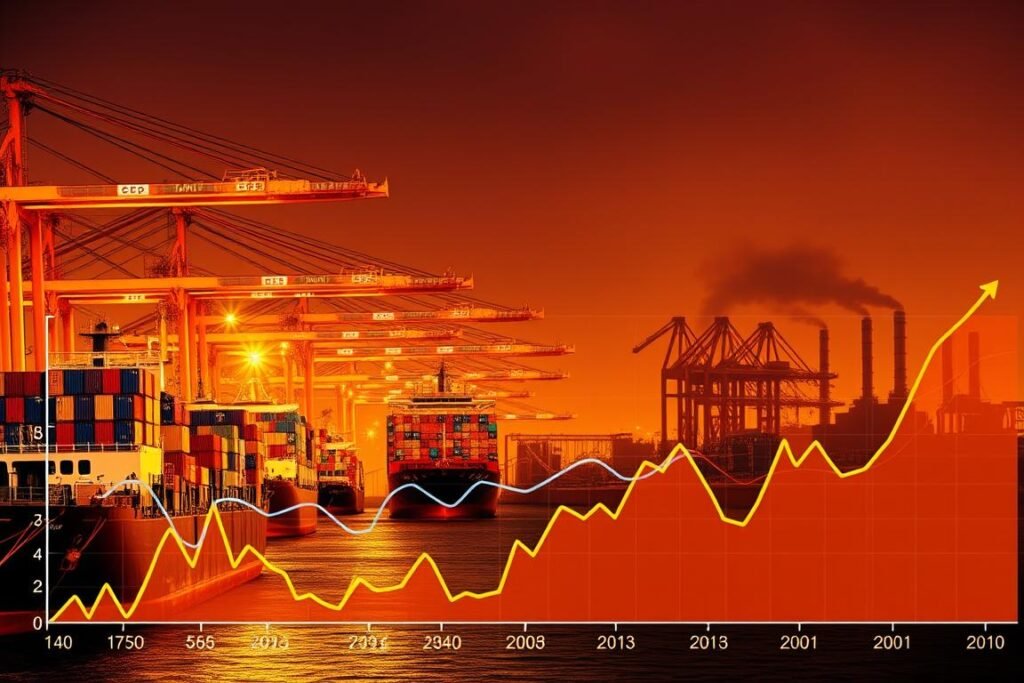
Managing imports efficiently can play a significant role in stabilizing Pakistan’s economy. Effective import management involves a combination of reducing non-essential imports, implementing import substitution strategies, and enforcing appropriate tariffs and trade regulations.
Reducing Dependence on Non-Essential Imports
One of the primary steps in managing imports is to reduce dependence on non-essential goods. By minimizing the import of luxury items and focusing on essential goods, Pakistan can significantly reduce its trade deficit.
- Identify non-essential imports that can be curtailed without impacting economic growth.
- Promote the use of domestic alternatives to imported goods.
- Implement policies that discourage the import of luxury goods.
Strategies for Import Substitution
Import substitution is a strategy that involves promoting domestic production to replace imported goods. This can be achieved through various means, including:
- Providing incentives to local manufacturers to boost production.
- Investing in technology and infrastructure to enhance domestic production capabilities.
- Implementing policies that protect local industries from international competition.
By adopting these strategies, Pakistan can reduce its reliance on imported goods and strengthen its domestic industries.
Tariffs and Trade Regulations
Tariffs and trade regulations play a crucial role in import management. By adjusting tariffs, the government can influence the flow of imports and protect local industries.
- Imposing tariffs on non-essential imports to discourage their consumption.
- Negotiating trade agreements to secure better terms for Pakistan’s exports.
- Ensuring that trade regulations are fair and transparent to promote a level playing field for local businesses.
Effective use of tariffs and trade regulations can help Pakistan manage its trade deficit more effectively.
The Economic Risks of a Persistent Trade Deficit
The economic risks associated with Pakistan’s persistent trade deficit are multifaceted and far-reaching. A prolonged trade deficit can lead to a myriad of issues that affect not only the economy but also the overall well-being of the population.
Currency Devaluation Concerns
A significant and persistent trade deficit can lead to a devaluation of the currency. When a country imports more than it exports, there’s a higher demand for foreign currency to pay for those imports, which can cause the local currency to depreciate.
Key effects of currency devaluation include:
- Increased cost of imports, making raw materials and essential goods more expensive.
- Potential for higher inflation as the cost of imported goods rises.
- Reduced purchasing power for consumers and businesses.
Debt Implications for Future Generations
Financing a trade deficit often involves borrowing from foreign sources or using foreign exchange reserves. This can lead to an accumulation of external debt, which has serious implications for future generations.
The burden of external debt can:
- Limit the government’s ability to invest in critical sectors like education and healthcare.
- Increase the financial burden on future generations through debt servicing and repayment.
- Make the economy more vulnerable to external economic shocks.
Social Impact: Employment and Poverty
A persistent trade deficit can also have significant social impacts, particularly on employment and poverty levels. Industries that are unable to compete with cheaper imports may suffer, leading to job losses.
The social consequences include:
- Higher unemployment rates, particularly in sectors exposed to international competition.
- Increased poverty levels as job losses and higher prices for goods erode household incomes.
- Potential for social unrest as economic hardship affects larger segments of the population.
Addressing the trade deficit is crucial for ensuring economic stability and mitigating these risks. By focusing on export growth, import management, and structural reforms, Pakistan can work towards reducing its trade deficit and fostering a more sustainable economic environment.
International Relations and Trade Deficit
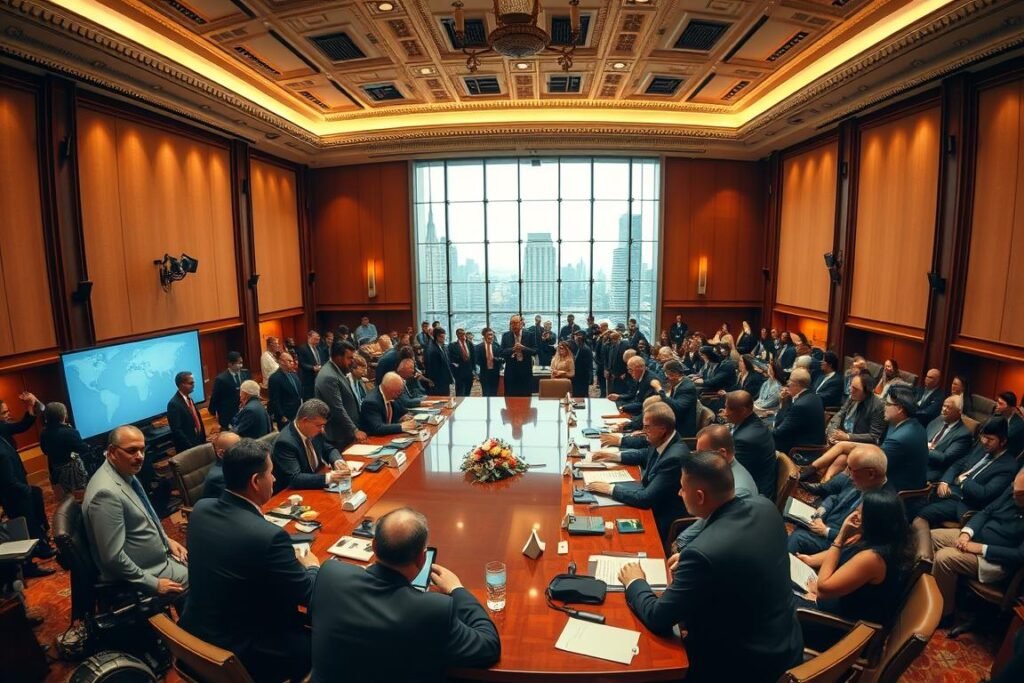
International relations have a profound impact on Pakistan’s trade deficit, affecting both its export capabilities and import dependencies. The country’s ability to negotiate favorable trade agreements and maintain healthy bilateral trade relations with major partners is crucial in managing its trade deficit.
The Impact of Trade Agreements
Trade agreements play a significant role in shaping Pakistan’s trade policies and practices. By participating in regional and international trade agreements, Pakistan can benefit from reduced tariffs and increased market access for its exports. For instance, agreements like the South Asian Free Trade Area (SAFTA) and the Pakistan-China Free Trade Agreement have the potential to boost Pakistan’s exports by providing preferential treatment to its products in member countries.
Key benefits of trade agreements for Pakistan include:
- Increased market access for Pakistani exports
- Reduced tariffs on imports, making raw materials cheaper
- Enhanced economic cooperation with trading partners
Bilateral Trade Relations with Major Partners
Pakistan’s bilateral trade relations with major partners, such as China, the United States, and the European Union, significantly influence its trade deficit. Strengthening these relations through diplomatic efforts and trade negotiations can help Pakistan address its export problems and reduce its dependence on imports.
For example, enhancing bilateral trade with China through initiatives like the China-Pakistan Economic Corridor (CPEC) can lead to increased exports and reduced trade deficit. Similarly, improving trade ties with the EU through agreements like the Generalized System of Preferences (GSP+) can provide Pakistani exporters, including SMEs, with preferential access to a large and lucrative market.
Future Outlook: Can Pakistan Bridge Its Trade Deficit?
Pakistan’s persistent trade deficit poses significant challenges to its economic stability. To address this issue, a comprehensive approach is necessary, focusing on both short-term measures and long-term structural reforms.
Key Strategies for Policymakers
Policymakers must prioritize export diversification, enhance product quality, and leverage technology to boost competitiveness. Reducing dependence on non-essential imports and promoting import substitution can also help mitigate the trade deficit.
Attracting Foreign Investment
Foreign investment can play a crucial role in bridging the trade deficit by bringing in capital, technology, and expertise. Creating a favorable investment climate is essential to attract foreign investors.
Sustainable Economic Growth
Achieving sustainable economic growth is critical to reducing the trade deficit. This can be accomplished by implementing policies that promote economic diversification, improve productivity, and enhance trade facilitation.
By adopting a multi-faceted approach and implementing these strategies, Pakistan can work towards achieving economic stability and reducing its trade deficit.
FAQ
What is the main cause of Pakistan’s trade deficit?
How can SMEs contribute to reducing Pakistan’s trade deficit?
What are the economic risks associated with a persistent trade deficit in Pakistan?
How can import management help reduce Pakistan’s trade deficit?
What role do trade agreements play in addressing Pakistan’s trade deficit?
Can foreign investment help bridge Pakistan’s trade deficit?
Read more article visit our website agriculture111.com