Table of Contents
Could the global agricultural industry withstand the pressures of a severe fertilizer shortage?
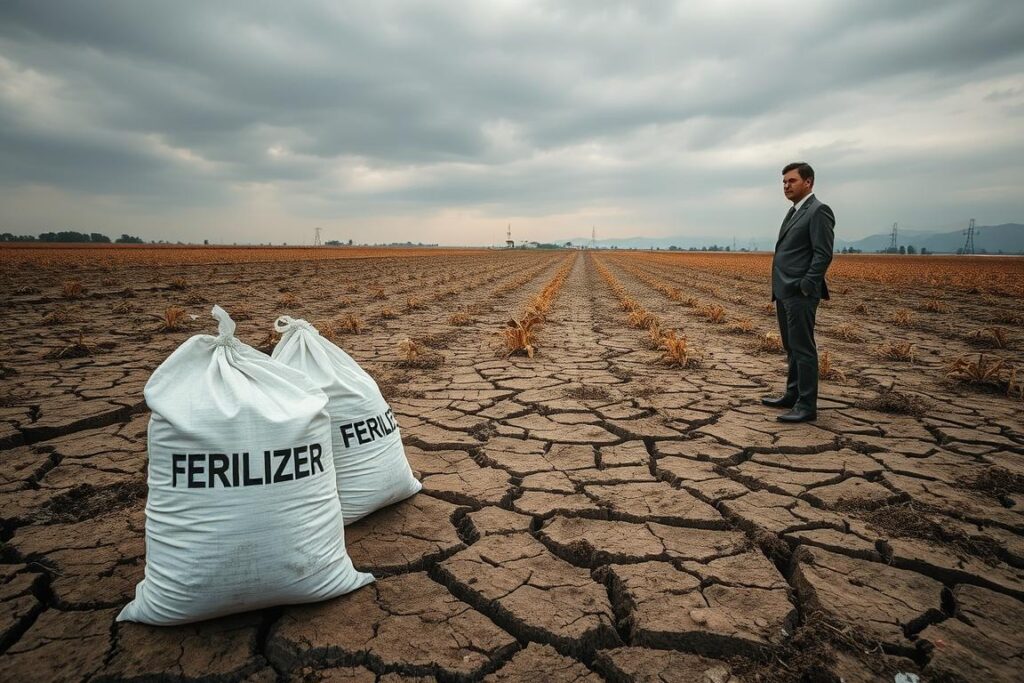
The recent surge in fertilizer prices and shortages has shocked the agricultural world. Global fertilizer affects farmers, agricultural operations, and food production globally. The global fertilizer market is now facing unprecedented challenges.
This shortage has far-reaching impacts. It could affect crop yields, food security, and the economy for a long time. As we delve into the causes and effects of this crisis, it’s clear we must understand the global fertilizer market.
Key Takeaways
- The global fertilizer shortage is affecting farmers and agricultural operations worldwide.
- Rising fertilizer prices are having a significant impact on food production and the economy.
- The crisis has potential long-term effects on crop yields and food security.
- Understanding the global fertilizer market dynamics is crucial for addressing the shortage.
- The agricultural industry must adapt to the challenges posed by the fertilizer shortage.
The Current State of the Global Fertilizer Crisis
Fertilizer shortages and price hikes are affecting farms worldwide. The agricultural industry challenges come from many places. These include supply chain problems, global tensions, and changing energy prices.
Key Indicators of Market Disruption
The fertilizers supply and demand imbalance shows the market’s trouble. Important signs include:
- Big price jumps for fertilizers
- Less of the nutrients farmers need
- Chaos in global supply chains
These issues are connected, making the problem worse. For example, when supply chains get messed up, there’s less to go around. This makes prices go up even more.
you can also read https://agriculture111.com/best-fertilizer-schedule-for-wheat-in-pakistan-2026/
Timeline of Crisis Development
The global fertilizer crisis has grown over years, thanks to many factors:
- The COVID-19 pandemic messed with supply chains and production.
- Global conflicts, like the one in Ukraine, have hurt fertilizer exports.
- Fluctuating energy prices have raised the cost of making fertilizers.
Knowing how this crisis developed helps us understand its big impact on farming worldwide.
Root Causes of the Global Fertilizer Shortage
To understand the global fertilizer shortage, we must look at its main causes. The crisis is complex, with problems in many areas.
Supply Chain Disruptions Post-Pandemic
The COVID-19 pandemic has messed up global supply chains. This has hurt the making and moving of fertilizers. Lockdowns, social distancing, and closed borders have caused delays and higher costs.
Geopolitical Tensions and Export Restrictions
Geopolitical tensions have led to limits on fertilizer exports. Countries have put tariffs and quotas on to keep supplies for themselves. This has made the global market even tighter.
Energy Price Volatility and Production Costs
Fluctuating energy prices have raised the cost of making fertilizers also the cause of global fertilizer crises. When natural gas prices go up, making nitrogen-based fertilizers gets more expensive. This leads to higher prices and less supply.
| Factor | Impact on Fertilizer Market |
|---|---|
| Supply Chain Disruptions | Delays and increased costs |
| Geopolitical Tensions | Export restrictions and tariffs |
| Energy Price Volatility | Increased production costs |
The mix of these factors has caused the current global fertilizer shortage. To fix the crisis, we need to fully understand these root causes.
The Economics Behind Fertilizer Price Hikes

The rise in fertilizer prices is a complex issue affecting farming. It’s not just one thing causing the problem. Instead, it’s a mix of higher production costs, market control, and changes in supply and demand.
Production Cost Analysis
Fertilizer production costs have gone up a lot. This is mainly because of higher prices for raw materials and energy. Natural gas, key for making nitrogen-based fertilizers, has seen big price swings. This affects how much it costs to make fertilizers.
| Raw Material | Pre-Crisis Price | Current Price |
|---|---|---|
| Natural Gas | $2.50/MMBtu | $4.50/MMBtu |
| Phosphate Rock | $80/ton | $120/ton |
Market Concentration and Pricing Power
The fertilizer market is very concentrated. A few big companies control most of it. This gives them a lot of pricing power. This concentration can cause supply problems and higher prices, especially when people want more.
“The fertilizer market is highly concentrated, which can lead to price volatility and supply chain disruptions.” – Industry Expert
It’s important to understand these economic factors for those in the farming world. As the need for food grows, so will the pressure on fertilizer prices. Keeping an eye on these economic signs is key.
Fertilizers Supply and Demand Imbalance
Regional production and global demand changes are key to the global fertilizer imbalance. The fertilizer market is complex. Many factors affect both supply and demand.
Regional Production Capacities
Fertilizer production varies worldwide. Some areas have strong manufacturing, while others import a lot.
| Region | Production Capacity | Dependency on Imports |
|---|---|---|
| North America | High | Low |
| Europe | Moderate | Moderate |
| Africa | Low | High |
Changing Global Demand Patterns
Global fertilizer demand is evolving. Changes in farming, food choices, and economics play a role. As the population grows, so does food demand, stressing the fertilizer market.
The push for sustainable farming practices is growing. Farmers aim to use fertilizers wisely. This helps the environment and keeps crops healthy.
Direct Impacts of global fertilizer crises on U.S. Farmers and Agricultural Operations
The global fertilizer crisis is hitting U.S. farmers hard. It’s affecting all kinds of farms. Farmers are facing tough choices that hurt their productivity and profits.
Small vs. Large-Scale Farming Operations
Small farms are especially hard hit by the global fertilizer shortage. They don’t have the money to deal with high fertilizer prices. Big farms might have more power to negotiate prices, but they’re still feeling the pinch.
Adaptation Strategies at the Farm Level
Farmers are finding ways to deal with the shortage of global fertilizer. They’re using different fertilizers, improving soil health, and using new tech to apply fertilizers better. Some are even growing cover crops to cut down on synthetic fertilizer use.
Financial Implications for American Agriculture
The global fertilizer crisis is costing American farms a lot. Higher fertilizer prices mean higher production costs. This can lead to lower profits for farmers and higher food prices for everyone.
| Category | Pre-Crisis Costs | Current Costs | Percentage Increase |
|---|---|---|---|
| Fertilizer Costs | $100 per acre | $150 per acre | 50% |
| Production Costs | $500 per acre | $650 per acre | 30% |
| Profit Margins | 20% | 10% | -50% |
Dealing with the global fertilizer crisis needs a big effort. By understanding how it affects different farms and finding ways to adapt, we can help American agriculture.
Nutrient Deficiency in Soil: A Growing Concern
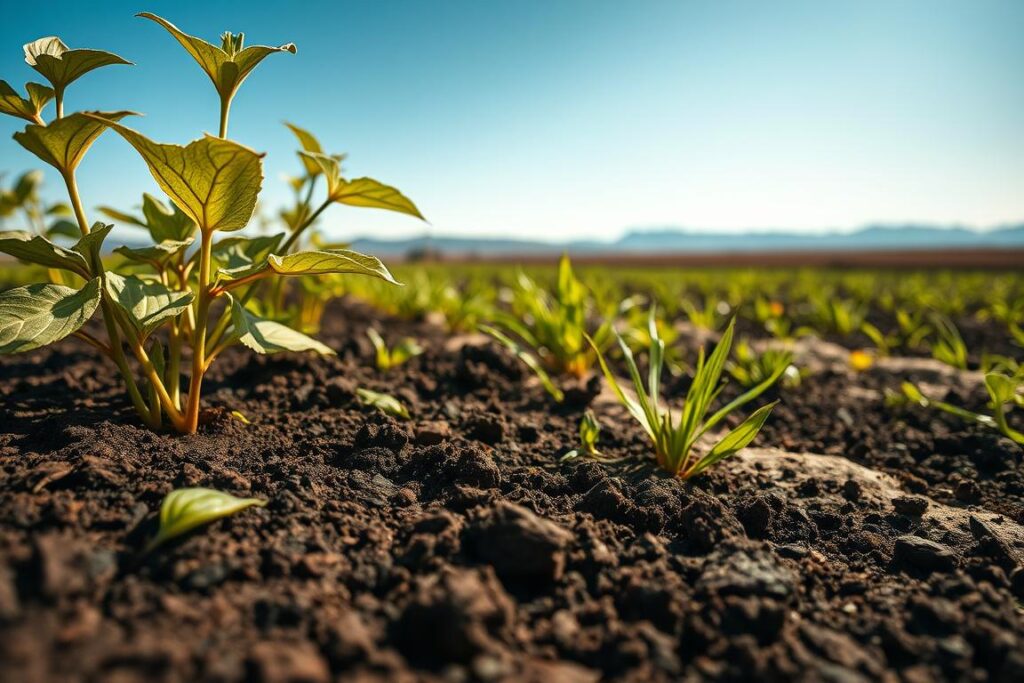
The world faces a big problem – nutrient deficiency in soil. This issue affects farming and the health of our soils. It’s a big deal.
“Soil health is the foundation of sustainable agriculture,” says the United States Department of Agriculture. Keeping soil nutrients right is key. It makes sure our soil stays fertile and can grow crops well.
Long-term Soil Health Implications
Soil without enough nutrients can’t stay healthy. It becomes less fertile, more prone to erosion, and can’t support many plants. Organic alternatives for fertilizers, like compost and manure, help. They make soil better and more fertile.
A study by the National Association of State Departments of Agriculture shows a win. Farms using organic stuff saw better soil health and used less synthetic fertilizers.
Crop-Specific Nutrient Requirements
Every crop needs different nutrients. This means we need a careful plan for soil care. For example, corn and wheat need different amounts of nitrogen, phosphorus, and potassium. Knowing this helps keep soil healthy and use fertilizers wisely.
Using crop rotation and cover crops helps keep soil nutrients balanced. This method is good for farming and helps solve the fertilizer crisis worldwide.
Chemical Fertilizers Usage Trends Amid the global fertilizer Crisis
The global fertilizer crisis is changing how we use chemical fertilizers. Farmers are now looking at new ways to farm. They are trying to use fertilizers better because of shortages and high prices.
Shifting Application Patterns
Farmers are changing how they apply fertilizers. They are adjusting when and how much they use. Precision agriculture techniques are helping them use fertilizers more efficiently.
Using these new methods helps farmers save money and protect the environment. By applying fertilizers more accurately, they can keep yields high while using less.
Precision Agriculture as a Response
Precision agriculture is becoming a big help during the fertilizer crisis. It uses advanced technology to improve how crops are grown.
Smart Fertilizer Application Technologies
Smart technologies are being used in farming to improve fertilizer use. These include GPS-guided tools and sensors that check soil and crop health.
Data-Driven Decision Making
Using data to make decisions is key in farming now. Farmers look at soil, weather, and crop data to decide on fertilizer use.
| Technology | Description | Benefit |
|---|---|---|
| GPS-Guided Equipment | Precision application of fertilizers using GPS technology | Reduced waste and improved efficiency |
| Sensor-Based Systems | Monitoring of soil and crop conditions in real-time | Optimized fertilizer application and reduced environmental impact |
Impact on Food Production and Global Food Security
The ongoing fertilizer shortage is expected to significantly affect food production. This threatens global food security. It could disrupt food supplies worldwide, leading to higher food prices and more food insecurity, especially in vulnerable regions.
Crop Yield Projections
Crop yield projections show a big drop in agricultural productivity due to the fertilizer shortage. Fertilizers are key to boosting crop yields. Factors affecting crop yields include:
- Fertilizer availability: Enough fertilizer is vital for high crop yields.
- Crop management practices: Good crop management can help with the shortage.
- Climate conditions: Weather can also affect crop yields, making the shortage worse.
Food Price Inflation in Domestic and International Markets
The fertilizer crisis will likely lead to food price inflation in both domestic and international markets. With lower crop yields, food supply decreases, causing prices to rise. This inflation will impact:
- Higher prices for food products.
- Economic pressure on households, especially those with lower incomes.
- Possible social unrest due to rising food costs.
Vulnerability of Food-Insecure Regions
Food-insecure regions are especially vulnerable to the fertilizer crisis. These areas already face challenges in accessing food. The international community may need to provide aid and support to help these regions.
Policy Responses and Government Interventions
As the fertilizer crisis grows, governments are stepping up. They aim to protect global food security and farm productivity. This calls for a detailed plan to lessen the crisis’s effects.
U.S. Federal and State Support Programs
The U.S. government is helping farmers hit by the fertilizer shortage. They offer financial help, subsidies for other fertilizers, and advice on green farming. For example, the USDA has a plan to aid farmers. This includes emergency loans and grants for buying fertilizer.
International Cooperation Efforts
Worldwide, governments are working together to tackle the fertilizer crisis. They aim to fix supply chains, share fertilizer tips, and align policies. The United Nations Food and Agriculture Organization (FAO) leads in bringing countries together. They work on solving the crisis as a team.
These actions by governments are key to reducing the fertilizer crisis’s impact. They help keep food production and security on track globally.
Sustainable Farming Practices as Crisis Mitigation
The world faces a fertilizer crisis, and sustainable farming is key to solving it. Global fertilizer market issues have caused price increases and shortages. This highlights the need for more durable farming methods.
Sustainable farming uses various techniques to lessen agriculture’s environmental impact without losing productivity. Regenerative agriculture is a big part of this. It aims to boost soil health and increase biodiversity.
Regenerative Agriculture Approaches
Regenerative agriculture includes methods like minimal tillage and cover cropping. It also uses organic amendments. These practices increase soil organic matter, improve water retention, and cut down synthetic fertilizer needs.
Crop Rotation and Diversification Strategies
Crop rotation and diversification are key for soil fertility and pest control. Rotating crops enhances soil nutrients and structure. This reduces the need for chemical fertilizers.
Integrated Nutrient Management Systems
Integrated Nutrient Management (INM) combines organic and inorganic nutrients for better use. INM uses cover crops, green manures, and biological soil amendments.
Cover Crops and Green Manures
Cover crops and green manures are crucial for soil fertility. They fix nitrogen, improve soil structure, and support beneficial organisms.
Biological Soil Amendments
Biological soil amendments, like microbial inoculants, boost soil health. They enhance nutrient cycling and plant health.
By using these sustainable farming methods, farmers can lessen their chemical fertilizer use. This helps tackle the fertilizer crisis and builds a stronger agricultural system.
Conclusion: Navigating the Future of Global Fertilizer Markets
The world fertilizer crisis has big effects on food security, farming, and the environment. The ongoing shortage of fertilizers is hitting farmers and economies hard. We need a wide range of solutions to deal with this problem.
Using sustainable farming methods like regenerative agriculture can cut down on chemical fertilizer use. Governments should also help by offering subsidies and funding research. This support is key to solving the crisis.
New technologies, like precision agriculture, can make fertilizers work better and save resources. Working together, governments, farmers, and industries can create a stronger, greener farming system. This teamwork is vital for a better future in agriculture.
By tackling the fertilizer shortage’s causes, we can aim for farming that’s good for the planet and people. This way, we can ensure food production meets environmental and social needs.
You can also read article of world bank on fertilizer crisis for more information https://thedocs.worldbank.org/en/doc/40ebbf38f5a6b68bfc11e5273e1405d4-0090012022/related/Food-and-Nutrition-Security-Update-121-March-27-2026v2.pdf