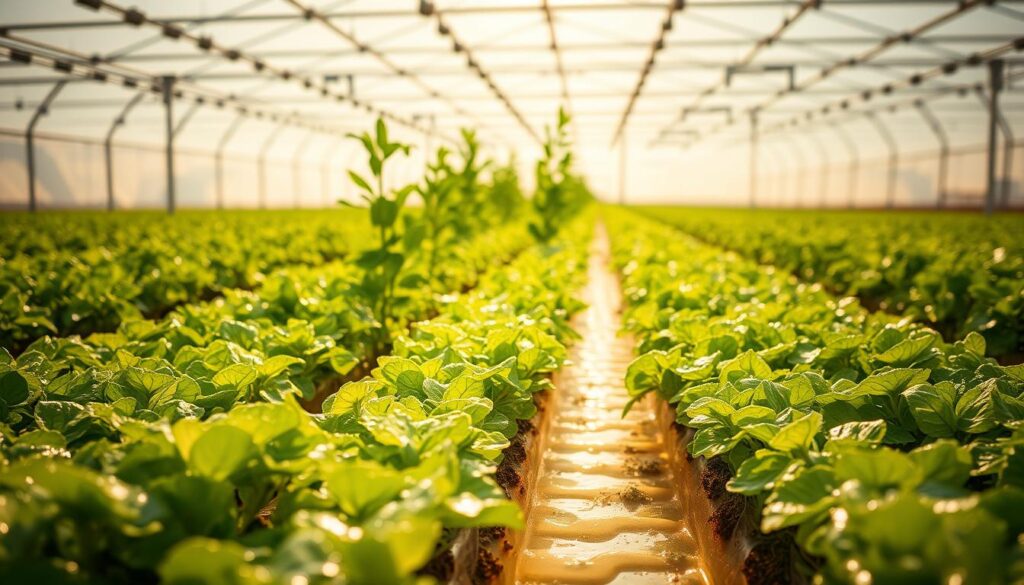
In Pakistani agriculture, water is a big problem. A huge 70% of the country’s water goes to farming, but a lot is lost because of bad irrigation.
Hydrogel has changed how we keep soil moist. It holds water, so we don’t need to water as often. This helps save water.
Key Takeaways
- Hydrogel agriculture improves soil moisture retention.
- Water conservation is achieved through reduced irrigation needs.
- Pakistani agriculture benefits significantly from hydrogel technology.
- Efficient irrigation systems reduce water waste.
- Hydrogel promotes sustainable agricultural practices.
The Water Crisis in Pakistani Agriculture
The water crisis in Pakistani agriculture is complex. It’s caused by climate change, population growth, and bad irrigation systems. We need a big plan to tackle the water scarcity challenges in farming.
Current Water Scarcity Challenges
Pakistan’s farms rely a lot on the Indus River System. But, it’s under a lot of stress from too much water use and bad irrigation. This leads to smaller crops, lower water levels, and saltier soil. The Pakistan Bureau of Statistics says farming uses about 90% of the country’s water.
The table below shows how bad water scarcity is in different parts of Pakistan.
| Region | Water Availability (m3/capita/year) | Water Scarcity Level |
|---|---|---|
| Punjab | 964 | High |
| Sindh | 846 | Very High |
| Khyber Pakhtunkhwa | 1,234 | Moderate |
| Balochistan | 442 | Extremely High |
Places like Balochistan and Sindh have very little water. Punjab and Khyber Pakhtunkhwa also face a lot of water stress.
The Need for Innovative Water Conservation Solutions
We really need innovative water conservation solutions now. Hydrogel agriculture could be a big help. It keeps soil moist and cuts down on water needed for farming.
By using hydrogel, Pakistani farmers can use water better. This helps fight water scarcity and keeps food coming to the country.
Understanding Hydrogels in Agriculture
https://www.youtube.com/watch?v=sMBw3HoSI4M
Hydrogels are a new technology in managing water in farming. They can hold a lot of water, helping crops and saving water.
What Are Hydrogels?
Hydrogels are made of water-loving polymer chains. Agricultural hydrogels help keep soil moist, so you don’t need to water as often.
Types of Agricultural Hydrogels
There are different kinds of hydrogels for farming, including:
- Synthetic hydrogels
- Natural hydrogels
- Semi-synthetic hydrogels
Each type has its own special features and uses.
Physical Properties and Characteristics
Hydrogels have important physical traits for farming. They can soak up a lot of water, last long, and give water to plants when they need it.
History and Development of Agricultural Hydrogels
Hydrogels for farming started being developed decades ago. They were first used for small farms but now help big ones too. Scientists keep making them better for saving water in farming.
More farmers are using hydrogels because they help crops grow and save water. As scientists keep working, we’ll see even better hydrogels for farming.
The Science Behind Hydrogel Technology
Understanding hydrogel technology is key to seeing its benefits in farming. Hydrogels have special properties that help keep soil moist.
Chemical Composition and Structure
Hydrogels are made of hydrophilic polymers linked together. This creates a network that holds a lot of water. They can be synthetic or natural.
Water Absorption and Release Mechanisms
Hydrogels can soak up and release water, which is vital in farming. Their swelling and retention times play a big role in this.
Swelling Capacity and Retention Time
The swelling capacity shows how much water a hydrogel can hold. The retention time is how long it keeps this water. Both are important for keeping soil moist.
Factors Affecting Performance
Many things can change how well hydrogels work. These include the soil type, temperature, and other substances present. Knowing these helps farmers use hydrogels better.
Important factors include:
- Soil pH
- Temperature changes
- Presence of salts or chemicals
By understanding these, farmers can use hydrogels to keep soil moist and save water.
Hydrogel technology is complex, but it’s simple to use in farming. It helps farmers grow more crops and protect the environment.
Hydrogel Agriculture and Soil Moisture Retention Technologies
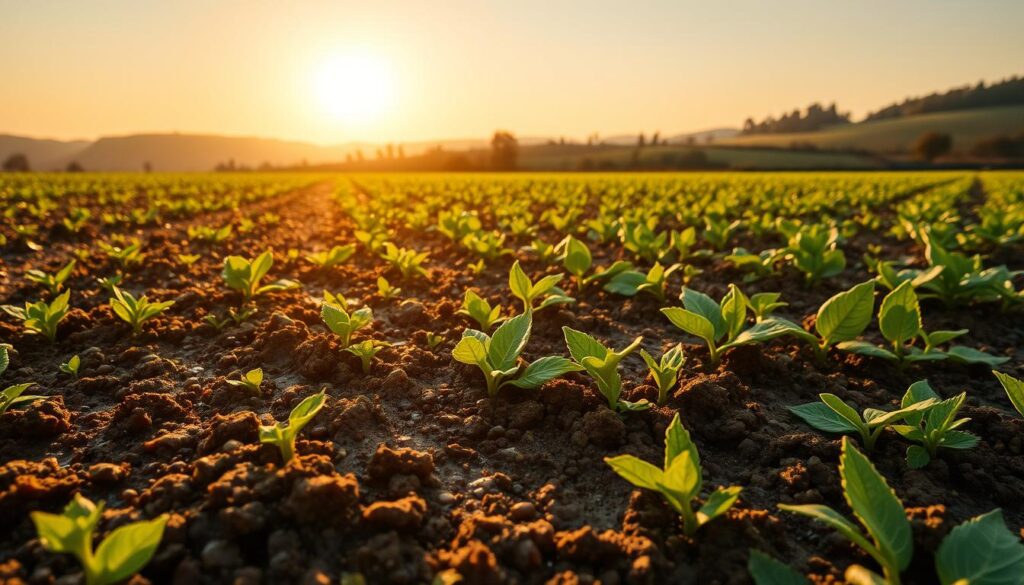
Hydrogel agriculture is changing how we handle soil moisture. It’s a great way to tackle water scarcity for Pakistani farmers. Hydrogels help soil hold more water, cutting down on the need for constant watering.
How Hydrogels Transform Soil Water Dynamics
Hydrogels soak up and store water, then release it when plants need it. This boosts soil’s ability to keep water and improves soil water flow. Hydrogels keep water in the root zone for plants to use during dry times, helping them grow strong and healthy.
Hydrogels make water use more efficient by keeping soil moist longer. This is a big plus in areas where water is scarce.
Comparison with Traditional Soil Amendments
Hydrogels beat traditional soil amendments in many ways. They offer a lasting fix for soil moisture, unlike temporary fixes. Hydrogels improve soil structure and water retention for a long time.
Advantages Over Conventional Methods
Hydrogels in farming have clear benefits over old methods. These include:
- Improved soil moisture retention
- Less need for watering
- Better plant growth and yield
- Long-term soil health boost
Integration with Existing Practices
Hydrogels fit well into current farming ways. They can be added to soil when planting or used as a surface treatment. This makes it easy for farmers to start using hydrogels without changing their methods too much.
By using hydrogels, Pakistani farmers can move towards more sustainable and water-saving farming. This helps their crops and saves water for everyone.
Benefits of Hydrogels for Pakistani Crop Production
Hydrogels are becoming key for better crop production in Pakistan. They help keep soil moist, even when water is scarce. This makes growing crops easier for farmers.
Improved Water Use Efficiency
Hydrogels make water use better in farming. They soak up and hold water for crops. This means farmers need to water less often. This is great in Pakistan, where water is hard to find.
Reduced Irrigation Requirements
Hydrogels keep soil moist, so farmers need to water less. This saves water and cuts down on costs. It makes farming more affordable and sustainable.
Enhanced Nutrient Availability and Reduced Leaching
Hydrogels also help crops get the nutrients they need. They keep nutrients in the soil and release them when crops need them. This means less waste and more efficient use of fertilizers.
“Hydrogels have the potential to revolutionize agriculture by making it more resilient to climate change and water scarcity.”
| Benefits | Description | Impact |
|---|---|---|
| Improved Water Use Efficiency | Hydrogels absorb and retain water for crop use | Reduced water waste and lower irrigation costs |
| Reduced Irrigation Requirements | Less frequent watering needed due to hydrogel moisture retention | Conserved water resources and reduced labor costs |
| Enhanced Nutrient Availability | Hydrogels retain and release nutrients as needed | Increased fertilizer efficiency and reduced environmental impact |
Implementing Hydrogels in Pakistani Agriculture
Pakistan is facing a big challenge with water scarcity. Hydrogel application in agriculture is seen as a key solution. It helps keep soil moist, cuts down on irrigation needs, and makes crops more resilient.
Application Methods and Best Practices
Using hydrogels in Pakistani farming needs the right application methods and practices. Farmers can pick between dry application and hydrogel slurry methods. It depends on their needs and what they have.
Dry Application Techniques
Dry application mixes hydrogel with soil or seed before planting. It works well for crops like wheat and maize. Key benefits include:
- Improved soil water-holding capacity
- Reduced soil erosion
- Enhanced root growth
Hydrogel Slurry Methods
The hydrogel slurry method mixes hydrogel with water to create a gel. This gel is then applied to the soil. It’s good for many crops, including vegetables and fruits. Advantages of this method include:
- Quick water absorption
- Uniform hydrogel distribution
- Ease of application
Suitable Crops and Soil Types in Pakistan
Hydrogels can help many crops and soil types in Pakistan. It’s important to know the specific needs of each area for best results.
Region-Specific Recommendations
Different parts of Pakistan have different soils and climates. For example, Sindh and Balochistan’s sandy soils and low rain make them ideal for hydrogel use. Region-specific recommendations help farmers get the most out of hydrogel technology.
Seasonal Considerations
Seasons also affect how well hydrogels work. Applying them before the monsoon can keep rainwater in the soil. During dry seasons, they can reduce the need for irrigation. Farmers should consider:
- Crop water needs in different seasons
- Soil moisture levels
- Weather forecasts
Case Studies: Hydrogel Success Stories in Pakistan
Hydrogel agriculture has changed the game in Pakistan. It has helped many farming communities. In areas where water is scarce, hydrogels have made a big difference.
Small-Scale Farming Applications
Small farmers in Pakistan have seen big gains from hydrogel technology. Hydrogels help keep soil moist. This means farmers use less water and can grow more crops.
Impact on Rural Livelihoods
Hydrogels have boosted rural incomes. Farmers earn more because their crops grow better and they spend less on water. One farmer said,
“Using hydrogels has been a blessing for us. Our crops are healthier, and we’ve seen a significant reduction in water usage.”
Yield Improvements in Water-Stressed Areas
In dry areas, hydrogels have greatly increased crop yields. For example, a study found wheat yields went up by 25% with hydrogels. This is key for food security in areas that depend a lot on farming.
Commercial Agriculture Implementation
Big farms in Pakistan have also seen big benefits from hydrogels. They use water more efficiently and save on irrigation costs. This makes them more profitable.
Success stories from small and big farms show hydrogel’s value in Pakistan’s farming world.
Economic Analysis of Hydrogel Adoption

In Pakistan, water scarcity is a big problem. Hydrogels could help by making water use more efficient. But, we need to look closely at their economic effects.
Cost-Benefit Considerations
Starting with hydrogels costs a lot at first. But, the long-term gains are often worth it. These gains include using less water, growing more crops, and needing to water less often. It’s important to do a thorough cost-benefit study to see how hydrogels affect your wallet.
| Cost/Benefit Factor | Without Hydrogels | With Hydrogels |
|---|---|---|
| Initial Investment | $0 | $100/ha |
| Water Consumption | 1000 m³/ha | 800 m³/ha |
| Crop Yield | 5 tons/ha | 6 tons/ha |
Return on Investment for Pakistani Farmers
Using hydrogels can really pay off, especially in areas where water is scarce. They help keep water in the soil longer, saving money on irrigation.
Short-term vs. Long-term Economic Benefits
At first, farmers might spend more on hydrogels. But, over time, they can save a lot of money. This is because they use less water and grow more crops.
Scaling Economics: Small vs. Large Farms
Small and big farms see different benefits from hydrogels. Big farms might save more money because they use more hydrogels. But, even small farms can benefit from better water use and stronger crops.
Combining Hydrogels with Other Agricultural Technologies
Hydrogels are changing farming in Pakistan. They work well with modern farming methods. This combo boosts crop yields and cuts down water use.
Integration with Drip Irrigation Systems
Hydrogels pair well with drip irrigation. This setup delivers precise water to plant roots. It cuts down on water lost to evaporation and runoff.
Hydrogels soak up and hold water. They release it when crops need it. This makes water use more efficient.
A table shows how drip irrigation changes with hydrogels:
| Feature | Drip Irrigation without Hydrogels | Drip Irrigation with Hydrogels |
|---|---|---|
| Water Use Efficiency | 60% | 85% |
| Crop Yield Increase | 20% | 40% |
| Irrigation Frequency | Daily | Every 3 days |
Hydrogels and Organic Farming Practices
Hydrogels are great for organic farming too. They help keep soil moist. This boosts the health and growth of organic crops.
Using hydrogels in organic farming saves water. It also cuts down on the need for synthetic fertilizers and extra irrigation. This makes hydrogels a key tool for organic farming.
Conclusion: The Future of Hydrogels in Pakistani Agriculture
Hydrogels are changing Pakistani agriculture for the better. They help solve water scarcity and boost crop growth. This technology lets farmers manage soil moisture better, use less water, and make nutrients more available.
Hydrogels are set to make a big impact in Pakistani farming. Both small farmers and big operations can gain from this new tech. It helps farmers use water wisely, save money, and grow more crops. This growth is good for Pakistani agriculture as a whole.
As farming evolves, hydrogels will play a key role. More research will make hydrogels even better. This will lead to a greener and more productive farming future in Pakistan.