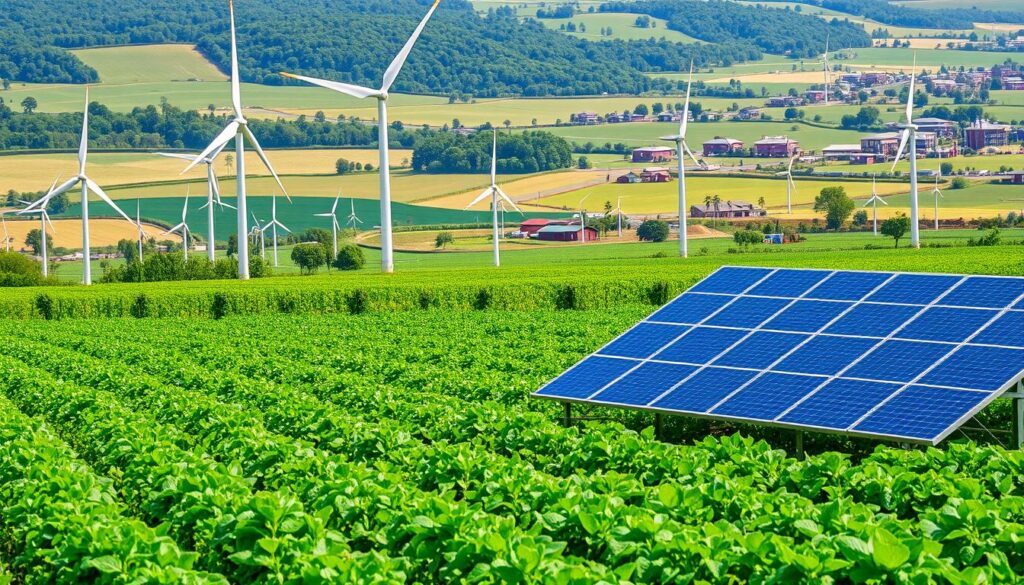
Can sustainable farming practices lead to a greener future? The world faces climate change, and farming must cut its carbon output.
Sustainable agriculture is more than a trend; it’s essential. By using renewable energy sources, farmers can cut down on fossil fuel use. This lowers costs and helps the environment.
The move to sustainable farms is growing worldwide, including in Pakistan. New farming methods are being used to ensure a greener future.
Key Takeaways
- Renewable energy can greatly reduce farming’s carbon footprint.
- Sustainable farming cuts costs for farmers.
- Using renewable energy makes the environment cleaner.
- Sustainable agriculture is key for food security and the planet.
- New farming methods are being adopted globally, including in Pakistan.
The Current Energy Landscape in Pakistani Agriculture
Pakistani farmers are facing high costs and environmental damage from traditional energy. They need renewable energy systems to solve these problems. Agriculture is a big part of Pakistan’s economy but has many energy challenges.
Using fossil fuels for irrigation and farm work is expensive and harms the environment. As agriculture grows, finding affordable and green energy is more urgent.
Energy Challenges Facing Pakistani Farmers
Pakistani farmers deal with high energy costs, unreliable power, and limited access to new energy tech. The cost of diesel for irrigation pumps is a big problem for farmers’ profits.
Energy challenges also come from a lack of infrastructure and skills. This makes it hard for farmers to use better energy solutions.
Environmental Impact of Traditional Energy Sources
Traditional energy in Pakistani agriculture harms the environment a lot. It leads to greenhouse gas emissions and pollution. Diesel generators and other fossil fuel equipment pollute the air, hurting health and the environment.
Also, getting and moving fossil fuels can damage the environment. It can pollute water and destroy habitats. Switching to renewable energy systems can help make farming more sustainable.
Renewable Energy in Agriculture: A Paradigm Shift
The agricultural industry is on the verge of a big change. This change comes from using renewable energy sources. It’s not just about changing energy types. It’s about making farming better, more sustainable, and kinder to the environment.
Definition and Types of Renewable Energy Systems for Farms
Farms are using new technologies to tap into natural resources like sunlight, wind, and biomass. Solar energy systems are very popular. They power irrigation, lighting, and farm equipment. Wind energy is also a hit, especially where wind is strong, offering clean power for farming needs.
Biogas and biomass energy systems are becoming more common too. They turn farm waste into energy. This helps reduce waste and gives farmers a valuable resource.
| Type of Renewable Energy | Application in Farming | Benefits |
|---|---|---|
| Solar Energy | Irrigation, Lighting, Machinery | Reduces electricity bills, decreases reliance on fossil fuels |
| Wind Energy | Power generation for farm operations | Clean source of energy, reduces carbon footprint |
| Biogas/Biomass Energy | Converting farm waste to energy | Reduces waste, provides additional income stream |
The Growing Importance of Clean Energy in Pakistani Farming
Pakistan’s farming is key to its economy. Switching to clean energy can make a big difference. It can lower costs, improve energy security, and help the environment.
Using clean energy also gives farmers a chance to make money by selling extra energy. This makes their farms more stable financially.
As farming evolves, renewable energy will be key to its future. Pakistani farmers can make their farms more sustainable and prosperous by using clean energy.
Solar Power Applications in Pakistani Farming
Solar power is becoming more popular in Pakistani farming. It makes farming more efficient and helps the environment. As farming grows, solar power is key to better farming and more food.
Solar Irrigation Systems
Solar irrigation systems are getting more attention from Pakistani farmers. They use solar panels to power pumps. This cuts down on the need for diesel or electricity.
- Cost savings: Lower energy costs mean more money saved.
- Increased crop yield: On-time watering means better crops.
- Environmental benefits: It’s better for the planet because it’s clean energy.
Solar-Powered Farm Equipment and Machinery
Solar power is also used for farm equipment and machinery. This includes:
- Solar-powered threshers and harvesters.
- Solar-powered grain dryers.
- Solar-powered farm lighting systems.
These new tools make farming more efficient. They also help reduce the use of fossil fuels.
Solar Drying and Processing Facilities
Solar drying and processing facilities are another big use of solar power in farming. They use the sun to dry crops. This helps keep the crops fresh and reduces waste.
The benefits of solar drying are:
- Preservation of nutritional value: It keeps the nutrients in the crops.
- Extended shelf life: Drying properly means crops last longer.
- Reduced energy costs: Solar energy is cheaper than other sources.
By using solar power, Pakistani farmers can grow more food. They can also save money and help the environment.
Wind Energy Solutions for Agricultural Operations
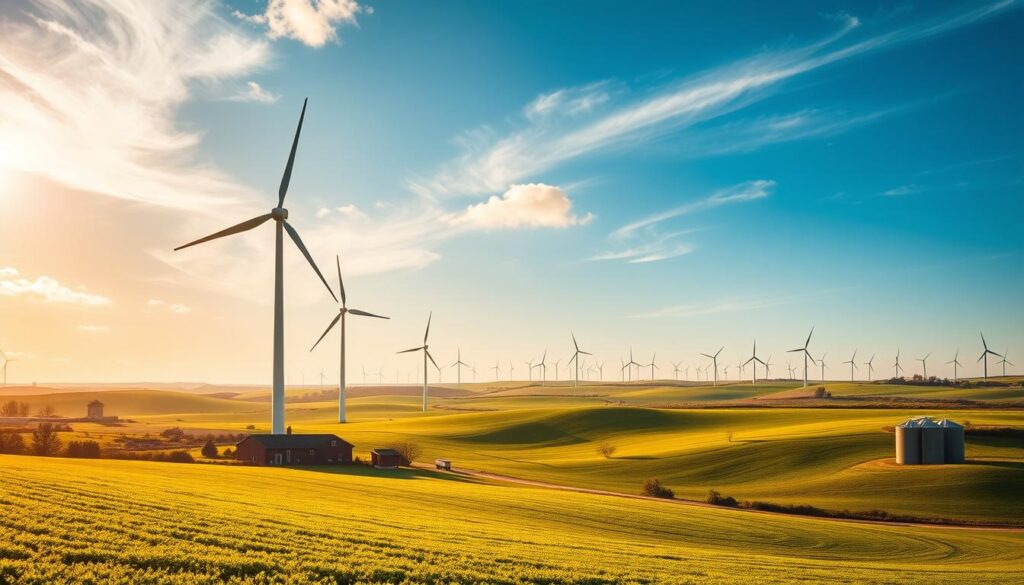
Wind energy is becoming popular in Pakistani farming. It’s a cleaner way to meet farming needs. As farming grows in Pakistan, using wind power is key.
Wind energy helps farms use less fossil fuel. This cuts costs and harms the environment less. It’s great for irrigation and running farm tools.
Small-Scale Wind Turbines for Farms
Small wind turbines fit well in Pakistani farms. They give a steady energy source. They power irrigation and farm tools.
These turbines save money on energy, make farms more independent, and are better for the planet. Farmers get help from the government for using green energy.
Wind-Powered Water Pumping Systems
Wind-powered pumps are good for farms too. They help with irrigation and water for animals. This cuts down on diesel use.
These pumps are cheaper to run and better for the environment. They’re easy to set up and keep running. This makes them a smart choice for many farmers.
Biogas and Biomass: Converting Farm Waste to Energy
Pakistan’s farm waste can be turned into energy using biogas and biomass. This method cuts down on waste and makes clean energy. It also supports sustainable farming.
Biogas comes from breaking down organic stuff like animal waste and crop leftovers. It’s a green energy source for heating, cooking, and power.
Biogas Digesters for Pakistani Livestock Farms
Biogas digesters are great for farms with animals. They turn animal waste into energy. This brings many benefits, like:
- Less waste means less pollution
- Biogas for energy
- Fertilizer made from waste
For Pakistani farmers, using biogas digesters can save money on energy and fertilizers. It makes their farms more profitable.
Biomass Conversion Technologies for Crop Residues
Crop leftovers like straw and husk can be turned into energy. There are ways like combustion, gasification, and pyrolysis. Each method has its own way to make energy.
Combustion burns biomass for heat or power. Gasification makes a gas from biomass for power. Pyrolysis makes bio-oil, a fuel.
Using these techs, Pakistani farmers can better handle crop leftovers. They can also earn more by selling energy.
In short, biogas and biomass are key for turning farm waste into energy in Pakistan. They help farmers reduce waste and boost their income.
Economic Benefits and Financial Considerations
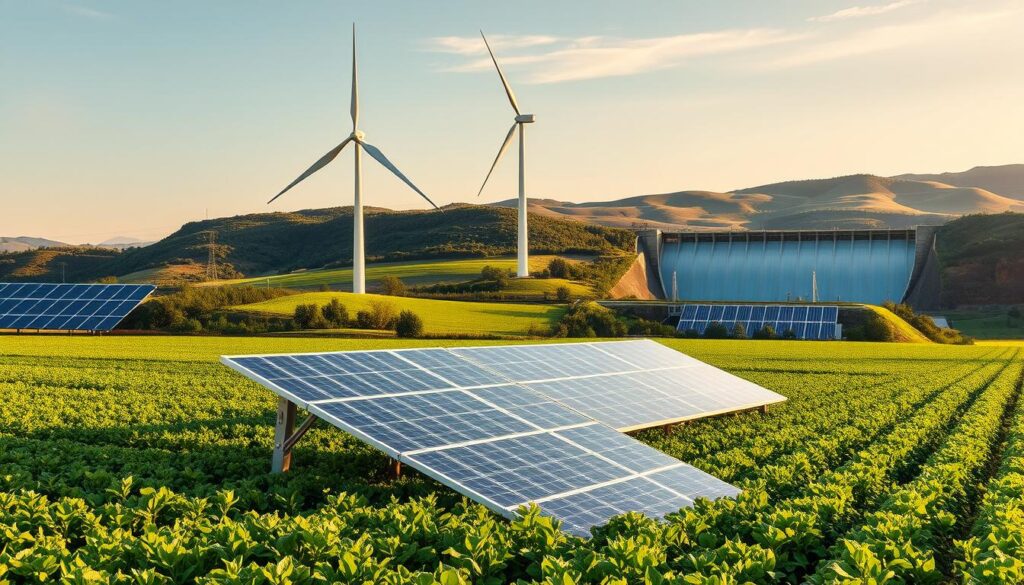
The move to renewable energy in farming is a smart money move for farmers globally. In Pakistan, where farming is big, using renewable energy can really pay off.
Cost Savings and Return on Investment Analysis
Renewable energy in farming means big cost savings. Farmers can use solar or wind power instead of pricey fossil fuels. This cuts down on costs. For example, solar irrigation can save a lot on fuel costs over time.
At first, renewable energy systems cost a lot. But, the long-term savings and better farm productivity make them worth it. In Pakistan, farmers can save on energy and grow more crops thanks to reliable irrigation.
Access to Government Subsidies and Incentives in Pakistan
The Pakistani government offers incentives for renewable energy in farming. There are subsidies for solar irrigation and other green tech. These help lower the cost of switching to renewable energy.
Farmers can also get help from government programs for green farming. Using these incentives, farmers help the planet and their wallets.
Financing Options for Renewable Energy Projects
For many farmers, the cost of renewable energy systems is a big hurdle. But, there are financing options to help. Banks in Pakistan now offer loans and leases for green projects.
Farmers can look into these financing options to pay for renewable energy systems. With the chance to save money and grow more, going green is a smart financial move.
Overcoming Barriers to Adoption in Pakistan
The use of renewable energy in Pakistani farming faces many hurdles. These obstacles must be overcome for sustainable farming to grow. The benefits of renewable energy are clear, but the journey is not easy.
Technical Challenges and Solutions
One big technical issue is making renewable energy work with current farm setups. Many Pakistani farms don’t have the right setup for new energy tech. Fixing this includes updating old systems and using hybrid tech that works with traditional energy. For example, solar irrigation can help by working with diesel pumps, making it easier for farmers to switch.
Knowledge Gaps and Training Opportunities
Farmers in Pakistan often don’t know much about renewable energy. Training and workshops can help by teaching them how to use and maintain these systems. Also, showing how renewable energy works in farming through demos can inspire more farmers to use it.
Policy and Infrastructure Limitations
Policy and infrastructure issues also slow down renewable energy adoption. It’s key to make policies more supportive of renewable energy in farming. Also, building better infrastructure like grid connections and energy storage can help make renewable energy more reliable for farmers.
By tackling these challenges with tech solutions, education, and policy help, Pakistan can move faster towards using renewable energy in farming. This will lead to more sustainable farming methods.
Implementation Strategies for Pakistani Farmers
Pakistani farmers need to use renewable energy strategies for sustainability. This starts with knowing the farm’s energy needs and resources.
Assessing Farm Energy Needs and Resources
Farmers should first figure out their energy needs. This includes power for irrigation, machinery, and other farm tasks.
Knowing this helps pick the right renewable energy system size and type. They should also look at their resources like sunlight, wind, and organic waste. This helps choose the best renewable energy technologies.
Selecting Appropriate Renewable Technologies
The right renewable energy technology depends on the farm’s needs and resources.
Solar power is good for sunny areas, while wind energy works in windy places. Biogas digesters can turn organic waste into energy, offering a steady power source.
Installation Best Practices
Installing renewable energy systems right is key. Farmers should hire skilled technicians for safe and proper setup.
Maintenance and Troubleshooting Guidelines
Keeping systems in good shape is vital. Farmers need to learn basic upkeep, like cleaning solar panels and checking system health.
Guides for fixing common problems should also be available. This helps farmers solve issues quickly.
Conclusion: The Future of Sustainable Farming in Pakistan
Pakistan’s farming is set for big changes with renewable energy. Solar, wind, and biogas can cut down on costs and help farms grow greener. This move towards Sustainable Agriculture is a big step forward.
Renewable energy in farming will change Pakistan’s agriculture for the better. It will make farming more efficient, protect the environment, and increase crop yields. This is especially important as Pakistan deals with energy problems.
To make this vision real, we need to tackle the challenges. Training farmers and supporting them financially and with policies is key. This way, Pakistan’s farms can become more sustainable and help the country grow stronger and greener.