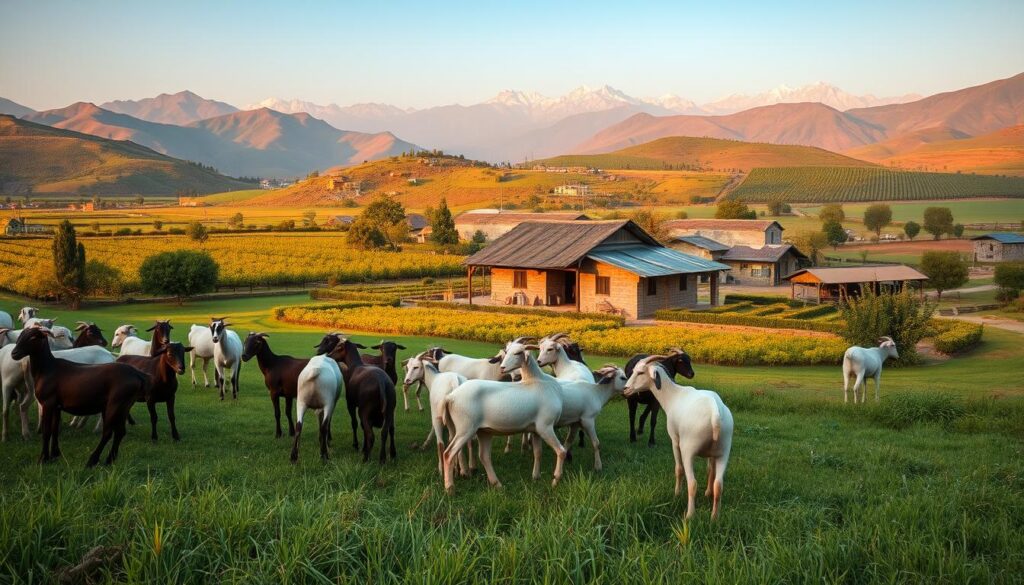
Can investing in Pakistan livestock be the key to unlocking a lucrative business venture? With the demand for goat products on the rise, both domestically and internationally, the prospect of goat farming as a profitable business is becoming increasingly appealing.
Entrepreneurs in Pakistan are now exploring the potential of goat farming to capitalize on the growing market for goat meat, milk, and other related products. But what makes this venture so promising, and what are the essential factors to consider for success?
Key Takeaways
- Goat farming is an emerging sector in Pakistan with significant growth potential.
- The demand for goat products is increasing both locally and globally.
- Initial investment and market analysis are crucial for a successful goat farming business.
- Understanding the local livestock market is key to capitalizing on opportunities.
- Goat farming can contribute to the local economy and provide employment opportunities.
The Potential of Goat Farming in Pakistan
The livestock industry, particularly goat farming, is a substantial contributor to Pakistan’s agricultural economy. With a diverse climate ranging from tropical to temperate, Pakistan offers a conducive environment for various goat breeds, making it an ideal location for goat farming.
Current State of Livestock Industry in Pakistan
Pakistan’s livestock industry is a significant sector that contributes to the national GDP. It provides livelihood to a large portion of the rural population. The industry encompasses various livestock, including goats, cattle, sheep, and poultry.
Why Goat Farming is Ideal for Pakistani Climate
The climate in Pakistan varies greatly across different regions, allowing for a diverse range of goat breeds to thrive. Goats are hardy animals that can adapt to different environmental conditions, making them suitable for farming in various parts of the country.
Economic Significance of Goat Products
Goat products, including meat, milk, and hides, have substantial economic value. The demand for these products is not only high in domestic markets but also in international markets, providing export opportunities for farmers.
| Product | Domestic Use | Export Potential |
|---|---|---|
| Goat Meat | High demand during Eid-al-Adha | Significant export to Middle Eastern countries |
| Goat Milk | Used for dairy products | Growing demand in global dairy markets |
| Goat Hides | Used in local leather industry | Exported for high-quality leather goods |
Understanding the current state of the livestock industry, the adaptability of goats to the Pakistani climate, and the economic significance of goat products is crucial for entrepreneurs and farmers looking to invest in goat farming.
Market Analysis and Demand for Goat Products
The demand for goat products in Pakistan is on the rise, driven by both domestic consumption and export opportunities. To capitalize on this trend, entrepreneurs need to understand the dynamics of the market.
Domestic Market Demand
The domestic demand for goat products, particularly meat, is significant in Pakistan. Goat meat, also known as mutton, is a staple in many Pakistani households, especially during special occasions and festivals. The demand is further boosted by the growing population and increasing consumer preference for goat meat due to its nutritional value.
- Increasing population and urbanization
- Rising income levels and consumer spending
- Cultural and religious significance of goat meat
Export Opportunities
Pakistan has a significant opportunity to export goat products to countries in the Middle East and Africa, where there is a high demand for halal meat. Exporting goat products can be a lucrative venture, provided that farmers and exporters comply with international quality and sanitary standards.
- Compliance with international halal standards
- Quality control and assurance
- Establishing trade relationships with importing countries
Seasonal Demand Fluctuations
The demand for goat products can fluctuate seasonally, with peaks during certain religious and cultural events. For instance, the demand for goats increases significantly during Eid-al-Adha. Understanding these fluctuations is crucial for farmers to plan their production and marketing strategies effectively.
Price Trends in Pakistani Markets
Price trends for goat products in Pakistan can vary based on factors such as supply and demand, seasonality, and market conditions. Farmers and traders need to stay informed about these trends to make informed decisions about their business.
- Monitoring market prices regularly
- Adjusting production and sales strategies according to price trends
- Diversifying products to mitigate risks associated with price fluctuations
Initial Investment Requirements
Understanding the initial investment requirements is crucial for anyone looking to start a goat farming business in Pakistan. The initial investment encompasses various costs, including land and infrastructure development, acquiring livestock, purchasing necessary equipment and tools, and meeting operating capital needs.
Land and Infrastructure Costs
The cost of land and infrastructure is a significant component of the initial investment. The price of land varies greatly depending on the location, with areas closer to urban centers or with better infrastructure typically being more expensive. Infrastructure costs include setting up fencing, shelters, and feeding facilities. It’s essential to ensure that the land is suitable for goat farming, with adequate grazing land and proper drainage.
Livestock Acquisition
Acquiring the right livestock is critical for the success of the goat farming business. The cost of goats varies based on breed, age, and quality. It’s advisable to start with healthy, high-quality animals to ensure a strong foundation for the farm. The initial purchase of livestock can be a substantial part of the initial investment.
Equipment and Tools
The necessary equipment and tools for goat farming include feeding troughs, watering systems, fencing materials, and veterinary equipment. The quality and cost of these items can vary, but investing in durable, well-made equipment can reduce long-term costs and improve efficiency.
Operating Capital Needs
Operating capital is required to cover ongoing expenses such as feed, veterinary care, and labor. Having sufficient operating capital ensures that the farm can operate smoothly without financial strain. It’s crucial to budget for these expenses to avoid cash flow problems.
Financing Options in Pakistan
Several financing options are available in Pakistan for entrepreneurs looking to start or expand a goat farming business. These include loans from agricultural banks, subsidies from government programs, and potential investments from private investors. Understanding these options and their requirements can help in planning the initial investment.
| Cost Component | Estimated Cost (PKR) | Percentage of Total Investment |
|---|---|---|
| Land and Infrastructure | 500,000 | 40% |
| Livestock Acquisition | 300,000 | 24% |
| Equipment and Tools | 150,000 | 12% |
| Operating Capital | 200,000 | 16% |
| Miscellaneous | 100,000 | 8% |
| Total | 1,250,000 | 100% |
In conclusion, the initial investment for goat farming in Pakistan involves several key components, each requiring careful planning and budgeting. By understanding these costs and exploring available financing options, entrepreneurs can set up a successful and sustainable goat farming business.
Selecting the Right Goat Breeds for Pakistan
The success of goat farming ventures in Pakistan is significantly influenced by the choice of goat breed. With various breeds available, each with its unique characteristics, farmers must make informed decisions to maximize their returns.
Popular Indigenous Breeds
Pakistan is home to several indigenous goat breeds that are well adapted to the local climate and market demands. Some of the most popular breeds include:
Beetal
The Beetal breed is renowned for its high milk production and is often used in dairy farming. Its adaptability to various environments makes it a favorite among Pakistani farmers.
Kamori
Kamori goats are prized for their meat production and are known for their rapid growth rate. They are particularly suited to the climatic conditions found in parts of Pakistan.
Teddy
Teddy goats are small in size but are prolific breeders. They are well suited to small-scale farming operations and are known for their hardiness.
Imported Breeds with Good Adaptation
In addition to indigenous breeds, some imported breeds have shown good adaptation to Pakistani conditions. These include breeds like the Boer goat, known for its meat production capabilities.
According to a study on goat farming in Pakistan, “The introduction of exotic breeds like the Boer goat has shown promising results in terms of improving meat production.”
“Exotic breeds can enhance the productivity of goat farms, but careful consideration must be given to their adaptability to local conditions.”
Breed Selection Based on Business Goals
When selecting a goat breed, farmers should consider their business goals. Whether the focus is on milk production, meat production, or breeding stock, the right breed can significantly impact profitability.
| Breed | Primary Use | Characteristics |
|---|---|---|
| Beetal | Milk Production | High milk yield, adaptable |
| Kamori | Meat Production | Rapid growth rate, good meat quality |
| Teddy | Breeding Stock | Prolific breeder, hardy |
By carefully selecting the right breed based on specific business needs, farmers can enhance the productivity and profitability of their goat farming operations.
Goat Farming as a Profitable Business: Setup and Management
Proper setup and management are essential for turning goat farming into a profitable venture. A well-planned farm setup lays the foundation for a successful business, while effective management practices ensure its long-term sustainability.
Farm Layout and Housing Requirements
The layout of a goat farm is critical for the health and productivity of the animals. Efficient farm design includes adequate housing that protects goats from extreme weather conditions and predators. The housing area should be well-ventilated, clean, and spacious enough to accommodate the herd comfortably.
A typical goat housing system includes separate areas for kidding, feeding, and milking. Ensuring that these areas are designed with the goats’ comfort and safety in mind can significantly improve overall farm productivity.
Herd Management Practices
Effective herd management is crucial for maintaining the health and productivity of goats. This includes regular monitoring of the herd’s health, implementing a systematic breeding program, and ensuring proper nutrition.
Regular health checks help in early detection of diseases, allowing for timely intervention. A well-planned breeding program can improve the genetic quality of the herd, leading to better productivity and profitability.
Record Keeping and Business Administration
Accurate record keeping is vital for the successful administration of a goat farm. Maintaining detailed records of breeding, health issues, feeding practices, and financial transactions helps in making informed decisions.
Effective business administration involves not only managing the day-to-day operations but also planning for the future. This includes setting financial goals, monitoring expenses, and identifying opportunities for growth.
Labor Requirements and Management
Managing a goat farm requires skilled and dedicated labor. Labor management involves hiring the right personnel, providing them with necessary training, and ensuring that they are motivated to perform their tasks efficiently.
Adequate labor is crucial for handling various farm tasks such as feeding, milking, and health care. Proper training and management of labor can significantly impact the overall productivity and profitability of the farm.
Feeding and Nutrition Management
Nutrition plays a vital role in the overall health and profitability of goat farming operations. Effective feeding management ensures that goats receive the necessary nutrients for optimal growth, reproduction, and milk production.
Optimal Feed Formulations
Developing optimal feed formulations is critical for meeting the nutritional needs of goats. This involves understanding the nutritional requirements at different stages of a goat’s life cycle and formulating feed accordingly. High-quality feed should contain the right balance of proteins, carbohydrates, vitamins, and minerals.
Grazing vs. Stall Feeding
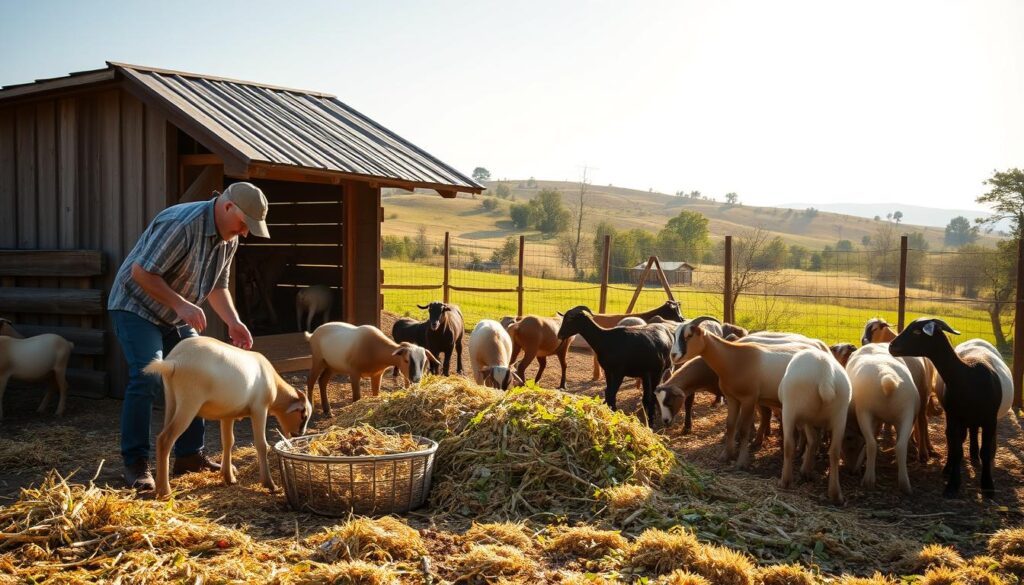
The decision between grazing and stall feeding depends on several factors, including the availability of grazing land, cost of feed, and management practices. Grazing allows goats to roam freely and feed on natural vegetation, while stall feeding provides more control over the nutritional intake.
Seasonal Feeding Adjustments
Seasonal changes can significantly impact the nutritional needs of goats. For instance, during periods of drought or extreme cold, goats may require additional nutritional supplements to maintain their health. Adjusting feeding strategies according to seasonal variations is crucial.
Water Requirements
Adequate water supply is essential for the health and productivity of goats. Ensuring access to clean, fresh water at all times is a fundamental aspect of feeding management. Water requirements can vary based on factors such as climate, size, and stage of production.
Cost-Effective Feeding Strategies
Implementing cost-effective feeding strategies is vital for maintaining the profitability of goat farming operations. This can involve practices such as growing feed crops on the farm, using locally available feed ingredients, and optimizing feed conversion ratios.
By focusing on these aspects of feeding and nutrition management, goat farmers can improve the health and productivity of their animals, ultimately enhancing the profitability of their operations.
Health Management and Disease Prevention
Maintaining a healthy goat herd requires a comprehensive approach to health management. This involves understanding common diseases, implementing effective vaccination schedules, controlling parasites, ensuring proper veterinary care, and enforcing biosecurity measures.
Common Diseases in Pakistani Goat Farms
Goat farms in Pakistan are susceptible to various diseases, including PPR (Peste des Petits Ruminants), foot-and-mouth disease, and internal parasites. Understanding these diseases is the first step in preventing outbreaks.
Vaccination Schedules
Developing a vaccination schedule is crucial for preventing diseases. For instance, PPR vaccination is essential for goats in Pakistan. Farmers should consult with veterinarians to create a schedule tailored to their farm’s needs.
Parasite Control
Internal parasites can significantly impact goat health. Effective parasite control involves a combination of grazing management, strategic deworming, and monitoring.
Veterinary Care and Resources
Access to veterinary care is vital for maintaining goat health. Farmers should establish a relationship with a local veterinarian and have a plan for emergency care.
Biosecurity Measures
Implementing biosecurity measures is critical to prevent the introduction and spread of diseases. This includes controlling visitor access, using proper sanitation, and monitoring animal health closely.
| Biosecurity Measure | Description | Benefit |
|---|---|---|
| Visitor Control | Limiting farm access to essential personnel | Reduces disease introduction risk |
| Sanitation Practices | Regular cleaning and disinfection of equipment and facilities | Minimizes disease spread |
| Health Monitoring | Regular observation of goat health | Early detection of diseases |
Overcoming Challenges in Goat Farming
Pakistani goat farmers encounter various obstacles, but these can be overcome with proper planning and support. Goat farming, like any agricultural venture, comes with its set of challenges that can impact profitability and sustainability.
Common Obstacles for Pakistani Farmers
Farmers in Pakistan often face challenges such as limited access to quality breeding stock, inadequate veterinary care, and insufficient knowledge about modern farming practices. Improving breed quality and adopting best practices in herd management can significantly enhance productivity.
| Challenge | Impact | Potential Solution |
|---|---|---|
| Limited Access to Quality Breeding Stock | Low Productivity | Import Quality Breeds |
| Inadequate Veterinary Care | High Disease Incidence | Regular Vaccination Programs |
| Insufficient Knowledge | Poor Management Practices | Training and Workshops |
Government Support Programs and Subsidies
The Pakistani government offers various support programs and subsidies to promote livestock farming, including goat farming. These initiatives can help farmers access financing, training, and resources needed to overcome some of the common challenges.
Dealing with Market Fluctuations
Market fluctuations can significantly affect the profitability of goat farming. Farmers can mitigate this by diversifying their products and exploring export opportunities. Understanding market trends and adjusting production accordingly can also help.
Climate-Related Challenges
Climate change poses a significant threat to goat farming, with changing weather patterns affecting feed availability and disease prevalence. Implementing climate-resilient practices, such as improving feed storage and adopting drought-resistant feed crops, can help farmers adapt.
By understanding these challenges and leveraging available support, Pakistani goat farmers can build a more resilient and profitable business.
Conclusion: Turning Goat Farming into a Sustainable Business
Goat farming presents a lucrative opportunity for entrepreneurs in Pakistan, offering a profitable business venture that can contribute to the country’s economy. By understanding the potential of goat farming, conducting thorough market analysis, and implementing effective farm management practices, farmers can establish a successful and sustainable business.
The right strategies, including selecting suitable breeds, managing feeding and nutrition, and maintaining health and disease prevention, are crucial for ensuring the profitability of goat farming. With government support programs and subsidies available, farmers can overcome common challenges and capitalize on the growing demand for goat products.
By adopting sustainable practices and staying informed about market trends, goat farmers in Pakistan can turn their businesses into thriving enterprises, generating significant income and contributing to the country’s agricultural sector.